

“Stop leaving your health to chance by waiting for the healthcare system to alert you only when something is already wrong. In 2026, relying on reactive, symptom-triggered checkups is a risk that elite performers refuse to accept. It is time to shift from passive observation to active mastery of your biological destiny. For those prioritizing longevity, accessing private cancer screening within the UK provides the necessary diagnostic edge. This guide cuts through the noise, helping you determine if proactive clinical monitoring belongs in your personal health protocol.”
 Why Consider Private Cancer Screening in the UK?
 Why Consider Private Cancer Screening in the UK?
Modern healthcare thrives on the idea that spotting issues early is key. By choosing private cancer screening in the UK, you bypass the typical referral delays, gaining immediate access to the diagnostics you need for true peace of mind.
- Timely Assessment: Private facilities provide a direct line to imaging and diagnostic consultations, which is often the decisive factor in early outcomes.
- Informed Decision Making: These screenings provide a wealth of data, helping you and your clinician make informed, evidence-based choices about your lifestyle.
- Advanced Technology: Private centres invest in high-resolution, latest-generation imaging equipment that provides unparalleled clarity.
- Peace of Mind: For those managing specific health anxiety or concerns, clear diagnostic results offer genuine, tangible reassurance.
Note: “Think of screening as an early warning system rather than a guaranteed protective shield; it helps us spot potential health markers early, not prevent every future illness.”
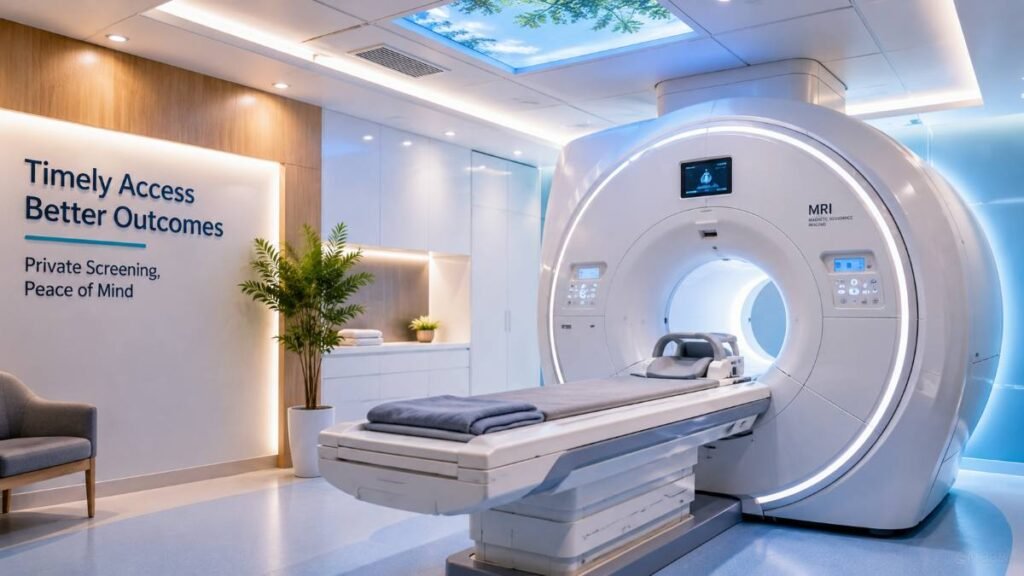
Comparison: NHS vs. Private Cancer Screening in the UK
 Comparison: NHS vs. Private Cancer Screening in the UK
Understanding the structural differences between public and private systems is essential for any UK resident. While the NHS provides world-class emergency and acute care, it operates under national protocols for screening. Private screening, conversely, offers a bespoke, high-touch experience tailored to your unique history.
Features | NHS Screening | Private Screening |
Access | GP Referral / National Program | Direct Self-Referral |
Waiting Time | Subject to NHS RTT Standards | Usually Immediate/Rapid |
Cost | Publicly Funded | Private Fees |
Focus | Population-based Protocols | Individualized Wellness Goals |
Technology | Standardized NHS Equipment | Wide range of Private Specs |
The primary distinction is that NHS screening is strictly evidence-based for the general population, whereas private screening allows you to build a proactive ‘health audit’ strategy suited to your personal life and risk factors.
Identifying the Right Candidates for Private Cancer Screening in the UK
 Identifying the Right Candidates for Private Cancer Screening in the UK
“Choosing to go ahead with private screening is a significant decision that deserves careful thought.” Because it’s a serious investment, it’s best treated as a targeted strategy based on your individual risk profile, rather than a universal check-up for everyone.
- Family History: If you have a documented history of specific cancers in first-degree relatives, the standard population guidelines may not capture your specific needs.
- Age-Related Risks: As we cross the threshold into our 40s and 50s, the statistical risk for certain malignancies increases; screening becomes a vital part of a tailored health plan.
- Lifestyle Factors: Individuals with long-term exposure to certain environmental or lifestyle-related risks may seek more frequent, detailed monitoring.
- Executive Wellness: Busy professionals often use these programmes to maintain a baseline, ensuring that their ‘human capital’ is protected against unforeseen setbacks.
Always consult your GP to discuss if a specific screening test is clinically indicated for your age, history, and medical background.

Types of Tests Included in Private Cancer Screening in the UK
 Types of Tests Included in Private Cancer Screening in the UK
A high-quality private cancer screening in the UK programme is an integrated diagnostic ecosystem. Modern clinics often combine advanced imaging with sophisticated lab-based testing:
- Whole-Body MRI: Used for scanning various organ systems to identify anomalies or suspicious nodules at their inception.
- Blood Biomarkers: Testing for specific protein markers (like PSA for prostate) or general inflammatory indicators that signal physiological changes.
- Dermatological Mapping: AI-enhanced tracking of skin moles for the slightest structural change, often using specialized imaging.
- Diagnostic Imaging: Specialized ultrasounds, mammography, or bone density scans focused on specific areas of clinical interest.
Always ensure your chosen clinic integrates these tools with professional clinical oversight, as a report is only as valuable as the medical interpretation provided by a qualified radiologist or oncologist. Many people choose to run a private blood profile in the UK to establish a personal health baseline for long-term tracking.
“For a truly proactive health audit, monitoring your daily vitals is just as important as formal screening. I recommend the Polar T34 Transmitter HR Chest Strap. It provides clinical-grade heart rate data that helps you and your physician track your physiological baseline over time.”
Understanding the Investment in Private Cancer Screening in the UK
 Understanding the Investment in Private Cancer Screening in the UK
When committing to private cancer screening in the UK, consider the “total cost of ownership” rather than just the initial price. True health management is a roadmap, not a snapshot. You must budget for potential secondary consultations or follow-up imaging if findings require verification. Many patients mistake screening for an isolated event, missing the real value found in ongoing continuity of care.
Targeted Screenings: £300 – £800 (organ-specific assessments).
Comprehensive Assessments: £1,500 – £4,000 (MRI, advanced labs, and genetic screening).
Insurance Offsetting: Check if your Private health insurance for UK freelancers or corporate wellness scheme covers these diagnostics.
Proactive Buffer: Keep a modest emergency fund ready for any necessary private specialist reviews.
View this as a strategic investment in your biological data. This clarity helps manage your long-term health span, potentially avoiding greater emotional and financial burdens later. Maintaining high-quality diagnostic records ensures your strategy remains proactive—the true cornerstone of longevity.
How to Choose a Reliable Provider for Private Cancer Screening in the UK
 How to Choose a Reliable Provider for Private Cancer Screening in the UK
Because private cancer screening in the UK is a sensitive medical endeavour, due diligence is mandatory:
- CQC Registration: Always verify that the provider is fully registered with the Care Quality Commission (CQC).
- Clinical Governance: Inquire who reviews the results—it should always be a Consultant-level Radiologist or a recognized specialist.
- Always check the clinic’s plan for what happens next if they spot something unusual. A top-tier provider will make sure you’re connected to the right experts and give you a detailed report that you can actually use to take action..
- Evidence-Based Protocols: Prefer providers who follow guidelines published by NICE (National Institute for Health and Care Excellence).
For general health oversight, a Private GP vs NHS guide can help you integrate your private results back into your primary NHS records.

The Reality Check: Limitations of Private Cancer Screening in the UK
 The Reality Check: Limitations of Private Cancer Screening in the UK
It’s essential to approach private diagnostic work with a mature, clinical mindset. While the allure of early detection is powerful, private cancer screening in the UK is not a universal panacea and carries distinct clinical caveats that every patient should weigh:
False-Positive Risks: Scans may detect harmless shadows, triggering a cascade of invasive and stressful secondary investigations.
Over-diagnosis Concerns: Screening might identify slow-growing anomalies that would never have impacted your longevity, leading to potentially unnecessary treatments.
Snapshot Limitations: A scan is merely a “point-in-time” status update and does not replace the need for ongoing vigilance.
Psychological Load: The uncertainty during follow-up testing can be mentally draining, a factor often overlooked by patients.
Integration Needs: Relying on private data in isolation can be risky; ensure your results are part of a Private GP vs NHS guide strategy to maintain a cohesive health record.
Steps to Prepare for Your Appointment
 Steps to Prepare for Your Appointment
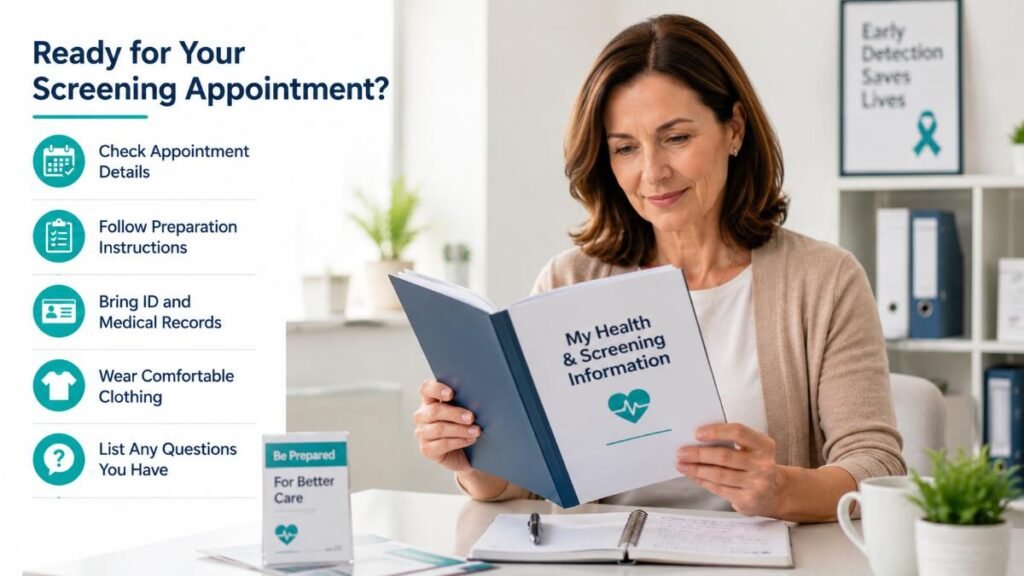
Maximizing the clinical value of private cancer screening in the UK requires a strategic, data-driven approach rather than a passive visit. Follow these steps to ensure your appointment is optimized:
Consolidate Records: Gather your historical imaging and surgical reports into one accessible file so your consultant can track your personal baseline.
Define Clear Objectives: Decide whether you are screening for specific tumor markers or if this is part of a broader executive wellness program.
Bridge Public and Private Care: Always inform your NHS GP of your plans to ensure your primary medical record remains comprehensive and cohesive.
Stabilize Systemic Markers: If you are currently addressing health concerns, follow a nutrition guide for beginners UK to ensure your inflammation markers are baseline during testing.
Ask Technical Questions: Inquire about the sensitivity of the equipment and the clinic’s specific protocol for handling “incidental findings.”
Future of Longevity and Preventive Healthcare
 Future of Longevity and Preventive Healthcare
We are entering a transformative era where medical care is shifting from reactive, one-size-fits-all models to precision-based, hyper-personalized frameworks. Increasingly, private cancer screening in the UK is being integrated into broader Longevity medicine clinics UK infrastructures. These centers go beyond mere detection; they aim to optimize your underlying biological functions, ensuring that physiological age is effectively managed alongside traditional disease prevention markers. This integration represents the gold standard of modern preventative health, where data-driven insights replace guesswork.
As we look toward 2026, the synergy between genomic mapping, advanced AI-driven imaging, and real-time biometric tracking will become the new baseline for elite wellness. Whether you are utilizing Biological age test kits to quantify your aging process or undergoing specialized diagnostic evaluations, the future of patient-led healthcare relies on synthesizing this complex data with expert clinical interpretation. By securing a Private GP subscription UK, you ensure that you are not just a patient, but a partner in a professional health strategy that monitors your complete journey across years, not just during acute episodes.
💡 Final Verdict
Private cancer screening in the UK is a tool that requires a mature, informed approach. It is not a replacement for a healthy lifestyle or GP-led care, but it can be a valuable component of an executive-level health management strategy. If you choose this path, prioritize CQC-regulated providers, maintain an open dialogue with your GP, and focus on evidence-based testing protocols.
We are recommending the Polar T34 Transmitter HR Chest Strap for proactive health tracking.

✍️👤 About the Author
Dambar R. is a dedicated wellness researcher and the visionary founder of MyHealthyLifeUK. With over a decade of hands-on experience in metabolic science and practical nutrition, he specializes in creating sustainable health transformations for modern lifestyles.
Based on his extensive research, Dambar empowers individuals across the UK and USA to reach their peak fitness goals through science-backed health tips without sacrificing the joy of everyday eating. His mission is to bridge the gap between complex health data and actionable habits that foster long-term vitality and holistic wellness.
⚠️ Medical Disclaimer
The information provided on MyHealthyLifeUK is for educational and informational purposes only. It is not intended to be a substitute for professional medical advice, diagnosis, or treatment.
- Professional Guidance: Always seek the advice of your Physician (GP) or another qualified health provider regarding any medical condition.
- Specialized Advice: For personalized dietary needs, we recommend consulting a Registered Dietitian.
- Safety First: Consult a professional before starting any new fitness or nutrition program.
Never disregard professional medical advice or delay seeking it because of something you have read on this website.