
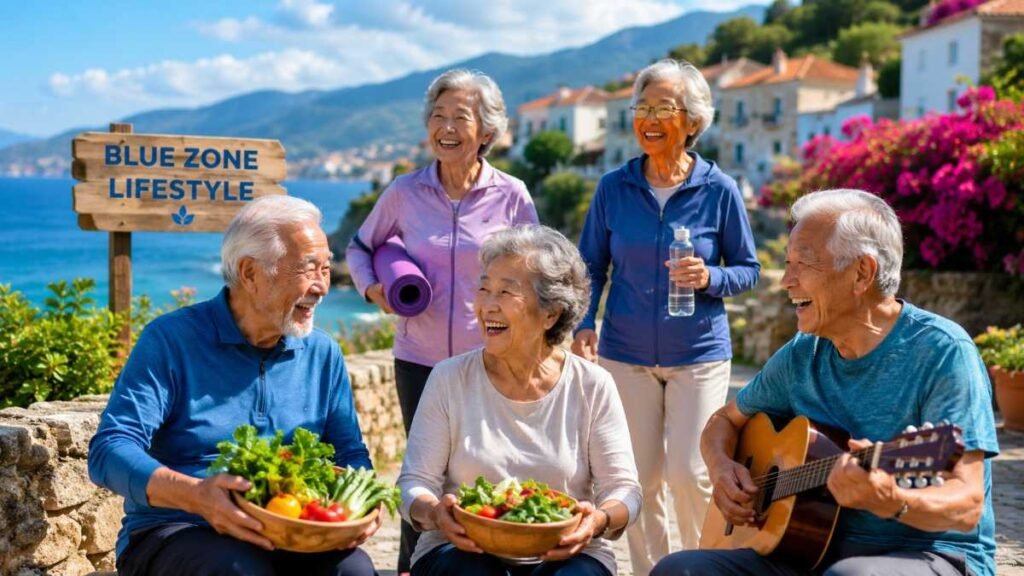
Why do some populations reach age 100 with remarkable vitality while others face chronic fatigue by age 50? This phenomenon is rarely a result of “good genes” alone. The longevity secrets of the world’s longest-lived people—those inhabiting the “Blue Zones”—are rooted in consistent, daily environmental rhythms rather than the fleeting, superficial promises of modern wellness trends. To transition from a state of constant, soul-crushing burnout to a life of sustainable, vibrant health, it is essential to deeply understand the structural, biological, and social pillars that support the Blue Zone lifestyle.
 Move Naturally: The Power of Constant Activity
 Move Naturally: The Power of Constant Activity
Modern fitness often misdefines health as 60 minutes of high-stress gym torture—a recipe for cortisol spikes and injury. Blue Zone centenarians avoid this, treating movement as an involuntary byproduct of daily life. They thrive because their environment demands it: tending gardens, walking to neighbors, and performing manual tasks that keep joints lubricated and muscles resilient.
- The Shift: Rigid, high-intensity protocols fail because they are unsustainable. Longevity is forged by replacing sporadic, exhausting workouts with consistent, low-intensity motion—the true foundation of metabolic efficiency. For details, see our guide on walking for weight loss.
- Environmental Nudging: Real movement is “accidental.” By choosing walking over convenience and maintaining an active home, exercise becomes an effortless habit rather than a forced obligation. This approach sustains metabolic output all day without the risks of overtraining.
- Deepening the Habit: View your body as an engine designed for steady, moderate motion, not occasional high-stress intervals. By reclaiming natural movement—taking stairs, active commuting, or standing while working—you eliminate the metabolic stagnation caused by sedentary life. Honor your biological design with persistent, low-grade exertion that leaves you energized, not depleted. Starting from zero? Try a 10-minute home workout to burn fat fast to build momentum. As Harvard Health confirms, consistent movement is the non-negotiable benchmark for long-term health.

Find Your Purpose: The "Ikigai" Framework
 Find Your Purpose: The "Ikigai" Framework
“A sense of purpose is a statistically significant predictor of extreme longevity, and a core pillar of the Blue Zone lifestyle. In Okinawa, this is called Ikigai; in Nicoya, it is known as plan de vida. Empirical research indicates that a clear, unwavering sense of purpose correlates directly with increased cognitive resilience and the reduction of systemic inflammation markers.”
Trait | Impact on Health Outcomes |
Purpose-Driven | Lower cortisol levels & higher cognitive resilience |
Drifting/Bored | Increased inflammatory markers & chronic stress |
- Establishing Meaning: Finding one’s purpose is the act of identifying what unique value an individual contributes to their community. When individuals feel they possess a profound “why,” the physiological toll of daily stress is significantly dampened, supporting a more robust immune system and clearer mental focus.
Living with Intention: Purpose acts as a powerful psychological buffer against the inevitable hardships of life. When you wake up with a clear, defined direction, your brain remains engaged, fostering neuroplasticity and keeping your mind sharp well into your later years. This isn’t about grand, world-changing achievements; it is about the quiet, consistent satisfaction of being needed by those around you. By connecting your daily actions to a larger, meaningful goal, you transform mundane tasks into meaningful contributions. For comprehensive guidance on achieving this mental state, refer to our complete mindfulness guide for beginners.
Down Shift: Managing the Modern Stress Response
 Down Shift: Managing the Modern Stress Response
Chronic stress acts as a “silent killer” in modern society, driving persistent cortisol elevation and systemic inflammation that tears at the body’s cellular integrity. While stressors are, to an extent, unavoidable, the Blue Zone approach emphasizes proactive recovery through “downshifting” rituals.
- Daily Reset: Rituals like the Sardinian “Happy Hour” or the Ikarian afternoon rest period serve as essential biological maintenance. These moments of quiet, prayer, or rest allow the parasympathetic nervous system to effectively counteract the “fight or flight” response.
- The Physiology of Rest: Chronic inflammation is often linked to the body’s inability to fully recover from daily stress. Establishing a non-negotiable, daily ritual to quiet the mind is not a sign of laziness or luxury; it is a clinical necessity for cellular repair, hormonal balance, and nervous system health. To track your recovery and improve your response, explore stress management. You can also read more about managing stress from the American Psychological Association.
- Reclaiming Your Calm: In a world that glorifies “hustle culture,” learning to pause is a radical act of self-preservation. By actively choosing to disconnect from digital noise and reconnect with yourself, you prevent the accumulation of micro-stressors that inevitably lead to cellular burnout. Your body requires these essential pockets of silence to initiate the intricate repair processes that keep you healthy.

The 80% Rule: Cultivating Mindful Satisfaction
 The 80% Rule: Cultivating Mindful Satisfaction
The Okinawan mantra Hara Hachi Bu advises stopping when the stomach is approximately 80% full. This ancient practice is a highly effective, zero-cost method for managing metabolic health and preventing the weight-related issues that plague modern populations.
- The 20-Minute Gap: Because it takes approximately 20 minutes for the brain to process satiety signals and communicate fullness, the 80% rule prevents the dangerous caloric surplus that leads to metabolic fatigue and chronic digestive distress.
- Mindful Consumption: Moving away from the ingrained childhood habit of “cleaning the plate” allows individuals to finally regain control over their internal hunger cues. For those looking to master their intake, healthy meal prep for weight loss can help you portion your nutrition effectively without restriction.
Listening to Your Biology: Most of us have completely forgotten how to listen to our internal hunger and satiety cues, often eating until we are uncomfortably full. By slowing down and chewing thoroughly, you allow your hormones—specifically leptin and ghrelin—to communicate effectively with your brain. This practice prevents the energy “crash” that follows large, heavy meals, keeping your blood sugar stable throughout the day. If you struggle with blood sugar, consider researching the 5 best continuous glucose monitors (CGM).
Plant Slant: Prioritizing Nutritional Density
 Plant Slant: Prioritizing Nutritional Density
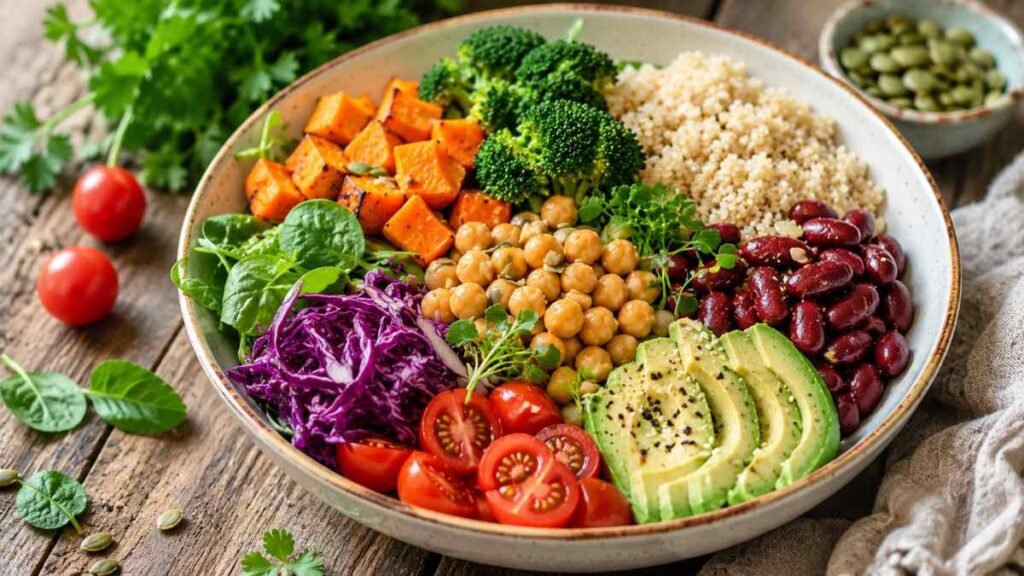
Centenarian diets are characterized by a “plant slant,” with legumes—beans, lentils, and chickpeas—serving as the undisputed dietary foundation. Meat is consumed sparingly, typically averaging five times per month or less, shifting the emphasis from quantity to high-quality, nutrient-dense consumption.
- Nutritional Focus: The focus is on fiber and high-quality, plant-based protein. Replacing processed or heavy animal proteins with fiber-rich legumes significantly improves gut microbiome diversity, which is essential for systemic health. See our gut health guide for beginners for more details.
- The Evidence: A shift toward plant-heavy meals supports long-term gut longevity and prevents the inflammatory spikes often caused by highly processed, Western diets. Explore best fat burning foods for weight loss to fill your plate with high-nutrient, low-inflammatory options. For further reading, check Mayo Clinic’s guide to vegetarian diets.
- Building Your Plate: By centering your meals around colorful vegetables, tubers, and legumes, you are flooding your system with antioxidants and phytonutrients. Following established dietary guidelines ensures you get the foundation of a long life. It is about choosing foods that promote long-term vitality rather than immediate, fleeting satisfaction.
Wine @ 5: The Communal Ritual
 Wine @ 5: The Communal Ritual
In many Blue Zones, moderate alcohol consumption—typically 1-2 glasses of red wine—is a social ritual rather than a solo habit. Consistency is critical; these communities do not engage in weekend binge drinking or excessive individual consumption.
- The Context: The health benefits attributed to this habit are largely linked to the communal setting. Sipping wine while engaging in deep, meaningful conversation with friends facilitates stress reduction and emotional stability. The connection itself is a vital component of the longevity equation, reinforcing the importance of social integration over individual consumption. To improve your social health, read about emotional intelligence.
- The Power of Connection: The true magic of this ritual isn’t in the alcohol, but in the environment in which it is consumed. When you gather with loved ones to share stories, laughter, and support, you lower your stress hormones and release oxytocin—the “bonding” hormone. By treating this time as a sacred window for human connection rather than a way to numb the mind, you turn a simple daily habit into a potent tonic for the heart and soul.
Belong: The Social Anchor
 Belong: The Social Anchor
Loneliness is statistically as dangerous to longevity as smoking. The Blue Zone lifestyle is practiced in a collective, or a “tribe.” Studies show that attending a faith-based or community service at least four times a month can add years to life expectancy.
- Building a Tribe: Whether through community service, clubs, or social organizations, having a “social anchor” is essential. Biological age is deeply tied to the quality of one’s social circles, as healthy behaviors often spread through social networks. Investing in a community provides a safety net that protects against the adverse health effects of isolation.
- Feeling Part of Something Bigger: Humans are inherently tribal; we evolved to rely on our community for survival. In the modern world, this often gets lost, leading to a pervasive sense of social detachment. Being part of a group provides you with a sense of identity and security. You can also explore wellness trends for future health and longevity for more on how social interaction influences your lifespan.
Loved Ones First: The Priority of Connection
 Loved Ones First: The Priority of Connection
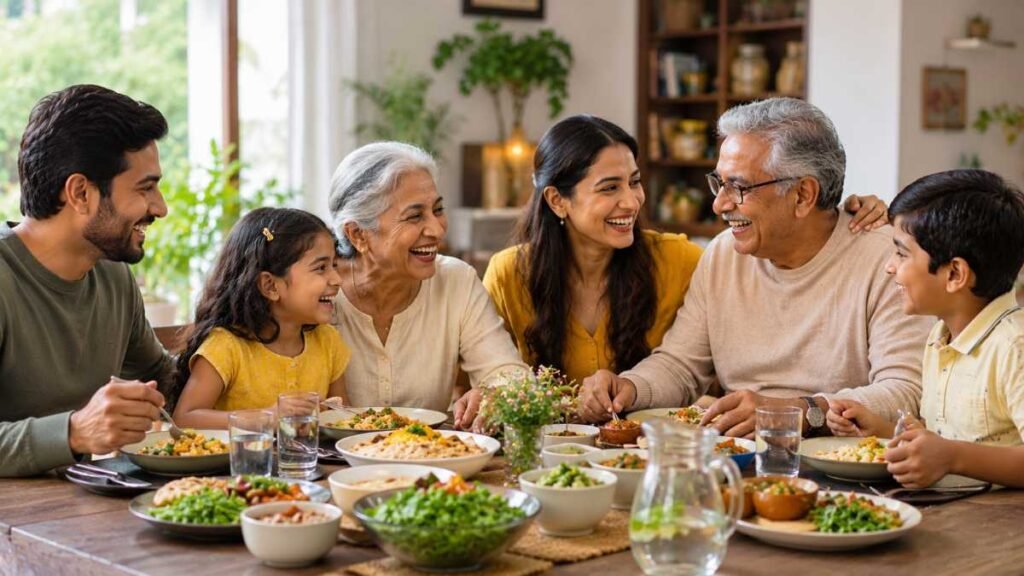
Centenarians prioritize keeping aging parents and extended family nearby, and they remain committed to long-term partners. This proximity lowers stress levels for all generations involved and creates a supportive safety net.
- The Biological Imperative: Investing in deep family and partner relationships is a long-term investment in biological health. Strong emotional bonds help regulate the nervous system, lower resting heart rates, and provide a vital sense of security.
- The Anchor of Kinship: When you make your loved ones your priority, you create a home environment that is defined by stability and support. By investing time and energy into these relationships, you are building an emotional reservoir that you can draw from during tough times. Remember that healthy relationships take intentional work; by choosing to be present, listen actively, and show genuine appreciation for your family, you ensure that your emotional health remains as strong as your physical frame.
The Right Tribe: Success is Contagious
 The Right Tribe: Success is Contagious
Individual health choices are heavily influenced by one’s immediate social circle. According to the Framingham Studies, behaviors like smoking and obesity are social contagions. The same principle applies to wellness.
- Curating the Circle: If a social group prioritizes sedentary habits or poor dietary choices, an individual’s health will likely suffer. Conversely, surrounding oneself with “healthy outliers”—those who prioritize movement, purpose, and community—makes adopting healthy habits the path of least resistance. For more on maintaining this lifestyle, see our simple healthy living tips.
- The Result: Aligning with a tribe that supports sustainable health ensures that one’s lifestyle becomes a shared reality. By becoming part of a peer group that encourages growth, you create a positive feedback loop where your healthy habits are validated and supported. This social reinforcement is the final, and perhaps most important, piece of the puzzle in maintaining a long, vibrant life.
Final Thoughts: Your Journey Starts Now
Adopting the Blue Zone lifestyle does not require relocating; it requires making “healthy” the default choice within your existing environment. By focusing on these nine pillars, you can begin to shift your biological trajectory. For a comprehensive start, read master your diet to find the perfect fit for your individual needs.

References & Sources
- PubMed / NIH: Clinical research on caloric restriction and plant-based nutrition for longevity.
- Harvard Health: Insights into the physiological effects of stress management and social connection on heart health.
- Blue Zones Official: Comprehensive data on the Power 9 principles observed in global longevity hotspots.
• Frequently Asked Questions
- What are the 5 core tenets of the Blue Zone diet? The Blue Zone lifestyle diet emphasizes 95% plant-based foods—mainly legumes, grains, and seasonal vegetables. Meat and processed sugars are minimized to optimize nutrient density and metabolic health.
- What are the “Power 9” principles of the Blue Zones?
The “Power 9” consists of nine core habits identified in the world’s longest-lived populations that form the foundation of the Blue Zone lifestyle:
- What is the 80% rule in Blue Zones? Hara Hachi Bu is the practice of stopping meals when 80% full. Respecting this satiety signal prevents caloric excess—a vital strategy for energy within the Blue Zone lifestyle.
- What are the recognized Blue Zones? The five official regions are Okinawa (Japan), Sardinia (Italy), Nicoya (Costa Rica), Ikaria (Greece), and Loma Linda (California), all serving as blueprints for exceptional, healthy longevity.
✍️👤 About the Author
Dambar R. is a dedicated wellness researcher and the visionary founder of MyHealthyLifeUK. With over a decade of hands-on experience in metabolic science and practical nutrition, he specializes in creating sustainable health transformations for modern lifestyles.
Based on his extensive research, Dambar empowers individuals across the UK and USA to reach their peak fitness goals through science-backed health tips without sacrificing the joy of everyday eating. His mission is to bridge the gap between complex health data and actionable habits that foster long-term vitality and holistic wellness.
⚠️ Medical Disclaimer
The information provided on MyHealthyLifeUK is for educational and informational purposes only. It is not intended to be a substitute for professional medical advice, diagnosis, or treatment.
- Professional Guidance: Always seek the advice of your Physician (GP) or another qualified health provider regarding any medical condition.
- Specialized Advice: For personalized dietary needs, we recommend consulting a Registered Dietitian.
- Safety First: Consult a professional before starting any new fitness or nutrition program.
Never disregard professional medical advice or delay seeking it because of something you have read on this website.