

Are you feeling a bit more fatigued lately, or perhaps noticing that your muscle tone isn’t what it used to be? You’re not alone. As we age, our bodies change how they process nutrients, making protein intake absolutely critical for maintaining independence, strength, and vitality. If you have been searching for the best sources of protein for older adults, you have come to the right place. Understanding the right balance of nutrition is your first step toward long-term wellness and healthy aging.
The Science of Muscle Maintenance: Why Protein Matters
The biological process of aging naturally leads to muscle mass reduction, a condition clinically known as sarcopenia. Research from the PROT-AGE Study Group and the European Society for Clinical Nutrition and Metabolism (ESPEN) highlights that as we age, our muscle protein synthesis becomes less efficient.
Proactive nutrition is the key to counteracting this decline. Your body needs high-quality amino acids to repair tissues and maintain bone density. Unlike younger bodies that build muscle easily, the aging body requires higher protein thresholds to trigger the same muscle-building response. According to NHS guidelines and British Dietetic Association recommendations, protein is the foundational macronutrient for mobility and longevity. Without adequate intake, the body begins to break down muscle tissue for energy, leading to decreased strength, slower recovery times, and increased vulnerability to falls. Focusing on the best sources of protein for older adults early on is a vital strategy for maintaining independence throughout your later years.
- Protecting your muscle mass is vital for staying strong, independent, and mobile as you age.
- Metabolic Support: Protein keeps your metabolism active, which is crucial for those following a balanced diet and healthy eating guide.
- Recovery: Faster healing from minor injuries and surgeries.
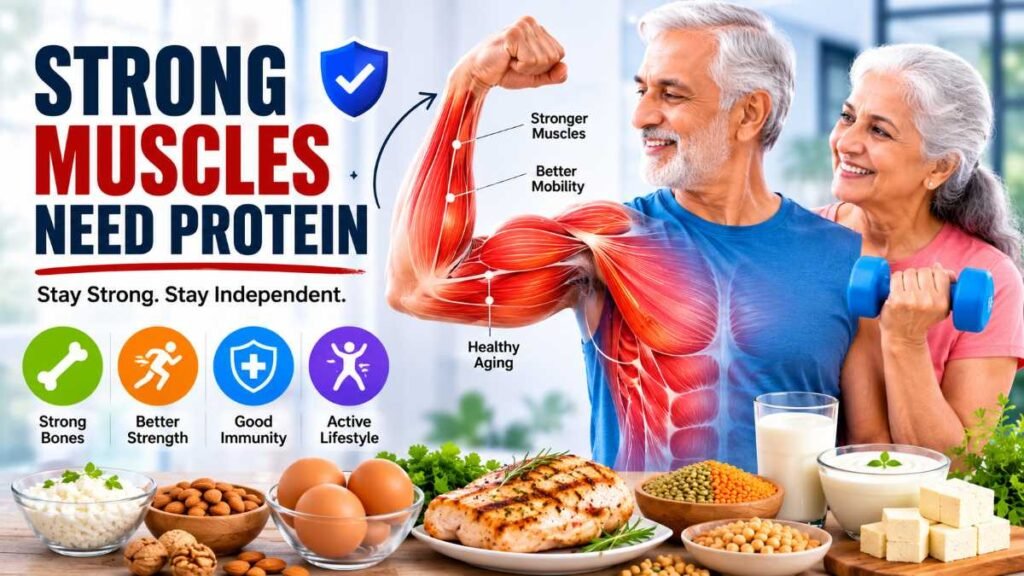
The Elite List: Best Sources of Protein for Older Adults
When selecting the best sources of protein for older adults, we focus on bioavailability—how easily your body can absorb those nutrients.
Food Item | Protein Content (Approx.) | Why It’s Great |
Greek Yogurt | 20g per cup | Probiotics + Casein for slow-release muscle fuel |
Salmon | 22g per 3oz | Packed with Omega-3s for brain and heart health |
Eggs | 6g per large egg | Complete amino acid profile; very easy to digest |
Lentils | 18g per cup | |
A 3oz serving of lean chicken | offers 25g of protein, | making it an excellent, low-fat staple for building and maintaining muscle. |
Calculating Your Needs: How Much Is Enough?
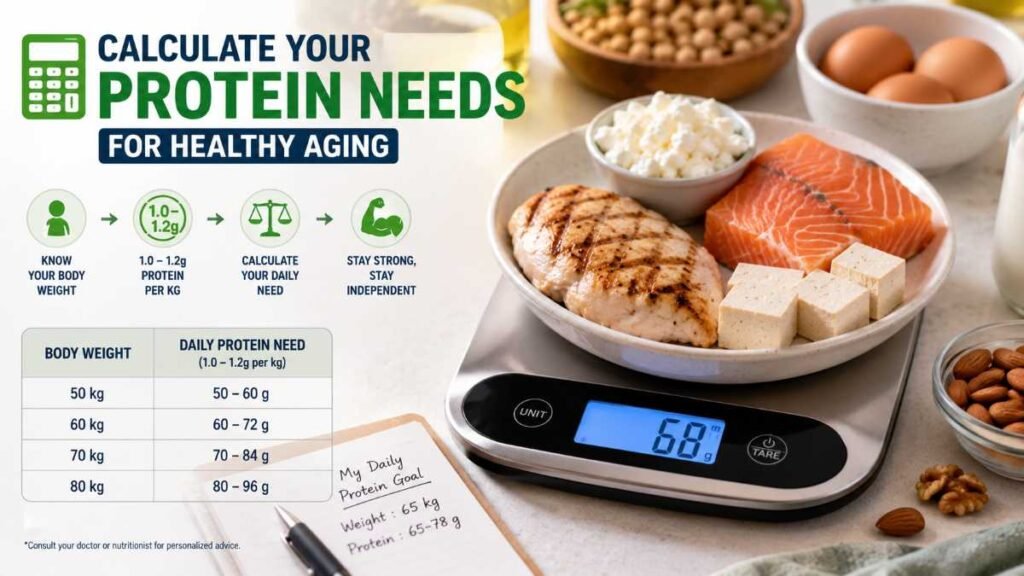
Standard protein guidelines for a 20-year-old athlete do not apply to seniors. To help prevent muscle loss as you age, clinical evidence suggests increasing your intake of quality protein. Experts generally recommend a baseline of 1.0g to 1.2g of protein per kilogram of body weight daily. However, if you are recovering from illness or engaging in regular resistance training, your needs may climb to 1.5g per kg.
It is also vital to understand the role of Leucine. This specific amino acid acts like a “key” that unlocks muscle protein synthesis. As we get older, our bodies struggle to process protein; that’s why you need extra Leucine to effectively kick-start muscle growth. The best sources of protein for older adults are those rich in Leucine, such as eggs, whey, fish, and chicken. By ensuring these high-Leucine foods are in your rotation, you give your body the exact tools it needs to prevent age-related muscle loss. If you are struggling to hit these numbers, check out this nutrition guide for beginners to help map out your daily requirements efficiently.
Expert Insight: The Importance of Protein Timing
One of the most common mistakes is eating very little protein at breakfast and saving most of it for dinner. It’s not just about the total protein you eat; how you spread it out throughout the day matters just as much. To maximize muscle health, aim to spread your intake evenly throughout the day, providing 20g to 30g of protein at each meal. This approach ensures your body always has a consistent supply of amino acids available.
If you struggle to eat large volumes of food in one sitting, think in terms of “protein snacks.” Adding a scoop of Greek yogurt to your breakfast or a small handful of nuts as an afternoon snack ensures you aren’t waiting until dinner to meet your goals. You might find that healthy meal prep for weight loss makes this “spaced out” approach much easier to manage.
Managing Digestion and Nutrient Absorption
As we age, natural stomach acid levels may decrease, which can make breaking down tough, fibrous proteins more challenging. This is where a gut health guide for beginners becomes an essential resource. If you experience bloating or discomfort after a high-protein meal, don’t just cut back on protein—adjust how you prepare it.
Focus on soft, well-cooked, or shredded proteins, which are significantly easier for the digestive system to process. Incorporating fermented foods like kefir or sauerkraut can also support gut flora, enhancing your ability to absorb nutrients from the best sources of protein for older adults. Hydration is also paramount; protein metabolism requires adequate water to function effectively. By supporting your digestive efficiency, you ensure that the protein you consume is actually being utilized for muscle repair rather than causing gastrointestinal stress.
Addressing Common Questions (People Also Ask)
- What are good sources of protein for older people? Besides lean meats and seafood, eggs and dairy remain gold standards due to their high leucine content.
- What are sustainable sources of protein? Lentils, chickpeas, and beans are affordable and environmentally friendly staples if you are practicing mindful eating and self-care routine.
- What is the best protein for seniors? The best choice is simply one that your body handles well every day. Whey protein is a fantastic option if you need quick muscle recovery after staying active.
- What are 5 daily staples for seniors? Eggs, Greek yogurt, salmon, lentils, and seeds are nutritional powerhouses that provide essential energy and strength.
Synergy: Combining Protein with Activity
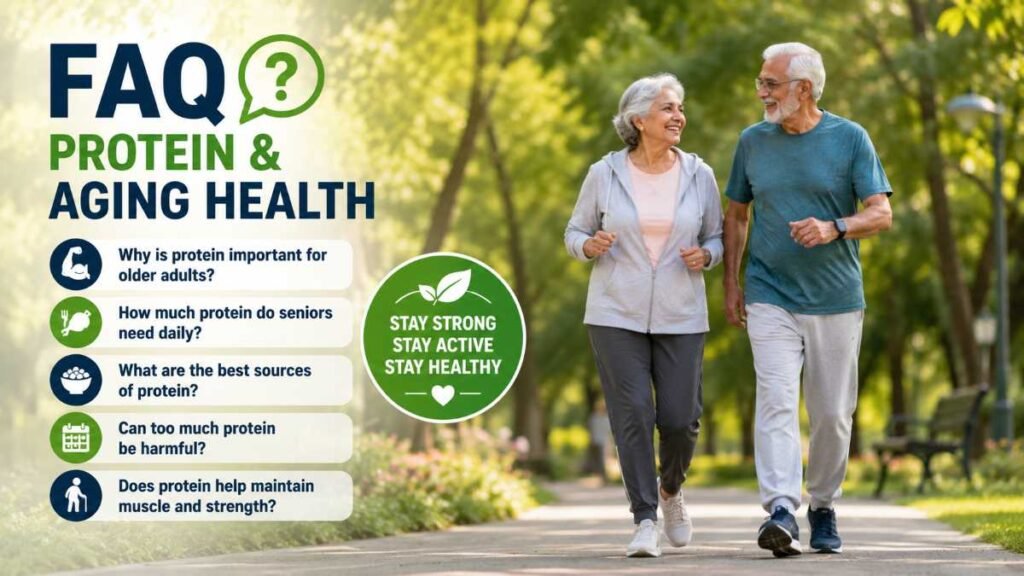
Clinical evidence suggests that protein intake is most effective when paired with regular physical activity. For those looking to maintain vitality, incorporating the best home workout for fat loss for beginners ensures that your muscles are getting the stimulation they need to utilize that protein effectively. This creates a positive feedback loop: better protein intake leads to stronger muscles, which in turn makes physical activity more enjoyable and sustainable.
When you challenge your muscles through consistent movement, you essentially create a “demand” for amino acids. Think of it as a house renovation: protein provides the high-quality bricks, but exercise is the blueprint that tells your body exactly where those bricks need to go. Without this physical stimulus, even the most nutrient-dense diet may not translate into the functional strength you crave for your daily independence.
Moreover, staying active doesn’t have to mean grueling gym sessions. Even simple, low-impact movements like walking or chair-based exercises play a massive role in metabolic health. By staying consistent, you aren’t just building temporary muscle; you are signaling to your body that your tissues are still vital and necessary. This consistency also aids in managing cortisol levels, which helps prevent age-related muscle breakdown and keeps your 10 minute home workout to burn fat fast effective and safe. Trust the process—the combination of protein and daily movement is the ultimate anti-aging hack.
Final Thoughts on Healthy Aging
Aging isn’t about decline; it’s about intentional adaptation. By focusing on high-quality nutrition—specifically targeting the best sources of protein for older adults—you take control of your biological clock. Consistency beats intensity every single time.
If you have specific health goals, such as managing normal blood pressure for women or staying agile, always consult with your GP before making drastic changes to your diet. For more insights on longevity, I recommend exploring wellness trends future health longevity. Remember: your body is your greatest asset. Feed it the building blocks it deserves, and it will support you for years to come.
✍️👤 About the Author
Dambar R. is a dedicated wellness researcher and the visionary founder of MyHealthyLifeUK. With over a decade of hands-on experience in metabolic science and practical nutrition, he specializes in creating sustainable health transformations for modern lifestyles.
Based on his extensive research, Dambar empowers individuals across the UK and USA to reach their peak fitness goals through science-backed health tips without sacrificing the joy of everyday eating. His mission is to bridge the gap between complex health data and actionable habits that foster long-term vitality and holistic wellness.
⚠️ Medical Disclaimer
The information provided on MyHealthyLifeUK is for educational and informational purposes only. It is not intended to be a substitute for professional medical advice, diagnosis, or treatment.
- Professional Guidance: Always seek the advice of your Physician (GP) or another qualified health provider regarding any medical condition.
- Specialized Advice: For personalized dietary needs, we recommend consulting a Registered Dietitian.
- Safety First: Consult a professional before starting any new fitness or nutrition program.
Never disregard professional medical advice or delay seeking it because of something you have read on this website.