
🩺 The Foundation of Cardiovascular Health in Women

Blood pressure is a silent yet powerful indicator that reveals a great deal about your overall cardiovascular health. When we discuss normal blood pressure for women, we aren’t just looking at a static set of numbers; we are observing a dynamic range that fluctuates based on age, lifestyle, and significant hormonal shifts throughout a woman’s life. Heart disease remains a leading health risk for women globally, making it imperative to understand your numbers and keep them within a healthy range. This article explores every critical aspect of female cardiovascular health, from biological differences to lifestyle management. Recent statistics indicate that women often present cardiovascular symptoms differently than men, which makes maintaining a baseline of normal blood pressure for woman even more crucial in preventing long-term complications such as stroke, kidney damage, or heart failure.
Understanding the Numbers: What is Normal Blood Pressure for Woman?
Blood pressure is measured using two distinct figures: Systolic (the pressure when your heart beats) and Diastolic (the pressure when your heart rests between beats). In clinical terms, a healthy blood pressure levels for women is defined as a reading of less than 120/80 mmHg.
- Systolic (Top Number): This represents the force your blood exerts against the artery walls while the heart is actively pumping.
- Diastolic (Bottom Number): This measures the pressure in the arteries when the heart rests between beats.
If your readings consistently exceed these limits, it may signal the onset of hypertension. It is vital to understand that these numbers represent the physical force of your blood against the walls of your blood vessels. When this force is consistently high, it causes microscopic damage to the delicate tissues inside your arteries. Achieving a normal blood pressure for women ensures that your vital organs, particularly the brain and kidneys, receive a steady supply of oxygenated blood without sustaining structural damage over time.
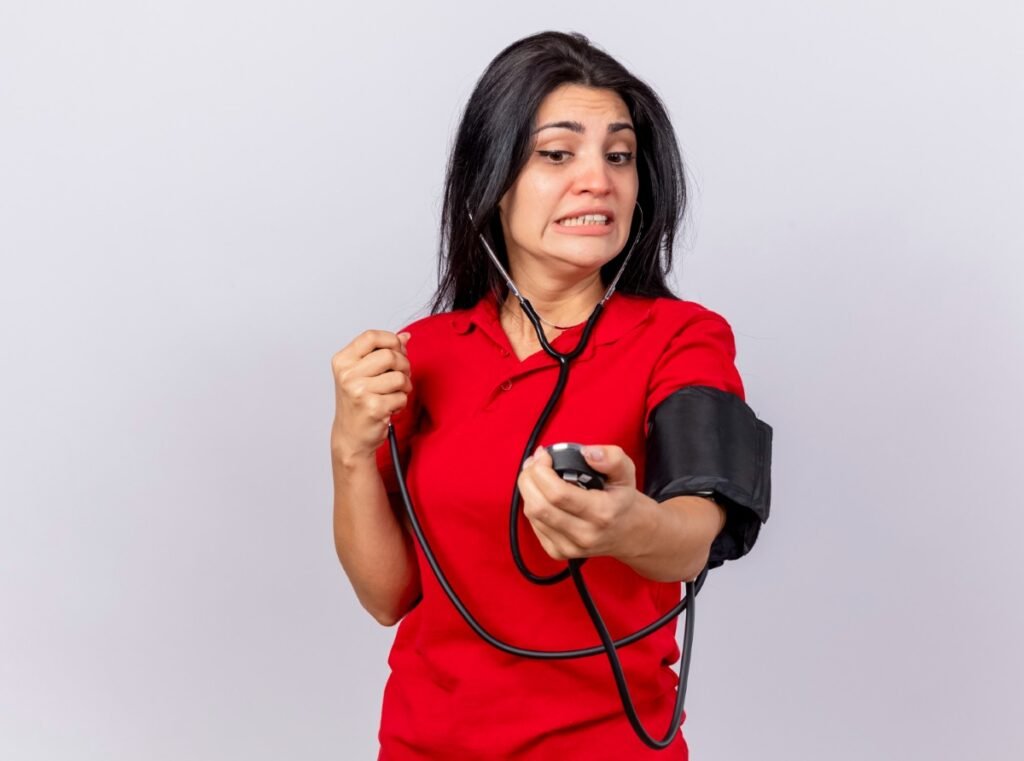
Normal Blood Pressure for Woman: The Official Category Chart
Based on guidelines from the American Heart Association and the Heart Research Institute UK, here is the standard breakdown of blood pressure categories for adults:
Category | Systolic (mmHg) | Diastolic (mmHg) | |
Normal | Less than 120 | and | Less than 80 |
Elevated | 120 – 129 | and | Less than 80 |
Hypertension Stage 1 | 130 – 139 | or | 80 – 89 |
Hypertension Stage 2 | 140 or higher | or | 90 or higher |
Hypertensive Crisis | Higher than 180 | and/or | Higher than 120 |
Monitoring these categories is the first step toward maintaining a normal BP range for women. It is important to note that if your systolic and diastolic numbers fall into two different categories, the higher category is used for the official diagnosis. For example, a reading of 135/75 mmHg is classified as Stage 1 Hypertension. Staying within the “Normal” green zone is the ultimate goal for long-term health and longevity.
Age-Wise Breakdown: Normal Blood Pressure for Woman by Decades
As we age, blood vessels naturally lose some of their elasticity and become stiffer, which can lead to a gradual increase in pressure. Research suggests that the average healthy BP levels in women varies across different age groups:
- Ages 20–29: The ideal range is often around 110/68 mmHg. Establishing healthy habits early sets the foundation for life.
- Ages 30–39: Despite increased lifestyle and career stress, a reading of 112/70 mmHg is considered a healthy baseline.
- Ages 40–49: As perimenopause begins, hormonal fluctuations may cause numbers to rise slightly, with an average of 122/74 mmHg.
- Ages 50–59: Following menopause, the decline in protective hormones often leads to an average of 128/79 mmHg.
- Ages 60+: In later life, 134/80 mmHg is frequently monitored, though anything above 140/90 remains a concern.
While the vascular system undergoes natural changes with age, “getting older” is not a justification for dangerously high readings. Consistently tracking what constitutes a normal blood pressure for women at your specific stage of life allows for early medical intervention. Even if your baseline is slightly higher in your 70s, the goal remains to stay as close to the 120/80 mark as possible to reduce the risk of age-related cognitive decline and stroke.
Hormonal Influence on Normal Blood Pressure for Women
A woman’s cardiovascular system operates differently than a man’s, largely due to the profound influence of hormones. Estrogen plays a starring role in maintaining a normal blood pressure for woman by keeping arterial walls flexible and aiding the production of nitric oxide, which helps vessels dilate.
- The Menopause Factor: During menopause, estrogen levels drop significantly. This loss causes blood vessels to lose their “stretchiness,” leading to a natural rise in blood pressure.
- Contraceptive Influence: Certain birth control pills containing synthetic estrogen can cause fluid retention and increase the activity of the renin-angiotensin system, potentially disturbing a normal blood pressure for woman.
Understanding this “hormonal biological clock” is essential for every women. Many experience a sharp rise in their numbers during the transition into menopause, a phenomenon often called “menopausal hypertension.” Being proactive during these biological shifts ensures you can maintain a recommended blood pressure for women through targeted lifestyle adjustments or Hormone Replacement Therapy (HRT) if recommended by your GP.
Pregnancy and Normal Blood Pressure for Women
During pregnancy, your body undergoes a massive transformation, including a 50% increase in blood volume. This puts significant extra demand on the heart.
- Gestational Hypertension: High blood pressure that develops after 20 weeks of pregnancy and typically resolves after delivery.
- Preeclampsia: A serious condition characterized by a sudden spike in BP, often accompanied by protein in the urine and organ stress.
Monitoring for a normal blood pressure for women during these nine months is a matter of critical safety for both the mother and the developing fetus. High readings can restrict blood flow to the placenta, potentially leading to low birth weight or premature birth. Furthermore, women who experience high BP during pregnancy should continue long-term monitoring, as they face a statistically higher risk of developing chronic hypertension later in life.
Why the "Silent Killer"? Symptoms to Watch For
Hypertension is famously dubbed the “Silent Killer” because it often presents no obvious symptoms until significant damage has occurred. However, if a normal blood pressure for women crosses into Stage 2 or a Crisis level, the body may send subtle warning signals:
- Persistent Headaches: Often felt at the back of the head (occipital region), especially in the morning.
- Unexplained Fatigue: Feeling exhausted despite getting adequate rest.
- Vision Disturbances: Blurred vision or seeing “floaters” or spots.
- Chest Discomfort: A feeling of tightness or pressure caused by the heart working too hard.
Because these symptoms are vague and easily blamed on stress, many women ignore them. Regular screenings are the only definitive way to ensure you are maintaining a optimal blood pressure levels for women. If you ever experience sudden, severe chest pain or a “thunderclap” headache, seek emergency medical help immediately, as these can be signs of a hypertensive emergency.
How to Get an Accurate Reading at Home
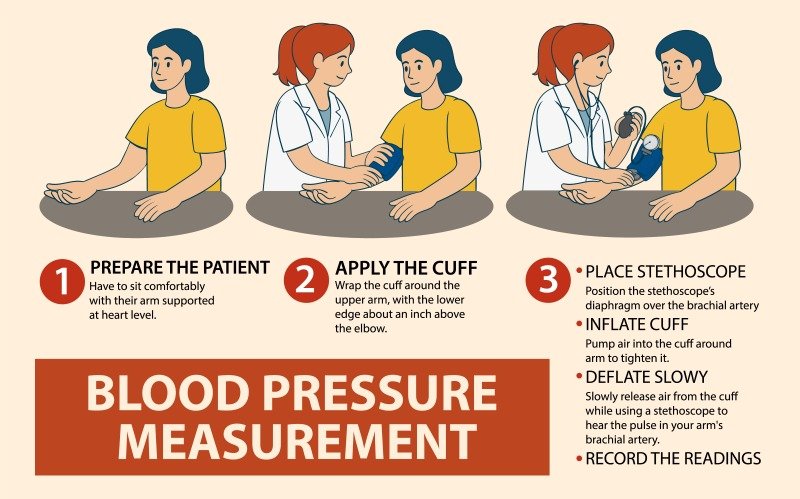
Achieving a professional-level reading at home requires more than just a digital machine; it requires clinical precision. To verify a normal blood pressure for women status, follow these steps:
- Preparation: Avoid caffeine, nicotine, or heavy exercise for 30 minutes before testing.
- The 5-Minute Rule: Sit quietly in a chair for five minutes. Do not talk, use your phone, or watch TV.
- Correct Posture: Sit with your back supported and feet flat on the floor. Do not cross your legs, as this can artificially raise your reading by 2–8 mmHg.
- Cuff Placement: Ensure the cuff is the correct size for your arm and placed on bare skin, not over clothing.
Consistently checking at the same time every day—ideally once in the morning and once in the evening—provides a reliable average for your doctor. This data helps distinguish between true hypertension and “White Coat Hypertension,” where stress in a clinical setting causes a temporary spike. Maintaining a digital log is the best way to confirm your safe blood pressure range for women status.

Lifestyle Strategies for Maintaining Normal Blood Pressure for Women
If your readings are slightly elevated, don’t panic. Sustainable lifestyle modifications are incredibly effective at bringing your numbers back down to a normal blood pressure for woman range.
- Physical Activity: Aim for at least 150 minutes of moderate aerobic activity (like brisk walking) per week. Strength training twice a week also improves vascular health.
- Weight Management: Losing even 3–5 kg can result in a significant drop in systolic pressure.
- Sleep Hygiene: 7–9 hours of quality sleep is essential for vascular repair. Conditions like sleep apnea can cause chronic BP spikes.
Small, daily choices are more effective than drastic, short-term changes. For instance, choosing water over soda or taking the stairs instead of the lift can gradually nudge your cardiovascular system back toward a women’s normal blood pressure range. Consistency is the key to keeping your arteries supple and your heart strong over the long term.
The Role of Diet: The DASH Approach
Nutrition plays a 70% role in maintaining a normal blood pressure for women. The DASH (Dietary Approaches to Stop Hypertension) diet is globally recognized for its efficacy.
- Sodium Reduction: Aim for less than 1,500 mg of sodium per day. Avoid processed snacks, canned soups, and “hidden” salts in bread.
- Potassium, Magnesium & Calcium: These minerals help the heart muscle contract and relax properly. Focus on leafy greens, bananas, and seeds.
- Hydration: Dehydration causes blood vessels to constrict, which can raise pressure.
Real-life Tip: Replace table salt with flavorful herbs like lemon, garlic, and ginger. Adding a handful of berries to your breakfast provides antioxidants that strengthen blood vessel walls. By focusing on whole, unprocessed foods, you align your body’s chemistry to support a normal blood pressure for women, often reducing the need for high-dose medication.

Medical Treatments and When to See a Doctor
If lifestyle changes alone do not achieve a balanced blood pressure levels for women, genetic factors or underlying health conditions may necessitate medication. Modern medicine offers several effective tools:
- Diuretics: Often called “water pills,” these help the kidneys remove excess salt and water.
- ACE Inhibitors & ARBs: These medications block chemicals that cause blood vessels to tighten and narrow.
- Calcium Channel Blockers: These prevent calcium from entering the heart and artery cells, allowing the vessels to relax and open up.
Do not view medication as a failure; view it as a protective shield for your brain and heart. Many women successfully maintain a normal blood pressure for women through a combination of low-dose medication and healthy habits. If your readings are consistently 130/80 mmHg or higher, consult your healthcare provider to discuss a personalized management plan.
🎯 Taking Control of Your Blood Pressure for a Healthier Future 🚀
Your cardiovascular health is ultimately in your hands. Understanding the parameters of normal blood pressure for women is not a complex task, but it does require awareness and consistent discipline. By tracking your numbers, prioritizing a nutrient-dense diet, and managing stress, you can protect your heart for decades to come. Life stages like pregnancy and menopause require extra vigilance, but with the right knowledge, you can navigate these transitions safely. Remember, a healthy heart is the foundation of a long, vibrant, and happy life.
Expert Tip for Readers: Always maintain a “Blood Pressure Diary.” Record your readings along with notes on your mood, sleep quality, and diet for that day. This

✍️ About the Author
Dambar R. is a dedicated wellness researcher and the visionary founder of MyHealthyLifeUK. With over a decade of hands-on experience in metabolic science and practical nutrition, he specializes in creating sustainable health transformations for modern lifestyles.
Based on his extensive research, Dambar empowers individuals across the UK and USA to reach their peak fitness goals through science-backed health tips without sacrificing the joy of everyday eating. His mission is to bridge the gap between complex health data and actionable habits that foster long-term vitality and holistic wellness.
⚠️ Medical Disclaimer
The information provided on MyHealthyLifeUK is for educational and informational purposes only. It is not intended to be a substitute for professional medical advice, diagnosis, or treatment.
- Professional Guidance: Always seek the advice of your Physician (GP) or another qualified health provider regarding any medical condition.
- Specialized Advice: For personalized dietary needs, we recommend consulting a Registered Dietitian.
- Safety First: Consult a professional before starting any new fitness or nutrition program.
Never disregard professional medical advice or delay seeking it because of something you have read on this website.