
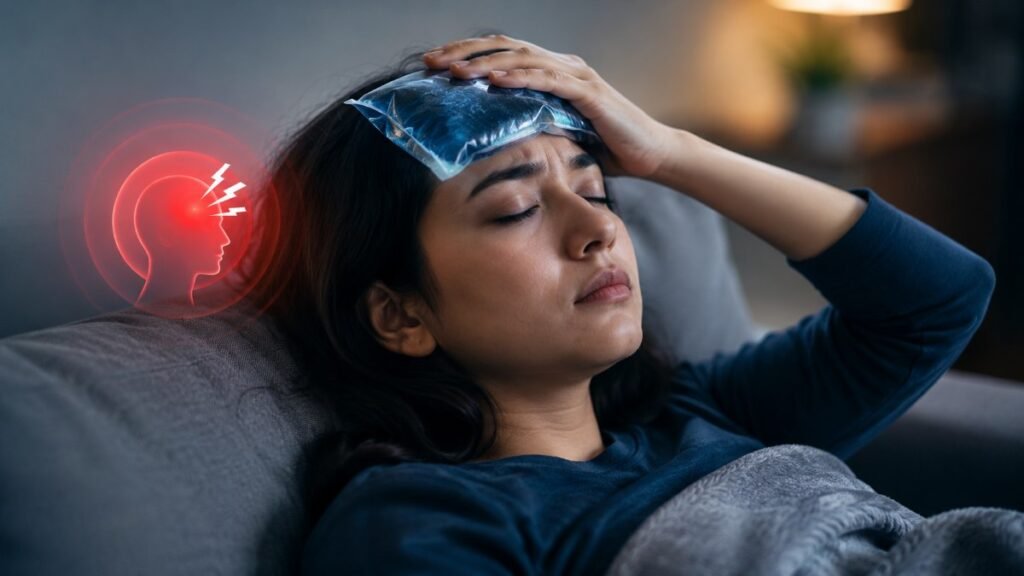
“Are you looking for lasting migraine relief after your day has been hijacked by a sudden, throbbing headache? If you are struggling with the debilitating cycle of recurring attacks, you are not alone. Migraines are far more than just ‘bad headaches’; they are a complex neurological event that can sideline your focus, productivity, and long-term well-being. In this guide, we dive deep into expert-backed strategies to help you identify your triggers, reduce attack frequency, and finally regain control of your health and daily routine.”
“Stop guessing and start healing. Read the full expert protocol below to identify your specific migraine triggers and build a long-term, pain-free plan that actually works.”
 What is a Migraine? Understanding the Neurology
 What is a Migraine? Understanding the Neurology
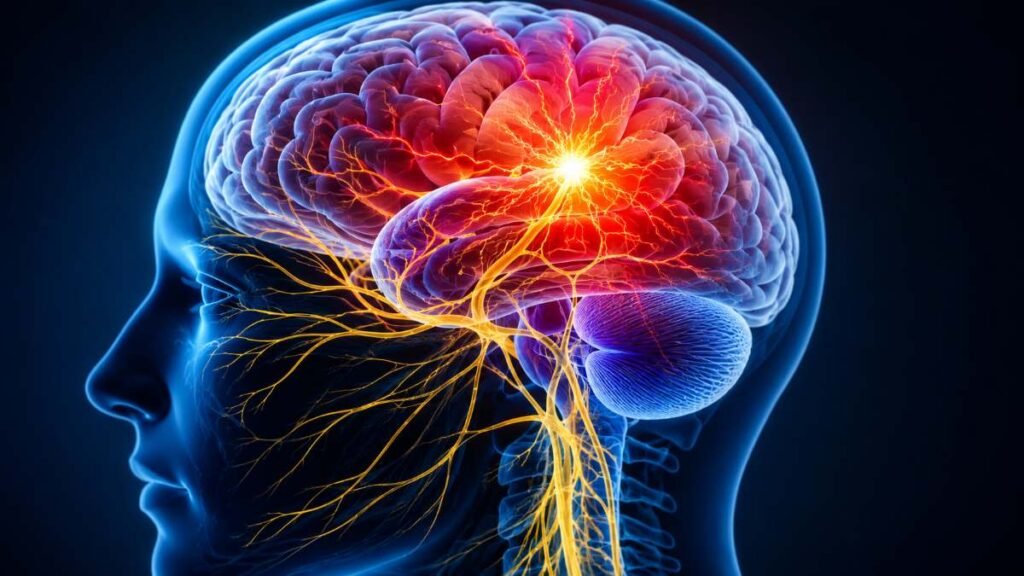
Unlike a standard tension headache triggered by muscle tightness, a migraine is a sophisticated neurological event. It often involves your central nervous system, blood vessels, and specific neurotransmitters like serotonin and calcitonin gene-related peptide (CGRP). For many, it manifests as a rhythmic, pulsing sensation, usually on one side of the head, accompanied by intense sensory sensitivity.
Beyond the physical pain, the brain undergoes a state of hyper-excitability. During an attack, the trigeminal nerve—the main pain pathway for the head—becomes activated, causing the release of inflammatory substances that lead to throbbing pain. This vulnerability is why managing your internal environment—specifically your hydration, blood sugar stability, and stress response—is the first line of defense against the neurological “storm” that characterizes these complex episodes.
The Four Stages of Migraine Attacks
 The Four Stages of Migraine Attacks
Understanding where you are in an attack cycle can help you use the right migraine causes, symptoms, and treatment strategies at the right time.
Stage | Duration | Key Symptoms |
Prodrome | 24-48 hours before | Cravings, fatigue, mood shifts, neck stiffness |
Aura | 5-60 minutes | Visual zig-zags, tingling, speech issues |
Attack | 4-72 hours | Throbbing pain, nausea, photophobia |
Postdrome | 24-48 hours after | “Migraine hangover”, exhaustion, confusion |
Recognizing the Prodrome phase is your greatest advantage. Early recognition and appropriate self-care measures—such as hydration and minimizing sensory input—may help some individuals reduce the severity or duration of an incoming attack. Many people overlook the postdrome phase, but treating this stage with gentle rest and steady hydration is vital for full recovery. Do not ignore these subtle physiological cues, as your brain is already signaling that its threshold for stability has been compromised. Paying attention here allows you to pivot your daily routine before the debilitating pain peaks.
3. 🎯 Identifying Common Migraine Triggers
Your environment and lifestyle act as the “spark” for the neurological “fire” of a migraine. By logging your triggers, you transition from a victim of pain to an active manager of your health.
- Stress: Chronic high-pressure situations may influence your migraine threshold through complex hormonal and nervous system pathways.
- Sleep Patterns: Fluctuations in your circadian rhythm are major triggers; consistency is the best anchor for your neurology.
- Dietary Factors: Additives like MSG, nitrates, or aged cheeses contain tyramine, a substance that can affect individuals sensitive to dietary triggers.
- Environmental Shifts: Rapid changes in barometric pressure often precede attacks in those with high sensory reactivity.
If you find that physical stress triggers your head pain, it is essential to integrate consistent stress management techniques to calm your autonomic nervous system. Keeping a meticulous journal of your daily variables helps you isolate your unique “trigger threshold” before an attack escalates. Don’t look for one single culprit; often, it is the ‘stacking’ of minor stressors—like skipping a meal on a day with little sleep—that creates the perfect storm for an episode to begin.

Evidence-Based Migraine Treatment Options
 Evidence-Based Migraine Treatment Options
Effective migraine causes, symptoms, and treatment planning combines medical intervention with structural lifestyle adjustments. Always consult with your neurologist or physician before starting any new supplement or medication protocol.
- Acute Medication: Triptans or CGRP inhibitors (consult your doctor to find what matches your migraine medical history).
- Preventative Supplements: Magnesium glycinate, Vitamin B2 (Riboflavin), and CoQ10 are frequently used in management protocols, but dosages must be physician-approved to ensure safety.
- Physical Therapy: Cervicogenic issues—tension in the neck and shoulders—often mimic or trigger migraine-related symptoms.
- Neuromodulation: FDA-cleared devices that stimulate the trigeminal or occipital nerves can provide drug-free migraine relief for those who prefer to limit pharmaceutical use.
For those focusing on systemic support, exploring our comprehensive guide to health supplements can help you identify high-quality nutrients that support neurological function. Always remember that the goal of treatment is not just to mask the pain but to gradually decrease the frequency and intensity of attacks over time through a balanced, evidence-backed approach.
Your Ultimate Relief Toolkit
 Your Ultimate Relief Toolkit
To build a better lifestyle, consider incorporating these common migraine management tools into your daily plan:
- Cooling Gel Caps: Cooling may provide symptomatic relief by influencing pain signals and calming sensitive sensory pathways during an attack.
- Blue Light Glasses: Essential if your job requires extensive screen time, as blue light wavelengths often exacerbate photophobia.
- Hydration + Electrolytes: Simple water isn’t enough; magnesium-rich electrolyte powders support better nerve transmission and cellular health.
- Consistent Meal Timing: Stabilizing your blood sugar prevents the metabolic dips that often precede a migraine event.
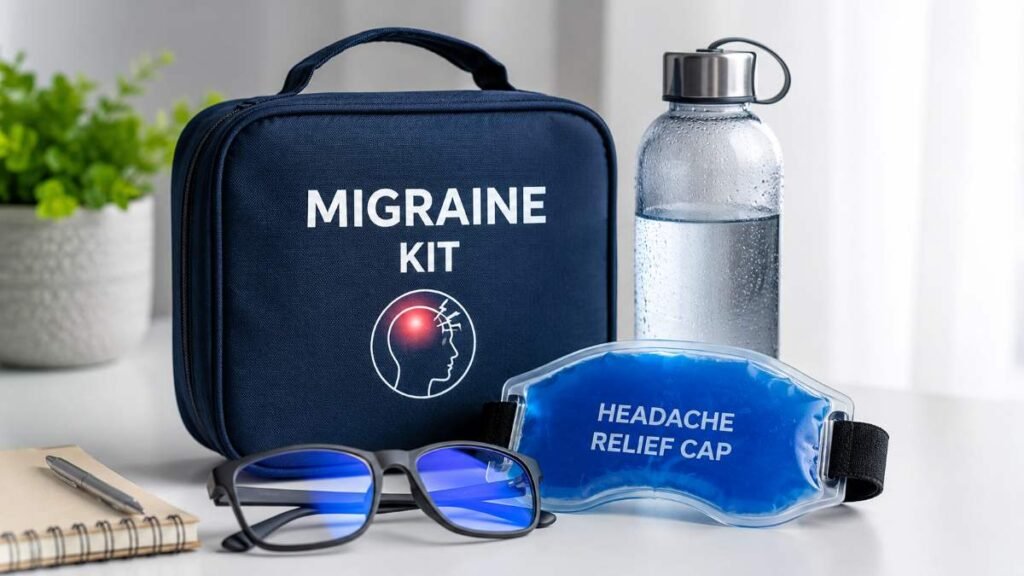
Equipping your home with a “migraine kit” ensures that you have immediate, drug-free comfort when the first sign of an aura appears. By controlling your sensory input early, you minimize the activation of the trigeminal nerve. Furthermore, having a pre-planned, quiet space where you can retreat to darkness is more effective than searching for relief after the pain has already become moderate or severe.
“For immediate, drug-free relief during a throbbing episode, a Migraine Relief Cap is a game-changer. It provides 360-degree cooling compression to instantly soothe the trigeminal nerve and reduce pain.”
“Ready to build your personal Migraine Relief Kit? Don’t let the next attack catch you off guard—check out our recommended relief tools and supplements that support neurological stability and help you regain control of your day.”
Comparison: Migraine vs. Tension Headache
 Comparison: Migraine vs. Tension Headache
Distinguishing your symptoms is the first step in effective management.
- Migraine: Typically one-sided, pulsing, and often preceded by nausea or visual disturbances.
- Tension Headache: Feels like a “tight band” around the forehead; usually caused by posture or muscular strain.
While tension headaches respond well to massage, migraines require sensory deprivation (dark, quiet rooms). If you are struggling with chronic inflammation, read more about how to lower cortisol levels fast to stop the cycle of recurring tension that leads to more severe, migrainous head pain. Understanding this distinction saves you time and ensures you are using the right approach for migraine relief whether that’s heat therapy for muscular tension or complete environmental control for a neurological migraine. Identifying the “throbbing vs. tight band” sensation is your primary diagnostic key.
When to See a Doctor Immediately
 When to See a Doctor Immediately
While managing migraine causes, symptoms, and treatment at home is possible, some “red flag” symptoms require urgent clinical evaluation. Do not attempt to self-manage these:
- Thunderclap Onset: A headache that reaches peak intensity in seconds (“the worst headache of your life”).
- Focal Neurological Signs: Any vision loss, one-sided weakness, or profound confusion that is new to you.
- Post-Trauma: Any headache occurring immediately or shortly after a significant head injury.
- Systemic Signs: Fever, stiff neck, or unexplained cognitive changes could be markers for meningitis or other acute infections.
Do not try to “wait out” symptoms that feel outside the pattern of your usual migraine. Seeking a professional diagnosis early is the most reliable way to rule out underlying issues and ensure your treatment path is safe. If your current migraine pattern changes suddenly, that is a sign to contact your healthcare provider for an updated assessment.

Lifestyle Modifications for Long-Term Success
 Lifestyle Modifications for Long-Term Success
You don’t have to live in fear of the next attack. Small, consistent changes yield the biggest results over time.
- Circadian Consistency: Keep a regular sleep/wake cycle, even on weekends, to stabilize your neurological hormones.
- Mindful Movement: Incorporate somatic exercises for trapped stress and trauma to release physical tension that migrates from the body to the head and neck.
- Dietary Integrity: Focus on whole foods. Research suggests that high-fiber meal plans for busy Americans can help stabilize your metabolic health, which indirectly reduces systemic inflammation.
Longevity in health requires treating your body as an integrated system. By reducing inflammation through better nutrition and restorative movement, you are essentially increasing the “barrier” your body has against potential migraine triggers. Consistency with these habits—rather than drastic, short-term changes—is what builds long-term resilience and provides the best path to migraine relief against chronic migraine occurrences. Start by optimizing your environment today to create a lifestyle that naturally minimizes your head pain.
Frequently Asked Questions
 Frequently Asked Questions
What are the 5 C’s of a migraine? These are common dietary triggers often labeled as: Caffeine, Chocolate, Cheese, Citrus, and Cold cuts. Tracking these specific items is a vital step in your personal migraine relief strategy.
What is the 20-20-20 rule for migraines? To minimize visual stress, try taking a 20-second break every 20 minutes to focus your gaze on something 20 feet away. This simple habit helps reduce the sensory overload that often triggers an attack.
Is migraine 100% curable? While it is a chronic condition, you can significantly lower the frequency of episodes and find lasting migraine relief by following consistent, evidence-based lifestyle protocols.
What are the 4 stages of a migraine? The cycle typically progresses through the Prodrome, Aura, Attack, and Postdrome phases. Identifying these stages allows you to take proactive care early.
Final Thoughts
“Managing this condition is a journey, but with this migraine relief protocol, you can finally reclaim your quality of life. Remember, mastering the complexities of migraine causes, symptoms, and treatment is a process, not a sprint. By focusing on your E-E-A-T—Expertise in your triggers, Experience with what works for you, Authoritative tracking, and Trustworthy habits—you can regain long-term stability. Start by optimizing your environment today to live a pain-free life.”
External Resources for further reading:

✍️👤 About the Author
Dambar R. is a dedicated wellness researcher and the visionary founder of MyHealthyLifeUK. With over a decade of hands-on experience in metabolic science and practical nutrition, he specializes in creating sustainable health transformations for modern lifestyles.
Based on his extensive research, Dambar empowers individuals across the UK and USA to reach their peak fitness goals through science-backed health tips without sacrificing the joy of everyday eating. His mission is to bridge the gap between complex health data and actionable habits that foster long-term vitality and holistic wellness.
⚠️ Medical Disclaimer
The information provided on MyHealthyLifeUK is for educational and informational purposes only. It is not intended to be a substitute for professional medical advice, diagnosis, or treatment.
- Professional Guidance: Always seek the advice of your Physician (GP) or another qualified health provider regarding any medical condition.
- Specialized Advice: For personalized dietary needs, we recommend consulting a Registered Dietitian.
- Safety First: Consult a professional before starting any new fitness or nutrition program.
Never disregard professional medical advice or delay seeking it because of something you have read on this website.