
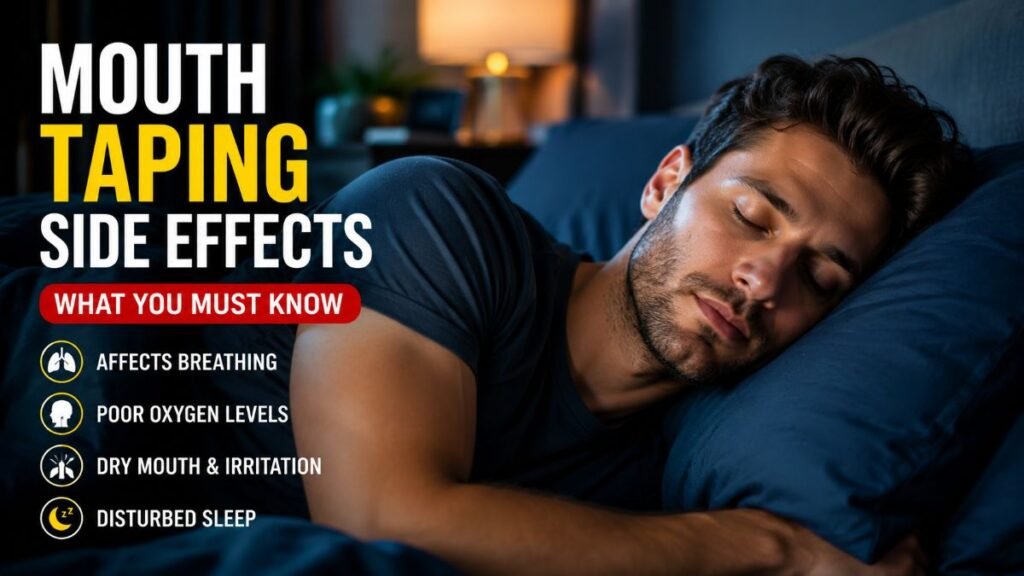
Waking up with a dry mouth and a groggy brain feels like a modern epidemic. Social media influencers are currently championing a simple piece of tape across the lips as the ultimate “sleep biohack” to force nasal breathing, promising deeper REM cycles and boundless morning energy. But before you stick an adhesive strip over your airway, it’s vital to pause and consider the physiological reality. Is this a life-changing health upgrade, or are we ignoring serious mouth taping side effects in pursuit of a trend? In this evidence-based deep dive, we cut through the hype to explore what actually happens when you seal your lips at night.
 The Physiological Argument: Why People Are Taping
 The Physiological Argument: Why People Are Taping
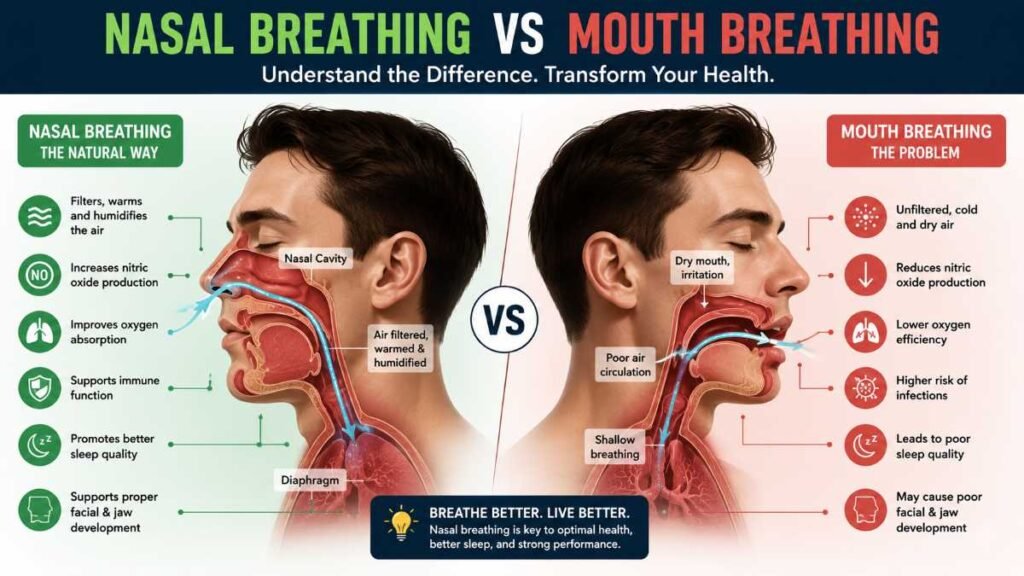
The premise is simple: humans are anatomically designed to be nasal breathers. When we mouth-breathe during sleep, we bypass the body’s natural air filtration, humidification, and nitric oxide production systems. Nasal breathing acts as a vagus nerve exercise regulator, potentially shifting the nervous system into a parasympathetic state, which is crucial for deep, restorative sleep.
However, the movement toward forced oral closure has surfaced significant concerns regarding the safety of restricting the primary emergency airway. Proponents argue that by sealing the lips, the tongue is forced to sit in its proper position against the roof of the mouth, preventing the “slump” that triggers snoring. While the theory holds merit for healthy individuals, it overlooks the complexity of nocturnal respiration. For many, mouth breathing is not just a “bad habit”—it is a biological necessity compensating for something else. If you are struggling with systemic fatigue, it is often more effective to look at simple healthy living tips rather than jumping to restrictive interventions that may overlook hidden mouth taping side effects.
Identifying the Potential Mouth Taping Side Effects
 Identifying the Potential Mouth Taping Side Effects
When you intervene with your body’s natural breathing mechanism, you aren’t just changing airflow; you are impacting your respiratory defense systems. Clinical caution is necessary.
Side Effect Type | Description | Potential Impact |
Dermatological | Adhesive-induced contact dermatitis | Skin breakdown, redness, infection |
Respiratory | Reduced oxygen saturation (Hypoxemia) | Potential for nocturnal oxygen drops |
Psychological | Anxiety or acute claustrophobia | Sleep fragmentation/disruption |
Dental | Oral microbiome imbalance | Shift in acidity and tooth enamel stress |
Mouth taping side effects are not merely anecdotal; they represent a fundamental disruption of how your body manages nocturnal breathing, especially if underlying issues exist.
The Dangerous Link: Masking Obstructive Sleep Apnea (OSA)
 The Dangerous Link: Masking Obstructive Sleep Apnea (OSA)
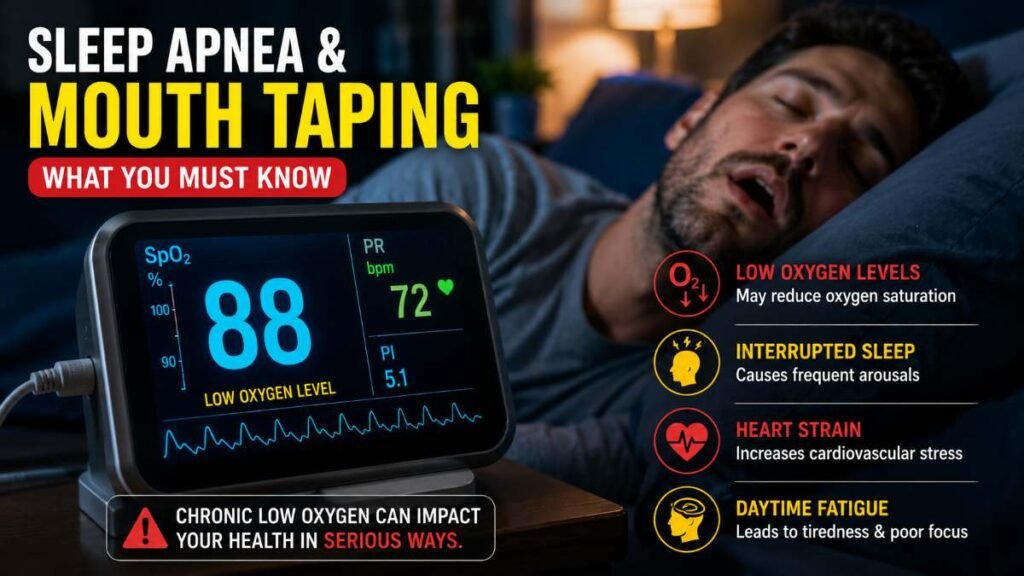
The most critical warning for anyone considering this practice is the potential to mask Obstructive Sleep Apnea. OSA is a serious condition where your airway collapses repeatedly, often due to excess tissue in the throat or anatomical narrowness. If you tape your mouth, you might prevent the audible “gasping” sound that serves as an essential warning sign, effectively muting your body’s distress signal.
By doing this, you could experience prolonged periods of oxygen deprivation (hypoxia) without ever waking up. Relying on adhesive tape when you potentially require CPAP therapy is a dangerous gamble with your long-term cardiovascular health. Sleep apnea isn’t just about snoring; it puts a massive strain on the heart, increases blood pressure, and elevates the risk of stroke. Ignoring these signs in favour of social media trends may delay appropriate medical treatment, which is clinically ill-advised.
Who Should Strictly Avoid Mouth Taping?
 Who Should Strictly Avoid Mouth Taping?
Not every body responds to restricted airflow in the same way. The risks are magnified for individuals with specific pre-existing conditions. If you have been diagnosed with:
- Deviated Septum or Chronic Congestion: You will be making breathing significantly more difficult because your primary nasal path is already compromised. Forcing air through a blocked nose can increase pulmonary pressure.
- Severe Anxiety Disorders: The sensation of having one’s mouth sealed can trigger subconscious panic attacks during the sleep-wake transition, leading to chronic sleep fragmentation.
Obesity-Related Respiratory Issues: Higher tissue density in the neck requires maximum airway efficiency, not restriction. If your airway is already narrow, taping provides no safety net. Understanding these risks is essential before you even consider the mouth taping side effects associated with your specific physiology. It is not a universal tool, and ignoring these contraindications can lead to genuine health crises during the night.
Skin Barrier Integrity and Adhesive Toxicity
 Skin Barrier Integrity and Adhesive Toxicity
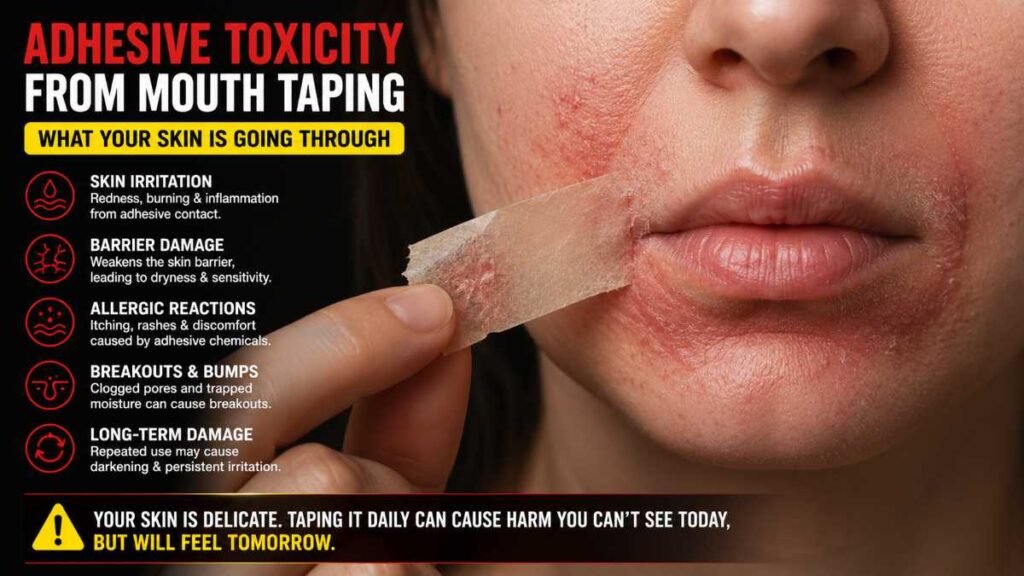
Your lips and the surrounding skin are highly sensitive areas with a thin dermal layer. Using generic duct tape, masking tape, or even non-breathable medical tape can strip the stratum corneum—the outermost layer of your skin. This leads to immediate irritation, painful breakouts, and long-term dermatological issues.
Even when considering the mouth taping side effects, many users ignore that constant adhesive application can cause premature skin aging around the perioral area, as the skin is pulled and irritated every single morning. The chemicals in standard adhesives can cause systemic reactions or chronic dermatitis, which is notoriously difficult to heal on facial skin. Always opt for specifically designed, porous, and hypoallergenic options if you must experiment, but even then, remember that skin health should be a primary concern. The skin is your first line of defense, and daily trauma to it is counterproductive.
The Nasal Congestion Paradox
 The Nasal Congestion Paradox
Often, people mouth-breathe because they are congested. Taping the mouth does not fix congestion; it forces the body to fight for air through already blocked passages. This creates an “air hunger” response where your body perceives it is suffocating, spiking your adrenaline and cortisol levels to keep you awake.
If you are interested in gut health for beginners and overall systemic health, you should know that true nasal optimization comes from addressing systemic inflammation through diet and anti-inflammatory habits, not by sealing off your backup airway. If you are prone to chronic rhinitis or sinus issues, no amount of tape will turn you into a nasal breather. You are simply adding a layer of stress to a system already struggling to maintain equilibrium. Focus on the root cause—inflammation—rather than forcing a symptom-based “hack” that ignores potential mouth taping side effects.
How to Assess Your Breathing Without Taping
 How to Assess Your Breathing Without Taping
Instead of immediate taping, assess why you are mouth breathing. Many people suffer from poor sleep due to circadian lighting issues, poor bedroom air quality, or high cortisol levels that prevent relaxation.
Before exploring mouth taping side effects, try these non-invasive steps:
- Optimize Sleeping Position: Side sleeping often opens the airway naturally by preventing the tongue from falling back.
- Elevate Your Head: Use an extra pillow to reduce gravity-induced airway collapse, which is common in those who mouth-breathe due to soft tissue relaxation.
- Humidification: Ensure your room air isn’t too dry, which causes the initial dryness that triggers mouth breathing in the first place.
- Environment: Assess the room temperature; if it is too hot, your body will instinctively mouth-breathe to expel internal heat more effectively.
Evaluating the Scientific Evidence
 Evaluating the Scientific Evidence
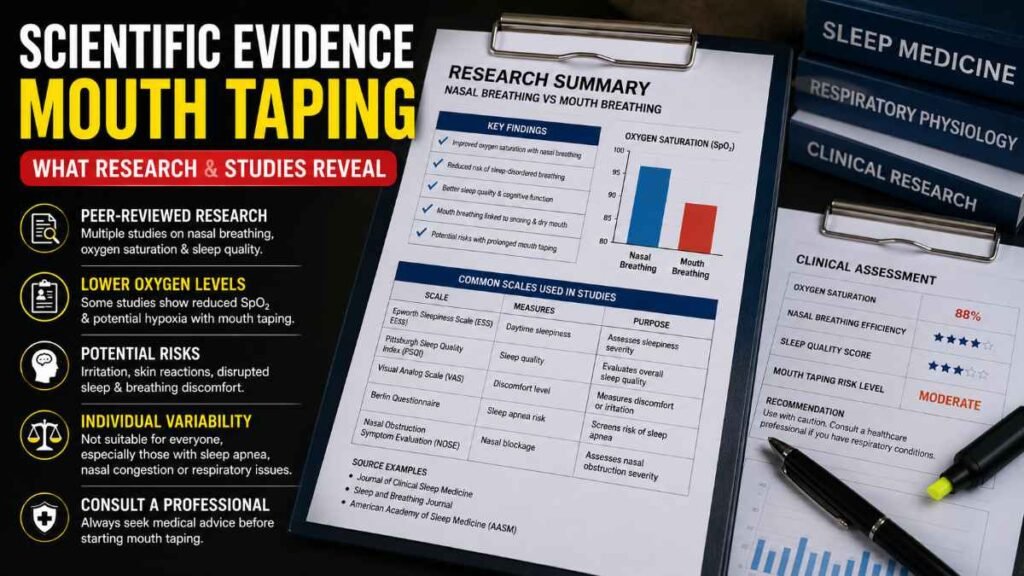
The scientific community is still divided on the efficacy of oral appliances. While some limited studies suggest nasal breathing increases nitric oxide production—a natural vasodilator that improves circulation—forced taping has not been validated in large-scale clinical trials as a universal cure for sleep-disordered breathing.
Most experts suggest that if you are constantly mouth breathing, you should visit a private GP or specialist to rule out anatomical obstructions like polyps, enlarged turbinates, or a severely deviated septum. Relying on anecdotal evidence found on social media is the opposite of clinical practice. The lack of standardized protocols means you are essentially your own test subject, and without proper monitoring, you have no way to know if your sleep quality is actually improving or if you are simply ignoring the mouth taping side effects that indicate struggling respiratory function.
Expert Protocol: A Safer Approach to Nasal Breathing
 Expert Protocol: A Safer Approach to Nasal Breathing
If you want the benefits of nasal breathing without the risks of mouth taping side effects, treat the root cause:
- Pre-Sleep Decongestion: Use a sterile saline rinse to clear nasal passages just before getting into bed.
- Myofunctional Exercises: These specific exercises strengthen the tongue, throat, and jaw muscles, training them to keep the airway open naturally.
- Monitoring: Use a high-quality wearable that tracks blood oxygen saturation () throughout the night. If your oxygen levels stay stable, you might be a candidate for lighter measures, but always consult a pro first.
- Oral Appliances: If you have mild issues, a professionally fitted mandibular advancement device (MAD) is a far safer, evidence-backed alternative to taping your lips shut.
Long-Term Health and Biological Vitality
 Long-Term Health and Biological Vitality
True vitality is built on sustainable, scientifically sound habits, not aggressive, short-term hacks. If your sleep is consistently poor, it might be due to metabolic flexibility issues or hormonal imbalances rather than just your breathing posture. Don’t let a fleeting TikTok trend jeopardize your long-term health.
Protecting your airway is a non-negotiable aspect of any serious longevity strategy. Investing in your health means taking the time to understand your unique biology rather than blindly following instructions that may work for others but could be harmful to you. Sustainability is the hallmark of any high-performance athlete or busy professional. You cannot “hack” your way out of a physiological deficiency that requires proper medical attention, lifestyle reform, or a balanced, nutrient-dense diet, especially when avoiding unknown mouth taping side effects.
Final Verdict: Proceed with Extreme Caution
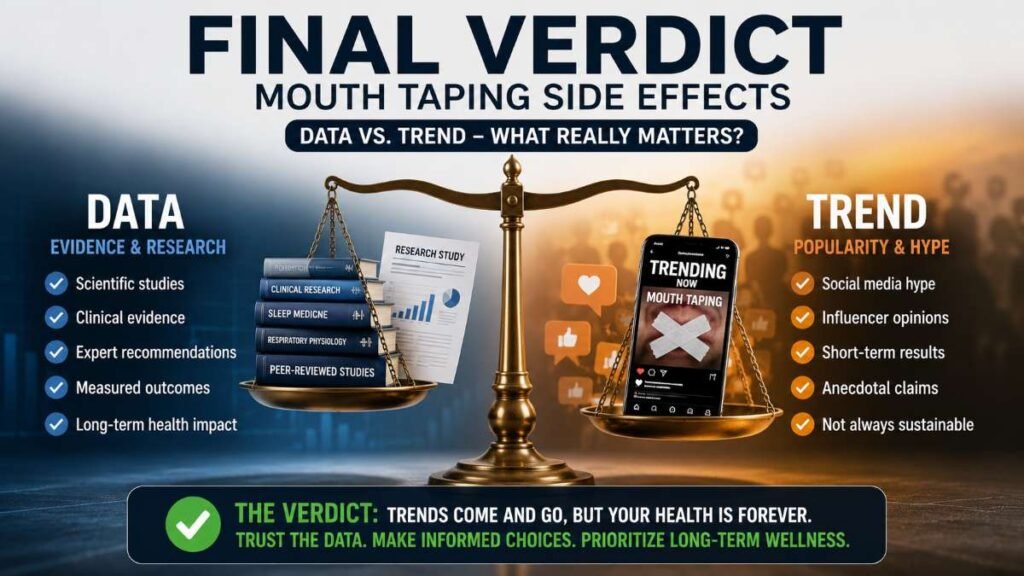
The trend is alluring, but the medical reality is sobering. For many, the mouth taping side effects far outweigh the perceived benefits of slightly deeper sleep. If you are struggling with sleep, stop looking for “hacks” and start looking at your biological markers. Focus on holistic health, proper hydration, and evidence-based medical diagnostics.
Frequently Asked Questions
Q: Is mouth taping safe for everyone?
A: No. It is not safe for those with sleep apnea or severe congestion. Always consult a specialist to understand potential mouth taping side effects before trying it.
Q: Can mouth taping cure my snoring?
A: While it may reduce snoring caused by mouth breathing, it can mask serious health issues. Ignoring these signs may increase your risk of hidden mouth taping side effects.
Q: What kind of tape should I use for mouth taping?
A: Never use duct tape. If you must experiment, use only porous, hypoallergenic medical tape designed for skin to minimize any adverse mouth taping side effects.
Q: How do I know if I have sleep apnea?
A: Symptoms include chronic fatigue, morning headaches, and gasping for air at night. See a sleep specialist for a formal diagnosis instead of relying on “biohacks.”
Key Takeaways for Your Sleep Routine
- Consult a Professional: Never tape if you suspect you have Sleep Apnea.
- Skin Care: If you experience any redness or irritation, stop immediately.
- Focus on Root Causes: Address congestion through diet and lifestyle first.
- Data-Driven: Use oxygen tracking devices to understand your nocturnal breathing patterns.
By prioritizing informed decisions over trends, you ensure that your path to better sleep is both effective and, most importantly, safe.
✍️👤 About the Author
Dambar R. is a dedicated wellness researcher and the visionary founder of MyHealthyLifeUK. With over a decade of hands-on experience in metabolic science and practical nutrition, he specializes in creating sustainable health transformations for modern lifestyles.
Based on his extensive research, Dambar empowers individuals across the UK and USA to reach their peak fitness goals through science-backed health tips without sacrificing the joy of everyday eating. His mission is to bridge the gap between complex health data and actionable habits that foster long-term vitality and holistic wellness.
⚠️ Medical Disclaimer
The information provided on MyHealthyLifeUK is for educational and informational purposes only. It is not intended to be a substitute for professional medical advice, diagnosis, or treatment.
- Professional Guidance: Always seek the advice of your Physician (GP) or another qualified health provider regarding any medical condition.
- Specialized Advice: For personalized dietary needs, we recommend consulting a Registered Dietitian.
- Safety First: Consult a professional before starting any new fitness or nutrition program.
Never disregard professional medical advice or delay seeking it because of something you have read on this website.