
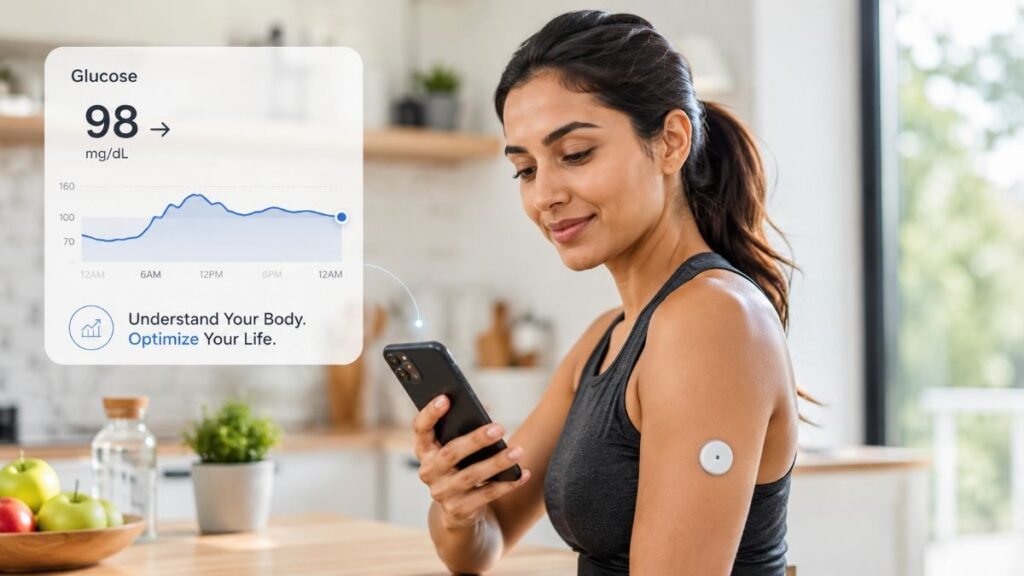
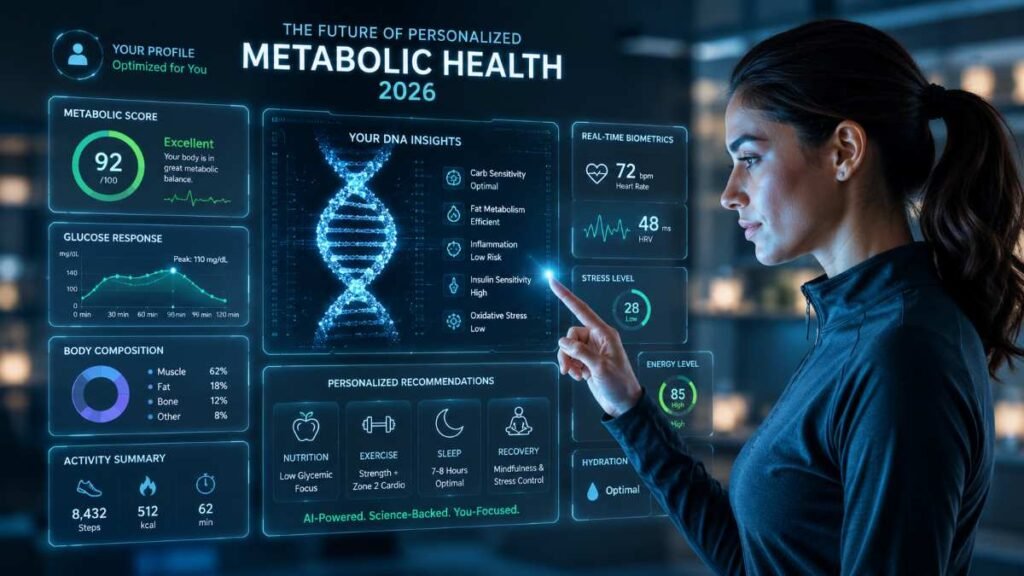
“Ever wondered why you feel energized after one meal, yet experience a frustrating ‘brain fog’ slump after another? For most people, the cause remains a mystery. While blood sugar monitoring was traditionally reserved for diabetes management, using a CGM for non-diabetics has become the 2026 gold standard for personal health. By using a Continuous Glucose Monitor (CGM) as a metabolic mirror, you can turn your body into a real-time data lab. Stop guessing about your nutrition and start optimizing your energy, mood, and long-term vitality through science-backed, data-driven precision.”
 Beyond Diabetes: The New Era of Metabolic Awareness
 Beyond Diabetes: The New Era of Metabolic Awareness
Most individuals assume their glucose levels are “normal” in the absence of a diabetes diagnosis. However, functional medicine clinicians often view “normal” through a broader lens, recognizing that optimal glucose control is a pillar of longevity.”Monitoring your blood glucose via a CGM for non-diabetics is no longer just for medical emergencies. It is a premium health tool that empowers you to master your internal biology and achieve sustainable, data-driven longevity starting today.”
Why Glucose Stability Matters
- Cognitive Clarity: Sharp glucose oscillations—spikes followed by rapid drops—are frequently associated with “brain fog” and diminished afternoon concentration.
- Hormonal Regulation: Maintaining steady insulin levels is vital for endocrine health, particularly for those managing PCOS or metabolic-related hormonal imbalances.
- Systemic Health: Chronic glucose surges can promote systemic inflammation, a process increasingly recognized as a contributor to accelerated cellular aging.
Marker | Clinical Diabetic Range | Functional Optimal Range |
Fasting Glucose | >126 mg/dL | 70–90 mg/dL |
Post-Meal Peak | >200 mg/dL | <120 mg/dL |
Glucose Variability | High / Erratic | Low / Stable |
The Mechanics of the "Glucose Spike"
 The Mechanics of the "Glucose Spike"
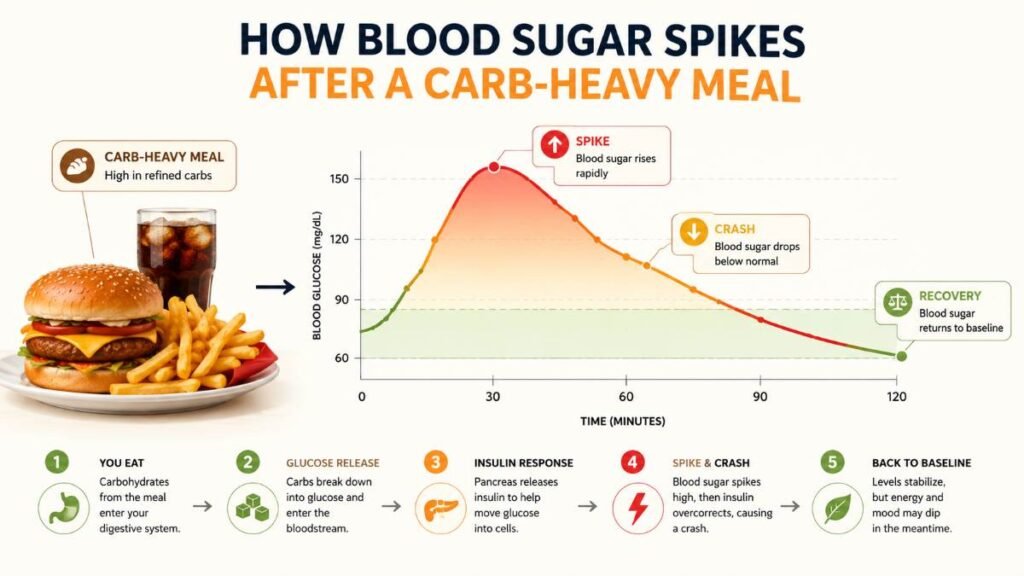
When you consume refined carbohydrates or simple sugars, blood glucose levels typically rise. The pancreas secretes insulin to help transport this glucose into cells. Frequent, excessive spikes can eventually lead to decreased insulin sensitivity, even in individuals who maintain a healthy weight.”Every time you eat, your body reacts uniquely. By using a CGM for non-diabetics, you gain exclusive insight into these glucose spikes, allowing you to refine your diet for consistent energy and peak mental clarity.”
A Continuous Glucose Monitor (CGM) for non-diabetics: why do it? helps identify these subtle patterns that annual blood tests often miss. By visualizing your glucose curve, you can prevent the “rollercoaster” effect that frequently dictates your energy levels.
Instead of seeing glucose as just “sugar,” think of it as a metabolic stressor. Each significant spike can trigger an oxidative response. Over time, these recurring stressors may contribute to cellular inflammation. Using a CGM provides the immediate feedback loop necessary to modify eating behaviors in a way that minimizes these stressors, effectively helping to protect your vascular and metabolic health.
Real-Time Biofeedback: Your Metabolism, Revealed
 Real-Time Biofeedback: Your Metabolism, Revealed
A CGM serves as a bridge between abstract nutritional advice and your own unique biological response.”Imagine having a personal metabolic coach on your wrist. A CGM for non-diabetics provides the real-time biofeedback required to optimize your nutrition, ensuring your body functions at its absolute best throughout your busy, high-performance workday.”
- Identifying Trigger Foods: A food considered generally “healthy” may provoke a significant glucose response in your specific system. Identifying these personal triggers allows for precise dietary adjustments.
- Exercise Synergy: Observational data from CGM users often shows how resistance training or walking can facilitate glucose uptake in muscles, effectively flattening the post-meal curve.
- Stress Correlation: Cortisol-driven glucose release is real. Monitoring allows you to correlate high-stress moments with metabolic data, highlighting the need for stress management.
This real-time feedback removes the guesswork from your eating habits, shifting your focus from ‘blind dieting’ to precise, data-driven metabolic management. You are no longer guessing; you are modulating your chemistry based on objective data. Even simple actions, like a brief walk after dinner, become measurable interventions that you can verify in real-time.
2026: The Age of Data-Driven Lifestyle Choices
 2026: The Age of Data-Driven Lifestyle Choices
In 2026, sensors have evolved to be smaller, more intuitive, and highly accurate. Understanding the role of 5 best continuous glucose monitors allows you to integrate metabolic data into your broader health strategy.
“A CGM is not just a tool; it is a metabolic mirror. It provides the accountability necessary to understand how your environment influences your internal biology.” — Clinical Editorial Team
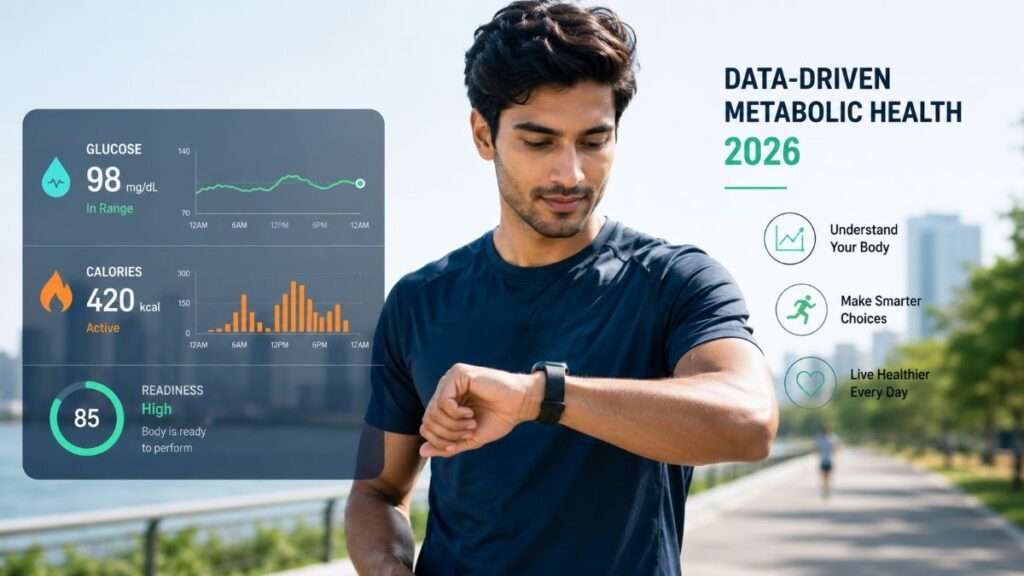
As health technology advances, sensors have become a seamless part of daily life. By integrating this data into your health dashboard, you gain a longitudinal view of your well-being. You might observe how poor sleep quality correlates with higher fasting glucose the following day, reinforcing the objective need for restorative rest. This shift marks a transition from reactive care to proactive, data-informed living.
Improving Energy and Cognitive Focus
 Improving Energy and Cognitive Focus
Many wonder if using a Continuous Glucose Monitor (CGM) is worthwhile for individuals without diabetes; the answer largely lies in the immediate cognitive and energy benefits. is most frequently answered by the improvements in daily cognitive focus. Stable energy allows for sustained concentration without the reliance on stimulants. Integrating a neuro-nutrients guide 2026 while monitoring glucose levels can maximize your mental output.
“Do you struggle with afternoon slumps? Stable blood sugar is the secret to cognitive endurance. A CGM for non-diabetics helps you identify and eliminate the specific dietary triggers that steal your focus, energy, and daily productivity.”
When glucose fluctuates wildly, the brain experiences “energy insecurity,” as it must frequently adjust its primary fuel source. By maintaining steady levels through CGM-informed choices, you provide your brain with a consistent supply of ATP. This stability is often the key to moving from a state of scattered focus into a consistent flow state.
Metabolic Flexibility: The Foundation of Remission
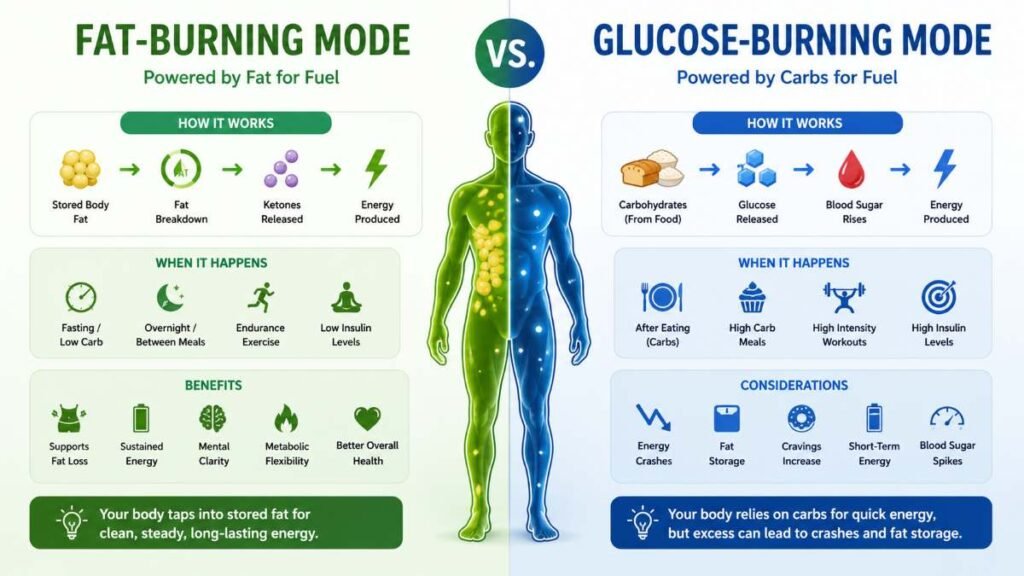
Metabolic flexibility is the body’s capacity to switch efficiently between burning glucose and fats as fuel. When the system is chronically stuck on glucose, fat-burning pathways often become underutilized. A metabolic flexibility blueprint combined with CGM monitoring helps you train your body to utilize stored energy more effectively.
Modern lifestyles, characterized by frequent snacking, keep insulin levels chronically elevated. Using a CGM shows you how long it actually takes for your system to return to a baseline state after a meal. Learning to space meals appropriately allows insulin to drop, naturally encouraging the body to access its own fat stores.
Actionable Steps: Optimizing Your CGM Data
 Actionable Steps: Optimizing Your CGM Data
Once you begin monitoring, use these strategies to improve your metabolic response: “Data is only useful if you act on it. By using a CGM for non-diabetics, you can scientifically validate which lifestyle tweaks—like food sequencing or post-meal walks—have the most profound impact on your personal metabolic health and long-term vitality.”
- Strategic Sequencing: Prioritize fiber (vegetables) and protein before consuming starches to blunt glucose peaks.
- Post-Meal Activity: A 10-minute walk after meals is a proven method to assist glucose uptake into muscles.
- Protein at Breakfast: Starting the day with high-quality protein helps set a stable glucose baseline for the hours that follow. See healthy high-protein foods for fat loss.
- Personalized Logging: Record your meals and physical activities to understand your body’s unique patterns. It’s not about perfection; it’s about learning how your system responds to different variables.
Misconceptions About CGM Utility
 Misconceptions About CGM Utility
- “It’s only for those with health issues.” Proactive monitoring is an insurance policy for metabolic health.
- “It’s just about calorie counting.” It is not; it is about hormonal signaling and metabolic health.
- “It’s an unnecessary expense.” Consider the long-term potential of avoiding chronic metabolic disease by intervening today.
Waiting for a diagnostic flag is an outdated strategy. Using a CGM while you are metabolically healthy is a proactive measure. We are entering an era where patients act as partners in their health journey, utilizing data to ensure longevity.
Frequently Asked Questions
Q: Why should a non-diabetic use a CGM? A: Using a CGM for non-diabetics provides actionable, real-time data to support metabolic health, optimize energy, and deeply understand personal dietary responses.
Q: How long is a typical trial? A: Most experts suggest a 2–4 week period to establish a reliable baseline of your dietary and lifestyle habits while using a CGM for non-diabetics.
Q: Is the application uncomfortable? A: The sensors use a specialized applicator and a very fine filament; most users report minimal to no discomfort during application.
The Future of Personalized Health
 The Future of Personalized Health
As of 2026, personalized health is transitioning into the standard of care. Using a Continuous Glucose Monitor (CGM) for non-diabetics: why do it? The answer lies in the value of understanding your unique metabolic fingerprint.”The year 2026 demands a smarter approach to wellness. Integrating a CGM for non-diabetics into your routine gives you the actionable intelligence needed to craft a truly personalized health blueprint that stands the test of time.”
By utilizing a nutrition guide for beginners and making adjustments based on your own data, you are proactively securing your health for the future. The goal is not merely to track data, but to use that knowledge to build a foundation of long-term vitality.
Evidence-Based Research Resources:
✍️👤 About the Author
Dambar R. is a dedicated wellness researcher and the visionary founder of MyHealthyLifeUK. With over a decade of hands-on experience in metabolic science and practical nutrition, he specializes in creating sustainable health transformations for modern lifestyles.
Based on his extensive research, Dambar empowers individuals across the UK and USA to reach their peak fitness goals through science-backed health tips without sacrificing the joy of everyday eating. His mission is to bridge the gap between complex health data and actionable habits that foster long-term vitality and holistic wellness.
⚠️ Medical Disclaimer
The information provided on MyHealthyLifeUK is for educational and informational purposes only. It is not intended to be a substitute for professional medical advice, diagnosis, or treatment.
- Professional Guidance: Always seek the advice of your Physician (GP) or another qualified health provider regarding any medical condition.
- Specialized Advice: For personalized dietary needs, we recommend consulting a Registered Dietitian.
- Safety First: Consult a professional before starting any new fitness or nutrition program.
Never disregard professional medical advice or delay seeking it because of something you have read on this website.