
🧠The Body’s Secret Reset Button
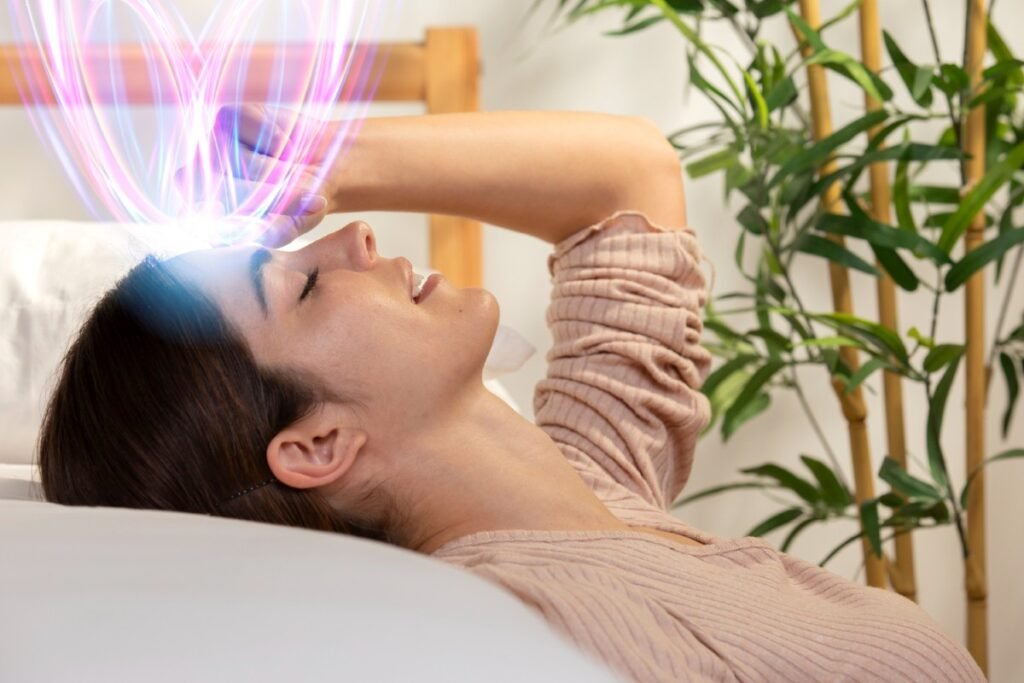
Ever felt like your brain has “too many tabs open” and you just can’t find the exit? Imagine silencing that inner chaos and dissolving anxiety in seconds. That power is already inside you, tucked away in the Vagus Nerve—your nervous system’s primary superhighway. Known as “The Wanderer,” it links your brain to every major organ, acting as a natural remote control for calm.
Mastering Vagus Nerve Exercises allows you to improve your Vagal Tone, manually switching your body from “survival mode” to instant peace. Ready to reclaim your focus? Let’s unlock your biological reset button.
🧬 Anatomy & Physiology: Mapping the Tenth Cranial Nerve
Cranial nerve X, commonly called the vagus nerve, is the longest nerve in the autonomic system and plays a key role in carrying signals back and forth between the brain and the body.
Interestingly, about 80% of the nerve’s fibres are sensory. This means they are constantly sending information from your organs back to your brain for processing.
This makes the vagus nerve the “CEO” of the gut-brain axis. It is responsible for monitoring internal states to decide whether the body is safe or under threat.
Organ Connection Table:
| Organ | Vagus Nerve Function | Potential Impact of Exercises |
|---|---|---|
| Brain | Regulates mood and anxiety | May reduce stress and brain fog |
| Heart | Controls Heart Rate Variability (HRV) | Supports healthy heart rate & blood pressure |
| Lungs | Manages respiratory rate | Encourages deeper breathing |
| Gut | Stimulates digestive enzymes | May improve motility and IBS relief |
| Liver | Controls glucose homeostasis | Supports blood sugar regulation |
Utilising specific vagus nerve exercises targets these pathways. This helps ensure that the communication between your gut and your brain remains clear.
Beyond these organs, the nerve also interacts with the spleen. This is associated with managing the body’s inflammatory response, acting as a natural support for immune health.
💙Why Stimulate the Vagus Nerve? (Associated Health Benefits)
Stimulating this nerve is a practice backed by clinical neuroscience. Improving your “Vagal Tone” offers a myriad of benefits that extend beyond mere relaxation.
High vagal tone is associated with better emotional intelligence. The nerve is physically linked to the muscles we use for facial expression and vocalisation.
Key Benefits of Vagus Nerve Exercises for Anxiety and Health:
- Emotional Resilience: Higher vagal tone is associated with the ability to recover from stressful situations more quickly.
- Inflammation Support: The Vagus Nerve may help manage the “Cholinergic Anti-inflammatory Pathway,” which is linked to reduced chronic pain.
- Digestive Wellness: It can stimulate the production of stomach acid and enzymes, which may prevent bloating.
- Mental Health Support:
o Associated with a reduction in cortisol (the stress hormone).
o May support the management of symptoms related to PTSD and depression.
o Can support the production of GABA, a neurotransmitter that induces calmness.
Furthermore, the nerve acts as a regulator for insulin secretion. By performing regular vagus nerve exercises, you are supporting your metabolic health and helping your body maintain a stable internal environment.
⚠️Diagnostic Section: Signs Your Vagus Nerve Needs Support
Before jumping into the movements, it is essential to identify if you have signs of “Low Vagal Tone.” This usually means the nerve is underactive.
In such cases, the sympathetic nervous system (fight or flight) may run without checks or balances. This is often associated with “Burnout,” where the body feels exhausted but the mind is stuck in high anxiety.
Symptoms Checklist
- Difficulty swallowing or a constant “lump” in the throat.
- Chronic digestive issues such as IBS, acid reflux, or SIBO.
- High resting heart rate or frequent palpitations.
- Chronic fatigue even after getting adequate sleep.
- Difficulty regulating emotions (feeling easily angered or anxious).
- Excessive sensitivity to loud noises or very bright lights.
- A “flat” vocal tone or lack of expressive facial movement.
If you checked more than three boxes, incorporating vagus nerve stimulation techniques into your routine may be beneficial.
Recognising these signs early can support long-term cardiovascular wellness. A lack of vagal tone is often considered a risk factor for heart-related stress and chronic inflammatory conditions.
📋Top 15 Vagus Nerve Exercises: Step-by-Step Instructions
Category A: Breathwork and Vocal Stimulation
- The 4-7-8 Relaxing Breath
This is a core technique for anyone learning vagus nerve exercises for anxiety.
- Inhale quietly through the nose for a count of 4.
- Hold your breath for a count of 7.
- Exhale forcefully through the mouth with a “whoosh” sound for a count of 8.
- Pro-Tip: Ensure your tongue is resting against the ridge behind your upper front teeth during the exercise.
- Deep Humming or Chanting (OM)
- Sit comfortably and take a deep breath.
- As you exhale, make a loud, vibrating “Mmm” sound.
- Feel the vibration in your chest and throat. The Vagus Nerve passes right by the vocal cords, and this vibration can physically stimulate the nerve fibres.
- Vigorous Gargling
- Take a sip of water and gargle forcefully for 30–60 seconds.
- Pro-Tip: You should gargle until your eyes water slightly. This is often a sign of a successful vagal trigger.
Category B: Physical Movements and Ocular Resets
- The Basic Exercise (The Rosenberg Method)
This is one of the most effective vagus nerve stimulation techniques for physical reset.
- Lie on your back and interlace your fingers behind your head.
- Without turning your head, look as far to the right as possible with your eyes only.
- Hold until you feel a sigh, yawn, or swallow (usually 30–60 seconds). Repeat on the left side.
- Auricular (Ear) Massage
- Using your index finger, gently massage the “Concha”—the hollow part above the ear canal.
- Move in slow, circular motions for 2 minutes on each side. This area is supplied by the Auricular branch of the Vagus Nerve.
- Cold Water Face Immersion
- Submerge your face in a bowl of ice-cold water for 15 seconds.
- This may trigger the “Mammalian Dive Reflex,” which is associated with instantly slowing the heart rate via the vagus nerve.
Category C: Advanced Vagal Toning
- Diaphragmatic Release: Deep belly breathing where the stomach expands on the inhale to support the lower vagal branches.
- Tongue Stretching: Sticking the tongue out as far as possible for 10 seconds while looking up to stimulate the throat.
- Salamander Stretch: Tilting the head to the shoulder while looking in the opposite direction to release tension.
- Foot Reflexology: Massaging the arch of the foot, which is associated with the parasympathetic system.
- Soft Palate Activation: Using a clean finger to gently stroke the back of your throat to induce a tiny “pre-gag” reflex.
- Laughing: Genuine, deep belly laughter may stimulate the nerve through rhythmic chest vibrations.
- Singing Loudly: This requires air control, which encourages the vagus nerve to help regulate the heart.
- Solar Plexus Massage: Gently massaging the area just below the sternum in clockwise circles to aid digestion.
Alternate Nostril Breathing: A traditional technique that may help balance the two halves of the nervous system.
🔥The 7-Day Vagus Nerve Reset Challenge
The key to success with these exercises is not the intensity, but the consistency. Your nervous system responds best to regular, gentle “reps.”
This 7-day challenge is designed to show you how to stimulate vagus nerve pathways using different modalities.
Day | Focus | Exercise | Duration |
Day 1 | Breath | 4-7-8 Breathing | 3 Rounds, 3x daily |
Day 2 | Vibration | Humming & Chanting | 5 Minutes, Morning |
Day 3 | Ocular | The Rosenberg Reset | Before bed for sleep support |
Day 4 | Sensory | Cold Splash / Cold Shower | During morning routine |
Day 5 | Throat | Gargling Forcefully | After brushing teeth |
Day 6 | Ears | Auricular Massage | During lunch break |
Day 7 | Synergy | Combine Breath + Eye Reset | 15 Minutes total |
By the end of this week, you may notice a subtle shift in your baseline level of calm. You might find that you are less reactive to daily frustrations.
To keep this momentum, choose your favourite vagus nerve stimulation techniques and make them a permanent part of your daily ritual.
🤖Advanced Biohacking: Tech and Vagus Nerve Stimulation (VNS)
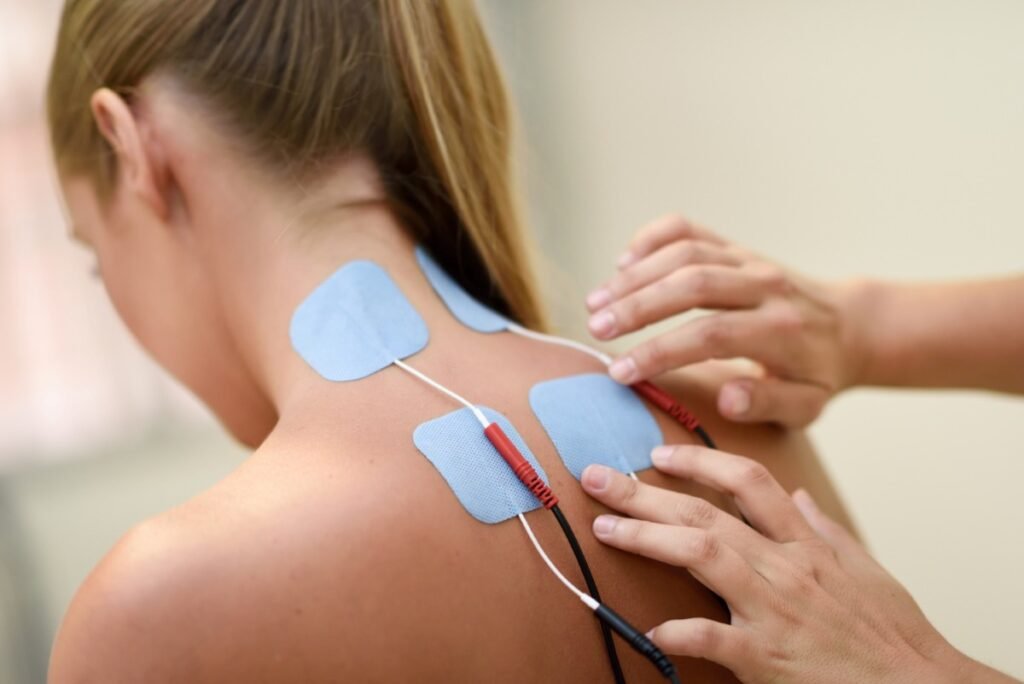
While natural vagus nerve exercises are the foundation, technology now offers “External Vagus Nerve Stimulators” (tVNS).
These devices deliver mild electrical pulses or vibrations to the nerve via the ear or neck. They are popular in the biohacking community for stress management.
Tech-based stimulation can be useful for those who find it difficult to “feel” the effects of breathing initially. Devices like Sensate or Apollo Neuro use haptic vibrations to support the nerve.
However, it is vital to remember that technology should complement natural methods. Natural vagus nerve exercises for anxiety help your brain learn to regulate itself independently over time.
❌ Common Mistakes to Avoid
When people first start with vagus nerve exercises, they often approach them with a “hustle” mentality. This can be counterproductive.
The vagus nerve responds best to softness, slow movements, and patience. Avoid these common pitfalls:
- Forcing the Breath: Never strain your lungs. The practice should feel relaxing, not like a struggle for air.
- Inconsistency: Doing these once a week is unlikely to change your vagal tone. You need daily “micro-doses” of calm.
- Ignoring the Gut: If you consume highly inflammatory foods, you may be working against your exercises. Support your nerve with a healthy diet.
Aim for “micro-habits”—30 seconds of humming every day is often more effective than an hour-long session once a month.
🥗The Diet-Vagus Connection: Nutrition for Nerve Health
You cannot achieve a resilient nervous system without looking at what you eat. The vagus nerve is essentially “plugged in” to your gut lining.
Certain bacteria in your gut produce neurotransmitters like serotonin and GABA. The vagus nerve senses these and reports the “safety status” back to the brain.
Nutritional Support for Vagus Nerve Stimulation:
- Fermented Foods: Kimchi, Sauerkraut, and Kefir populate the gut with beneficial bacteria.
- Omega-3 Fatty Acids: Found in oily fish, these are essential for the myelin sheath—the protective coating around your nerves.
- High-Fiber Vegetables: These produce short-chain fatty acids (SCFAs), which are associated with anti-inflammatory effects on nerve endings.
By combining the right nutrition with your vagus nerve exercises, you create a synergy that supports mental clarity and long-term calm.

💭 Psychology and the Vagus Nerve: Bottom-Up Support
Traditional psychology often focuses on “Top-Down” healing—talking through problems to change how the body feels.
However, vagus nerve exercises for anxiety introduce “Bottom-Up” support. By changing the state of the body first, you can influence the state of the mind.
When the vagus nerve is stimulated, it sends a signal to the amygdala (the brain’s fear center) that the environment is safe. This may help lower adrenaline levels.
Over time, this approach can help the brain re-categorize triggers. By physically practicing “safety” in your body, you are supporting your subconscious in releasing old patterns of hyper-vigilance.
❓ Frequently Asked Questions
Q1: Can I do these exercises while lying down?
Yes, many ocular and breathing resets are very effective when lying flat on your back, as it allows for full diaphragmatic movement.
Q2: When can I expect to see results?
Some people feel relaxed right away, but consistent daily practice over 2–4 weeks is typically needed to notice more lasting changes.
Q3: Is it safe for everyone?
Generally, yes. However, if you have severe heart conditions, a history of fainting, or are pregnant, consult your GP before starting vigorous cold immersion or breath-holding.
✨Empowerment Through Connection
Mastering vagus nerve exercises is one of the most empowering things you can do for your wellbeing. You no longer have to feel like a victim of your stress response.
By using the breath, sound, and movement, you can actively signal your brain that you are safe. Start with just one exercise today—perhaps the humming or the eye reset.
Watch as your body begins to transition from a state of tension to one of balance. Your nervous system has the ability to adapt; you just need to provide the right signals.
✍️ About the Author
Dambar R. is a dedicated wellness researcher and the visionary founder of MyHealthyLifeUK. With over a decade of hands-on experience in metabolic science and practical nutrition, he specializes in creating sustainable health transformations for modern lifestyles.
Based on his extensive research, Dambar empowers individuals across the UK and USA to reach their peak fitness goals through science-backed health tips without sacrificing the joy of everyday eating. His mission is to bridge the gap between complex health data and actionable habits that foster long-term vitality and holistic wellness.
⚠️ Medical Disclaimer
The information provided on MyHealthyLifeUK is for educational and informational purposes only. It is not intended to be a substitute for professional medical advice, diagnosis, or treatment.
- Professional Guidance: Always seek the advice of your Physician (GP) or another qualified health provider regarding any medical condition.
- Specialized Advice: For personalized dietary needs, we recommend consulting a Registered Dietitian.
- Safety First: Consult a professional before starting any new fitness or nutrition program.
Never disregard professional medical advice or delay seeking it because of something you have read on this website.