

Are you struggling with persistent fatigue or plateauing gains despite a solid training routine? If you’re relying solely on a generic protein shake post-workout, you are missing a critical metabolic window. To truly optimize your performance and healthspan, you must master the science of Post-workout glycogen replenishment. This process is the cornerstone of recovery, ensuring your body is primed, fuelled, and resilient for your next session. In this guide, we dive deep into the physiology of recovery, tailored for those who demand expert-grade results from their fitness regimen.
Stop guessing your way to health. Start by optimizing your foundation with these Simple Healthy Living Tips and join the movement of people in the UK taking control of their biological destiny today!
 The Metabolic Necessity of Post-workout glycogen replenishment
 The Metabolic Necessity of Post-workout glycogen replenishment
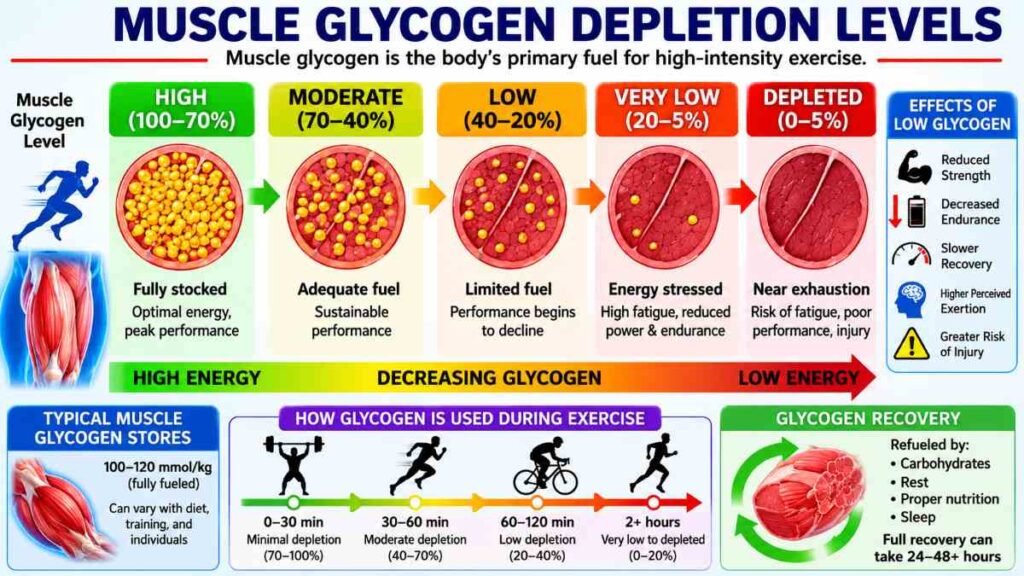
When you engage in high-intensity training, your muscles rapidly deplete their primary fuel source: glycogen. Post-workout glycogen replenishment is the physiological process of restoring these intracellular energy stores. Research published in the Journal of Applied Physiology confirms that muscle glycogen is the limiting factor in prolonged high-intensity exercise. Failing to manage this leaves your body in a catabolic state, breaking down muscle tissue. For those looking to understand the broader impact on their metabolic health, checking the Metabolic Flexibility Blueprint is an excellent starting point.
- Glycogen Depletion Kinetics: Studies demonstrate that high-intensity exercise can deplete muscle glycogen by up to 35-40% in a single session.
- Hormonal Regulation: Strategic intake post-training suppresses the cortisol-induced muscle protein breakdown, a finding supported by data from the National Strength and Conditioning Association.
- Metabolic Rate Preservation: Efficient replenishment prevents the metabolic slowdown often seen in overtrained athletes.
- Cellular Resilience: Proper glucose re-uptake mitigates oxidative damage, a critical factor for long-term healthspan.
Timing and Strategic Carbohydrate Intake in the UK
 Timing and Strategic Carbohydrate Intake in the UK
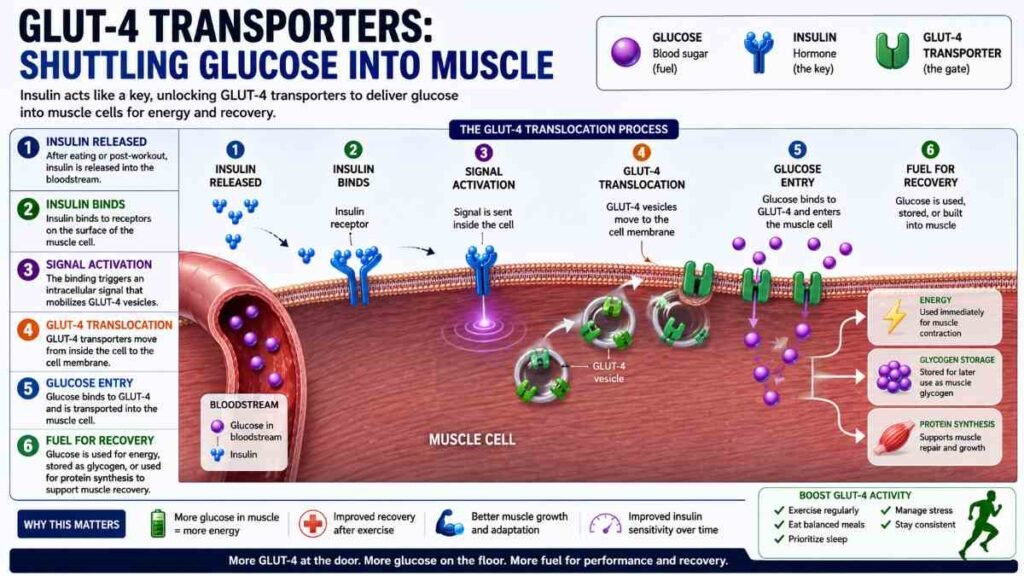
Precision is key. For most athletes, the 30 to 60-minute window post-training is optimal for initiating Post-workout glycogen replenishment. At this stage, your muscles are primed for glucose uptake through GLUT-4 translocation, independent of insulin in the earliest phase. Whether you are using oats, berries, or specific sports-focused carbohydrates, the goal is consistent, insulin-mediated recovery. Implementing Healthy Meal Prep For Weight Loss strategies allows you to have these precise, recovery-focused meals ready, ensuring you meet your nutritional targets without relying on processed alternatives.
Glycogen Recovery Reference Chart
Training Intensity | Carb Requirement (Per kg) | UK-Friendly Food Example |
High (Strength/Power) | 1.0g – 1.2g | Basmati Rice + Lean Chicken |
Moderate (Endurance) | 0.5g – 0.8g | Porridge Oats + Berries |
Low (Mobility/Walking) | 0.3g – 0.5g | Greek Yogurt + Flaxseeds |
Optimizing Insulin Sensitivity for Faster Recovery
 Optimizing Insulin Sensitivity for Faster Recovery
Insulin is arguably the most potent anabolic hormone in the human body. Properly leveraging Post-workout glycogen replenishment involves utilizing this hormone to shuttle nutrients efficiently into muscle cells. A meta-analysis in the American Journal of Clinical Nutrition indicates that the combination of protein and carbohydrates accelerates glycogen synthesis rates significantly more than carbohydrates alone. For those in the UK looking for structured advice, the Nutrition Guide For Beginners UK provides a solid foundation.
- Protein Synergistic Effect: Research confirms that adding protein to a carbohydrate bolus post-exercise can increase glycogen resynthesis by approximately 20-30%.
- GLUT-4 Translocation: Intense training physically moves GLUT-4 transporters to the cell membrane, allowing for rapid glucose entry.
- Glycaemic Index Strategy: High-GI carbohydrates (like white potato or rice) are preferred immediately post-workout to trigger a faster insulin response.
- Insulin Resistance Prevention: By restricting “insulin spikes” to the post-workout window, you maintain overall metabolic sensitivity.
“To optimize your recovery, I recommend MuscleBlaze Biozyme Performance Whey Protein PR. It packs 30g of protein, 3g of Creatine, and 50mg of AstraGin per scoop, making it a perfect choice for faster muscle repair and nutrient absorption.”
Tracking Progress via Wearable Data
 Tracking Progress via Wearable Data
In 2026, training without data is obsolete. Utilising wearable tech is essential when executing Post-workout glycogen replenishment to verify your recovery status. Heart Rate Variability (HRV) is your most reliable metric; as noted in studies on autonomic nervous system recovery, a consistent or increasing HRV trend indicates that your glycogen stores and nervous system have recovered. For more insights on how to leverage the latest technology, read about HRV Tracking Apple Watch Longevity. This allows you to adjust your carbohydrate intake based on physiological readiness rather than arbitrary numbers.
- HRV Sensitivity: A drop in HRV is often the first clinical marker of depleted glycogen and systemic fatigue.
- VO2 Max Validation: Improvements in your VO2 max over time indicate superior mitochondrial adaptation to carbohydrate fuel.
- Recovery Scoring Algorithms: Modern wearables use sleep and activity data to suggest precise carbohydrate adjustments for the following day.
- Resting Heart Rate: A steady decline in resting heart rate remains the gold-standard indicator of improved cardiovascular and metabolic recovery.
Synergistic Nutrient Pairing
 Synergistic Nutrient Pairing
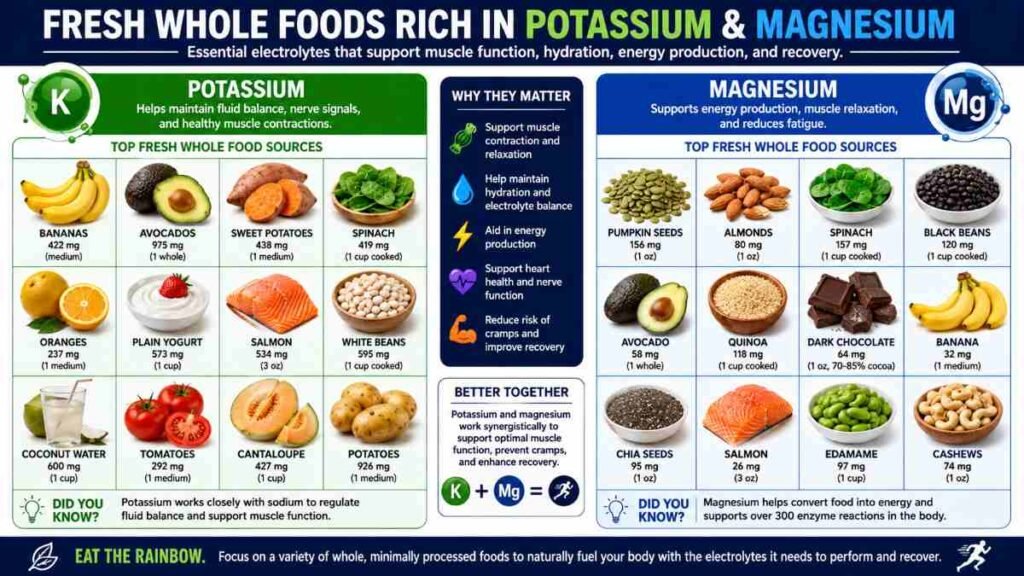
The quality of your replenishment depends on holistic nutrient integration. To support Post-workout glycogen replenishment, your diet should prioritize electrolytes alongside your carbohydrates. Potassium and magnesium are critical; the European Journal of Clinical Nutrition highlights their role in sodium-potassium pump function, which is required for glucose transport. In the UK, focusing on high-quality, whole foods is easier than ever. Additionally, incorporating Best British Herbal Teas For Digestion can support gut health, which is essential for nutrient absorption.
- Sodium-Potassium Pump: Effective glucose transport into the muscle cell is dependent on optimal electrolyte availability.
- B-Vitamin Cofactors: Vitamins B1, B2, and B3 are essential for the conversion of glucose into energy (ATP).
- Water Ratio: Maintain a 3:1 ratio of water to glycogen for maximum storage efficiency.
- Phytochemicals: Whole foods provide anti-inflammatory compounds that improve tissue healing beyond mere caloric intake.
Neurological Impacts of Energy Stores
 Neurological Impacts of Energy Stores
It is a common misconception that energy stores only affect muscles. Post-workout glycogen replenishment has profound implications for your cognitive function and neurological health. Low glycogen levels have been linked in clinical research to decreased executive function, often described as “brain fog.” For those looking to keep their mind sharp, explore the Neuro Nutrients Guide 2026 Focus Memory to see how specific nutrients work in tandem with your physical recovery to maintain peak cognitive performance throughout the day.
- Hippocampal Glucose Uptake: The brain requires a steady glucose supply to maintain synaptic plasticity, essential for long-term memory.
- Neurotransmitter Regulation: Strategic carbohydrate intake facilitates tryptophan transport across the blood-brain barrier, aiding serotonin synthesis.
- Cortisol Modulation: Proactive replenishment blunts the rise of neuro-stress hormones post-training.
- Competitive Advantage: Professionals maintaining athletic recovery standards demonstrate superior decision-making capabilities under stress.
Ready to overhaul your entire lifestyle? Stop the guesswork and master your diet with this comprehensive Master Your Diet In The UK guide to unlock your peak potential!
Overcoming Common Myths and Plateaus
 Overcoming Common Myths and Plateaus
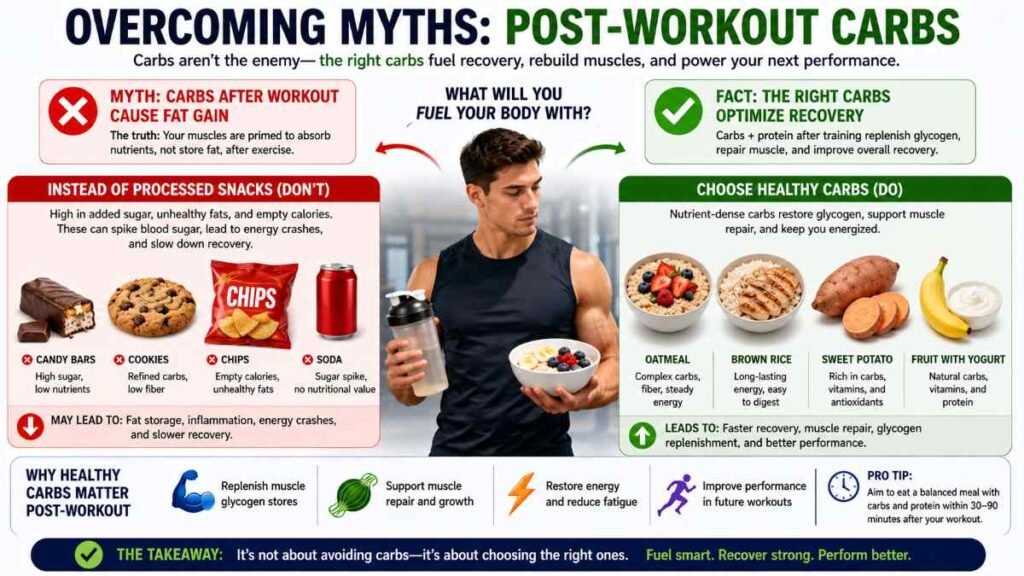
Many fear that carbohydrate intake, especially post-workout, leads to fat gain. This is a significant myth when it comes to Post-workout glycogen replenishment. According to data from the International Society of Sports Nutrition (ISSN), post-exercise carbohydrates are preferentially partitioned toward muscle recovery in trained individuals. For those struggling to balance body composition goals, Calorie Deficit Guide For Weight Loss offers a balanced perspective on how to integrate training and nutrition effectively. Trust the physiology, not the trends.
- Nutrient Partitioning: Trained muscle cells are more sensitive to insulin than adipose tissue, meaning your carbs go to your muscles first.
- Metabolic Rate: Adequate carbohydrate intake supports thyroid function, preventing the metabolic adaptation that triggers weight-loss plateaus.
- Evidence-Based Timing: Rely on physiological markers rather than arbitrary rules about not eating after a certain time of day.
- Consistency: The secret to long-term performance is the habitual execution of science-backed recovery protocols.
The Future of Bio-Optimized Living
 The Future of Bio-Optimized Living
Looking ahead, the integration of real-time monitoring and personalised nutrition will redefine Post-workout glycogen replenishment. Institutions like Harvard Health continue to highlight the importance of proactive lifestyle management. As we move into 2026, your ability to monitor your biology and adjust your intake will determine your long-term success. By applying these protocols, you are setting a new standard for your personal health, longevity, and overall vitality.
- Predictive Performance: Using current biological markers to prevent future injury or performance decline.
- Longevity Framework: Every recovery session contributes significantly to your long-term healthspan.
- Hybrid Athlete Mentality: Embracing the synergy between high-performance strength and metabolic efficiency.
Sustainable Habituation: Designing a lifestyle where high-level recovery habits become effortless and routine.
Final Verdict for Peak Performance
 Final Verdict for Peak Performance
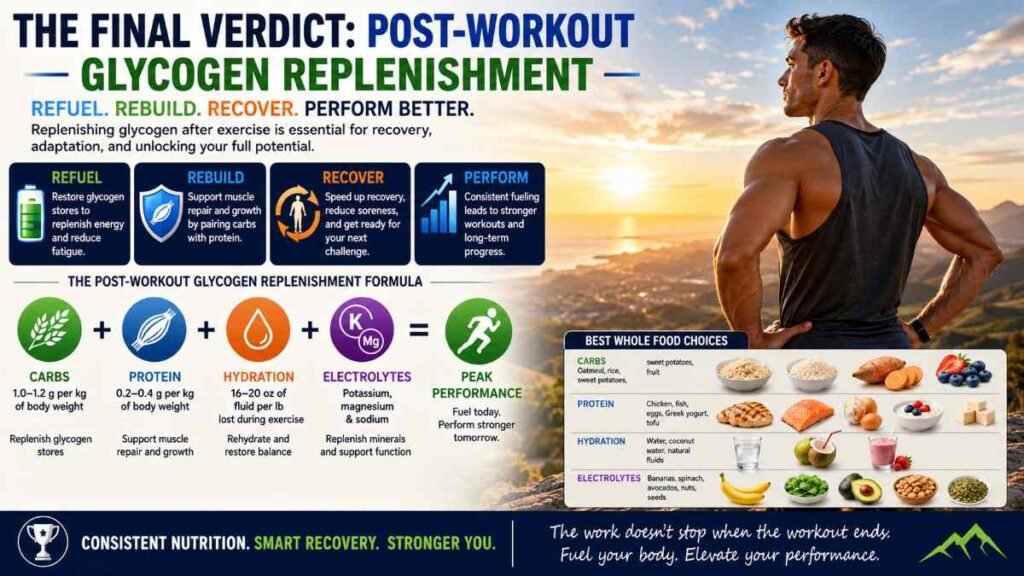
In summary, Post-workout glycogen replenishment is not merely a post-training meal; it is a strategic intervention that dictates your performance capacity and metabolic health. By mastering the timing, quantity, and quality of your nutrient intake, you transform your body into a highly efficient, resilient machine. Treat your recovery as a non-negotiable pillar of your lifestyle, and you will undoubtedly extend your years of high-performance living.
Executive Summary Table
Component | Importance | Target for UK Athletes |
Timing | Critical | 30-60 minutes post-training |
Quantity | High | 0.5g – 1.0g per kg of bodyweight |
Source | High-Quality | Whole foods, balanced with protein |
Goal | Maximum | Sustained energy, muscle repair |
“To truly maximize your recovery and see the results of your training, consistency is key. Using a high-quality, scientifically backed supplement like the MuscleBlaze Biozyme Performance Whey ensures your body gets the right nutrients exactly when it needs them for peak performance.”
FAQ: Post-workout Glycogen Replenishment
Q: How do you replenish glycogen after a workout? A: Effective post-workout glycogen replenishment involves consuming carbohydrates and protein in a 3:1 or 4:1 ratio within the first 30–60 minutes to rapidly restore energy levels.
Q: Which foods are best for rapid glycogen replenishment post workout? A: Fast-digesting carbs like white rice, bananas, and raisins are ideal for post-workout glycogen replenishment because they spike insulin quickly to kickstart muscle recovery.
Q: What are the 4 R’s of recovery? A: The 4 R’s are Refuel (glycogen stores), Repair (muscle tissue), Rehydrate (fluids/electrolytes), and Revitalize (rest and nervous system recovery).
Q: How long does it take to completely restore an athlete’s muscle glycogen stores? A: Complete restoration typically takes 24 to 36 hours, depending on your training intensity and daily total carbohydrate intake.
✍️👤 About the Author
Dambar R. is a dedicated wellness researcher and the visionary founder of MyHealthyLifeUK. With over a decade of hands-on experience in metabolic science and practical nutrition, he specializes in creating sustainable health transformations for modern lifestyles.
Based on his extensive research, Dambar empowers individuals across the UK and USA to reach their peak fitness goals through science-backed health tips without sacrificing the joy of everyday eating. His mission is to bridge the gap between complex health data and actionable habits that foster long-term vitality and holistic wellness.
⚠️ Medical Disclaimer
The information provided on MyHealthyLifeUK is for educational and informational purposes only. It is not intended to be a substitute for professional medical advice, diagnosis, or treatment.
- Professional Guidance: Always seek the advice of your Physician (GP) or another qualified health provider regarding any medical condition.
- Specialized Advice: For personalized dietary needs, we recommend consulting a Registered Dietitian.
- Safety First: Consult a professional before starting any new fitness or nutrition program.
Never disregard professional medical advice or delay seeking it because of something you have read on this website.