
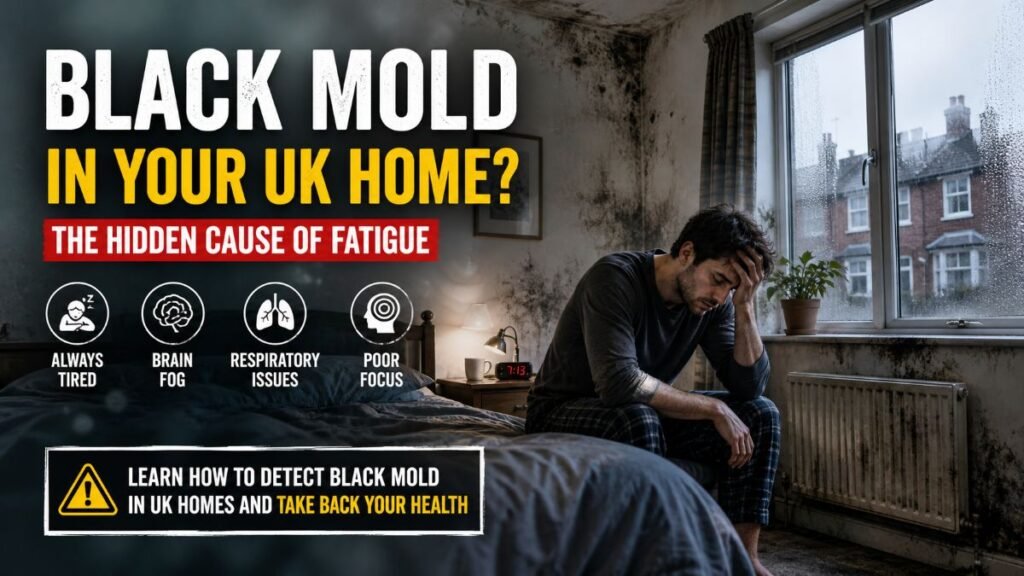
“Is your morning tea failing to wake you up? In the UK, persistent exhaustion isn’t always about the weather or work—it’s often hiding behind your wardrobe. Learning how to detect black mold in UK homes has become a biological necessity to escape ‘mold-associated fatigue.’ These invisible spores do more than stain walls; they trigger systemic inflammation and chronic brain fog that no amount of caffeine can fix. Don’t let your home steal your energy. It’s time to uncover the toxic truth lurking in your air.”
 The UK Mold Crisis: Why Your Home is a Breeding Ground
 The UK Mold Crisis: Why Your Home is a Breeding Ground
UK homes are uniquely susceptible to moisture issues due to a combination of aging architectural styles and high external humidity. Before we explore how to detect black mold in UK homes, it’s important to understand the structural context of the British Isles. While traditional Victorian and Edwardian properties were built with solid brickwork intended to be “breathable,” modern renovations often introduce non-breathable insulation and plastic-based paints that trap moisture inside, creating a stagnant micro-climate.
The intersection of rising energy costs—which discourages constant heating—and airtight uPVC glazing often results in severe internal condensation. When the internal relative humidity (RH) of a UK terrace or flat remains above 60% for extended periods, Stachybotrys chartarum (Black Mold) spores begin to colonize. According to recent national housing surveys, this “damp trap” is a significant structural and health issue for approximately 3.4 million households across the country, particularly in social housing and older private rentals.
Feature | Impact on Mold Growth | Risk Level |
Traditional Brickwork | Traps moisture if external rendering is cracked | High |
Double Glazing (Old) | Lack of trickle vents causes frame condensation | Medium |
UK Average Humidity | Indoor RH often exceeds 70% during winter months | Critical |
Drying Clothes Indoors | Releases up to 2 litres of water vapour per load | High |
Step-by-Step: How to Detect Black Mold in UK Homes
 Step-by-Step: How to Detect Black Mold in UK Homes
Detection in complex UK builds requires more than a casual glance. It requires a systematic, sensory-driven investigation. If you want to know how to detect black mold in UK homes like a professional surveyor, follow this 5-step protocol:
- 👃 The Olfactory Check: Trust your nose over your eyes. A persistent “musty,” “earthy,” or “wet dog” smell is a primary indicator. In UK homes, this scent often originates from behind heavy wallpaper or under timber floorboards where stagnant moisture has settled.
- 👁️ Visual Identification: Look for dark, “sooty” clusters. While famously black, toxic mold can also appear as dark green, slimy textures or velvety gray patches. Check for “ghosting”—dark lines on ceilings that follow the path of cold joists.
- 🌡️ The Hygrometer Method: For an objective biological audit, use a digital hygrometer. If your indoor humidity consistently stays above 60%, mold growth is inevitable. Professional-grade detection aims for the 45-55% range to keep spores dormant.
- 🖼️ The “Airflow” Audit: Move large furniture items like wardrobes or divan beds at least 3-5 inches away from external-facing walls. These “dead zones” lack thermal circulation, creating the cold spots where how to detect black mold in UK homes becomes most apparent.
- 🚿 Window Frame & Seal Inspection: Inspect the black rubber gaskets and wooden sills. Condensation pooling in window tracks is the most frequent entry point for mold in British flats, as the cold exterior glass meets the warm interior air, creating a “dew point.”
The Science: Why Mold Exposure is Linked to Fatigue
 The Science: Why Mold Exposure is Linked to Fatigue
When researching how to detect black mold in UK homes, many residents are seeking an explanation for their debilitating lethargy. The link is biochemical: certain molds release Mycotoxins—secondary metabolites that are small enough to be inhaled and cross directly into the bloodstream. These toxins are not just allergens; they are powerful inflammatory triggers.
This condition is recognized in clinical functional medicine as CIRS (Chronic Inflammatory Response Syndrome). Because the immune system is in a state of high alert trying to neutralize these environmental particles, it diverts energy away from the mitochondria (the powerhouses of your cells). This biological “energy theft” is why no amount of caffeine can fix mold-induced fatigue. Research cited by Medical News Today and the World Health Organization (WHO) confirms that long-term exposure to damp indoor environments is strongly correlated with chronic respiratory inflammation and persistent fatigue symptoms.
Mold-Related Fatigue vs. Regular Tiredness: The Indicators
 Mold-Related Fatigue vs. Regular Tiredness: The Indicators
Understanding how to detect black mold in UK homes also involves a deep audit of your own physiological feedback. Standard fatigue usually improves with rest, but mold-related exhaustion is “environmental” and persistent.
- Location-Specific Recovery: If you wake up exhausted but feel a noticeable surge in mental clarity and energy once you spend time outdoors or at a well-ventilated office, your home environment is likely the source of your biological strain.
- The “Away” Test: Many UK residents report that their “brain fog,” sinus pressure, or unexplained headaches disappear within 48 hours of going on holiday or staying in a different environment. This is a classic “Trust Signal” of indoor air toxicity.
- Cognitive “Fog” & Word-Finding: Mycotoxin exposure has been linked to a “slower” brain. If you find yourself struggling to remember simple words or feeling “spaced out” while at home, it may be a neurological response to airborne spores.
Irritation Synergy: Mold fatigue rarely travels alone. It is almost always accompanied by “sandy” feeling eyes, a dry morning cough, or skin sensitivities that flare up specifically when you are indoors.
Hidden Spots: Where Mold Thrives in UK Architecture
 Hidden Spots: Where Mold Thrives in UK Architecture
If you haven’t found a visible source while learning how to detect black mold in UK homes, you must investigate the hidden structural “voids” common in British construction.
- Kitchen Void Spaces: UK kitchen units often feature a “false back” or service gap. Check the floor level behind the kickboards; a slow, silent leak from a dishwasher or sink can sustain a massive mold colony for years without being seen.
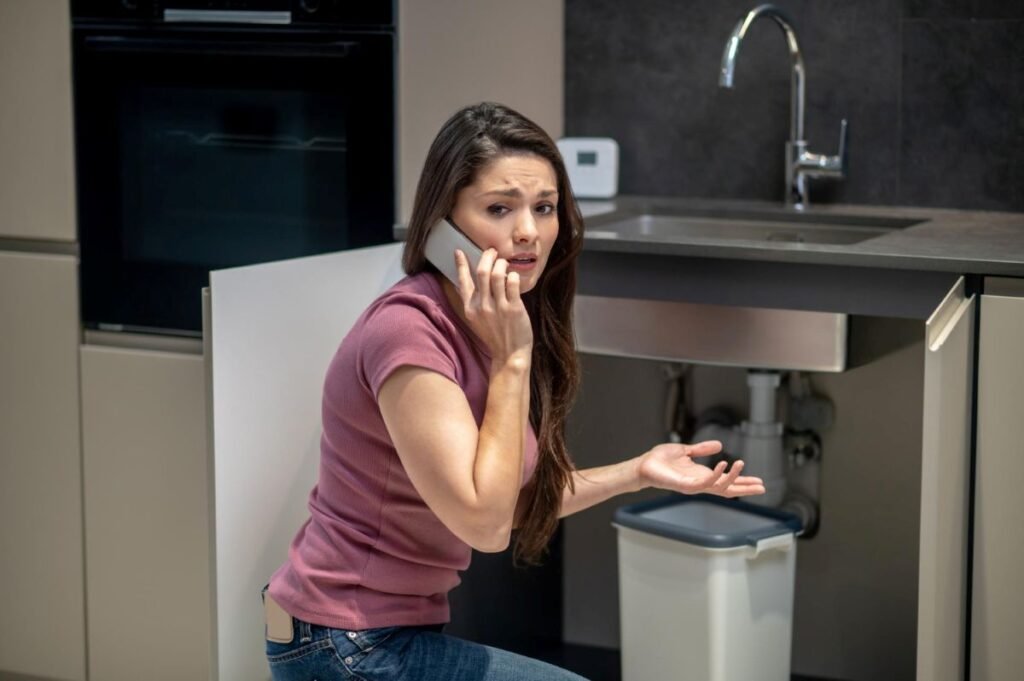
- Under-Sink Base Units: The high-pressure plumbing in modern UK homes is prone to “pinhole” leaks. These drips saturate the porous MDF or chipboard base of the cabinet, creating a perfect dark, damp petri dish.
- Attic & Loft Insulation: A single slipped slate on a roof can allow rain to soak into glass-wool insulation. This moisture then migrates to the ceiling of the bedrooms below, often appearing as a faint yellow “tide mark” before the black spores emerge.
- Appliance Gaskets: The rubber seals on front-loading washing machines are prime Real Estate for mold. If you don’t dry the seal after a wash, you are essentially “inoculating” your clothes with spores during every cycle.
Recovery: Managing Your Environment and Health
 Recovery: Managing Your Environment and Health
Once you’ve mastered how to detect black mold in UK homes and successfully remediated the source, your focus must shift to biological detoxification and cellular repair.
- Glutathione Support: This is the body’s master antioxidant, essential for the liver to process and expel mycotoxins. Incorporating glutathione-rich foods (like cruciferous vegetables) or liposomal supplements can support the clearing of your system.
- The Binder Protocol: Professional protocols often use “binders” like activated charcoal or bentonite clay (under medical supervision) to “trap” toxins in the digestive tract, preventing them from being re-circulated into the blood.
- Advanced Air Filtration: Standard “ionizers” are not enough. You need a HEPA-13 or PECO air purifier capable of capturing particles as small as 0.1 microns. This ensures that even the smallest fragments of spores are removed from your breathing zone.
- Nutritional Resilience: A Mediterranean Diet UK provides the anti-inflammatory polyphenols needed to dampen the systemic inflammation caused by mold exposure.
Preventive Measures for UK Homeowners
 Preventive Measures for UK Homeowners
Knowing how to detect black mold in UK homes is the first step; creating a “Mold-Resistant” lifestyle is the long-term goal for longevity.
- Compressor Dehumidification: In the damp UK climate, a desiccant or compressor dehumidifier is a vital health tool. Aim to maintain a “Goldilocks Zone” of 45-55% humidity to keep fungal growth biologically impossible.
- The Ventilation Protocol: Open windows at opposite ends of the house for just 60 seconds twice a day (Cross-Ventilation). This “purges” the moisture-laden air and replaces it with fresh, oxygen-rich air.
- Vagus Nerve Resilience: Environmental toxins put the body into a “Freeze” or “Fight” state. Incorporating Vagus Nerve Exercises can help signal to your brain that the “threat” (the mold) is gone, allowing for true recovery.
- Anti-Condensation Painting: When redecorating, use fungicidal washes and specialist thermal paints that prevent the wall surface from becoming cold enough for water to condense.

❓ FAQ: Essential UK Knowledge
Q: Can I just spray it with bleach and forget it? A: No! Bleach is 90% water. While it removes the black color (the stain), the water penetrates the wall and actually feeds the “roots” (hyphae) of the mold, causing it to return stronger. Use professional-grade antimicrobial solutions or white vinegar.
Q: Is “mildew” just a less dangerous version of mold? A: Mildew is a surface-level fungus that is easier to clean, but it is often a “pioneer species.” If you have mildew, it means the conditions are perfect for the much more toxic Black Mold to follow.
Q: Does the NHS recognize “Mold Illness”? A: The NHS and UK Government strictly categorize damp and mold as a “Category 1 Health Hazard.” While the specific term “Mold Toxicity” is an emerging field, the link between damp housing and respiratory/fatigue symptoms is legally and medically established in the UK.
🏁 Conclusion: Reclaiming Your Home Environment
Now that you know how to detect black mold in UK homes, don’t ignore the subtle signs of musty smells or persistent lethargy. Your home should be your sanctuary—a place where you recharge, not a source of chronic biological strain. Start with a simple £10 hygrometer check today. If you find a moisture issue, act decisively. Once your environment is dry and clean, consider a Total Biological Reset to help your body flush out the inflammation and return to peak performance.

✍️👤 About the Author
Dambar R. is a dedicated wellness researcher and the visionary founder of MyHealthyLifeUK. With over a decade of hands-on experience in metabolic science and practical nutrition, he specializes in creating sustainable health transformations for modern lifestyles.
Based on his extensive research, Dambar empowers individuals across the UK and USA to reach their peak fitness goals through science-backed health tips without sacrificing the joy of everyday eating. His mission is to bridge the gap between complex health data and actionable habits that foster long-term vitality and holistic wellness.
⚠️ Medical Disclaimer
The information provided on MyHealthyLifeUK is for educational and informational purposes only. It is not intended to be a substitute for professional medical advice, diagnosis, or treatment.
- Professional Guidance: Always seek the advice of your Physician (GP) or another qualified health provider regarding any medical condition.
- Specialized Advice: For personalized dietary needs, we recommend consulting a Registered Dietitian.
- Safety First: Consult a professional before starting any new fitness or nutrition program.
Never disregard professional medical advice or delay seeking it because of something you have read on this website.