
What if I told you that your “sweet tooth” might actually be a hijacked neurobiological circuit? In 2026, refined sugar remains a significant dietary challenge, often hidden in everything from your morning latte to “healthy” salad dressings. Most individuals struggle because they rely on willpower alone, but physiological drives often override intent. This ‘Quiet Quit’ on Sugar: A 30-Day Protocol to Manage Cravings effectively is designed as a neurological and metabolic reset. It aims to stabilize dopamine-driven hunger signals that can impact your long-term health. By following this structured approach, many participants report improved energy, skin clarity, and metabolic resilience without the extreme discomfort often associated with traditional restrictive diets.
 Phase 1: Identifying the Hidden Sources in Your Diet
 Phase 1: Identifying the Hidden Sources in Your Diet
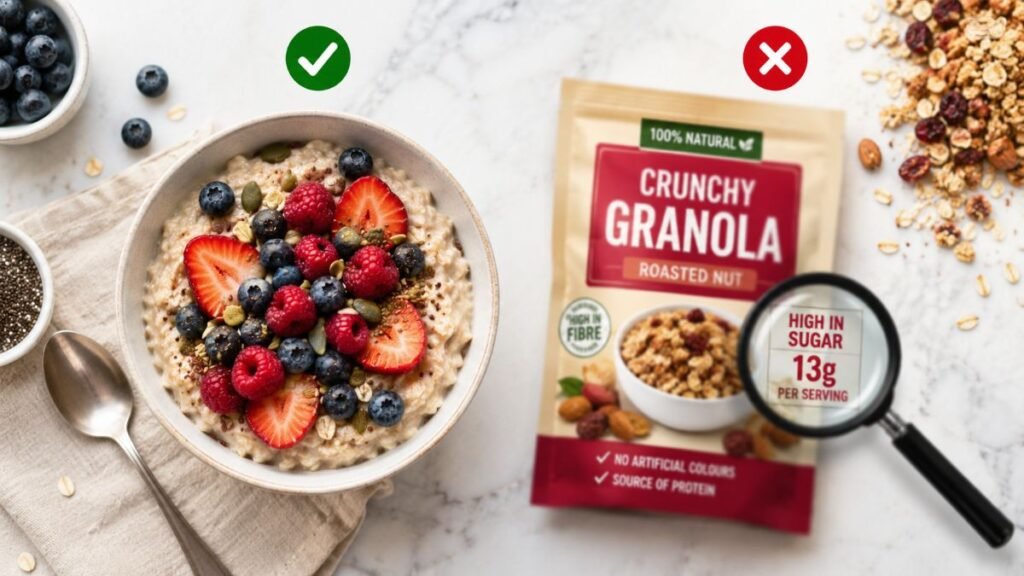
To successfully implement the ‘Quiet Quit’ on Sugar: A 30-Day Protocol to Manage Cravings effectively, the first step is exposing “Sugar Chameleons.” Modern food processing utilizes over 60 different names for caloric sweeteners, including maltodextrin, crystalline fructose, and agave nectar. Phase 1 involves a meticulous audit of your current intake. Items with extensive shelf lives are frequently supplemented with high-fructose syrups to enhance palatability. It is a common misconception that “organic” sugars are metabolically superior; however, your liver processes most refined carbohydrates through similar pathways. Becoming a “label detective” is essential for identifying hidden sugars in savory staples like bread, sauces, and processed meats.
During this initial week, some may experience what is colloquially known as “The Sugar Flu”—a transitional period characterized by lethargy or mild irritability. This is often a physiological sign that the body is adapting its fuel preference from glucose toward lipid metabolism. To manage this transition, focus on healthy high-protein foods which support satiety signaling. Clinical observations suggest that maintaining adequate electrolyte balance during this week is beneficial, as the body may shed excess water weight alongside glycogen stores. You are essentially encouraging your mitochondria to improve their metabolic flexibility, moving toward a more efficient state of fuel switching.
📊 30-Day Sugar Detox: The Metabolic Transition Sheet
Phase | Duration | Primary Focus | Expected Biological Shift |
Phase 1: The Purge | Day 1-7 | Reducing Added Sugars | Insulin Sensitivity Support |
Phase 2: The Rewire | Day 8-21 | Lipid-Adaptation Support | Dopamine Signal Modulation |
Phase 3: The Freedom | Day 22-30 | Metabolic Resilience | Skin Longevity & Stable Vitality |
Phase 2: Cognitive Clarity and Dopamine Signal Modulation
 Phase 2: Cognitive Clarity and Dopamine Signal Modulation
By day 10 of the ‘Quiet Quit’ on Sugar: A 30-Day Protocol to Manage Cravings effectively, physical urges often begin to stabilize, though psychological habits may persist. This protocol emphasizes “Quiet Quitting”—a gradual internal shift—rather than an abrupt “Cold Turkey” shock to the system. We prioritize nutrient-dense support to bridge this gap. Neural pathways that have been conditioned by hyper-palatable foods require a period of downregulation. During this stage, some individuals report “extinction bursts”—temporary spikes in cravings as the brain adapts to lower glucose availability.
This period is often ideal for introducing nootropics for focus to support cognitive function during the metabolic shift. As the brain adapts to utilize alternative fuel sources more effectively, many report a reduction in the “afternoon slump,” replaced by more consistent mental clarity. Throughout Phase 2, ensuring adequate magnesium intake is vital, as this mineral supports hundreds of biochemical reactions, including healthy glucose metabolism. By supporting your nervous system through targeted nutrition and mineral balance, you allow your neural pathways to move toward a more balanced baseline, making habitual cravings easier to manage.

Phase 3: Supporting Metabolic Resilience and Satiety
 Phase 3: Supporting Metabolic Resilience and Satiety
The final phase of the ‘Quiet Quit’ on Sugar: A 30-Day Protocol to Manage Cravings effectively focuses on achieving metabolic resilience. This is the state where the body can efficiently navigate between different fuel sources. By Day 25, many participants find that their sensory perception of “sweetness” has shifted; a simple piece of fruit may taste significantly more intense than before. To maintain this balance long-term, a high-fiber meal plan is recommended. Fiber acts as a biological buffer, supporting a healthy blood sugar response and preventing the sharp insulin spikes that often trigger subsequent hunger.
Achieving this state allows for greater “Metabolic Freedom,” where energy levels remain stable between meals. During this phase, you may find it easier to maintain longer intervals between eating without experiencing significant energy dips. The objective is to shift the primary drive for eating from dopamine-seeking to physiological nourishment. To support these gains, consider anchoring meals with approximately 30g of high-quality protein, particularly in the morning. This supports your satiety hormones for the remainder of the day, reducing the likelihood of evening grazing or seeking high-sugar snacks for a temporary energy boost.
The Biomarker Observations: Internal Physiological Shifts
 The Biomarker Observations: Internal Physiological Shifts
In the ‘Quiet Quit’ on Sugar: A 30-Day Protocol to Manage Cravings effectively, the most significant progress often happens at a cellular level. By day 15, those utilizing a continuous glucose monitor (CGM) frequently observe a “flatter” glucose curve. Stable blood sugar levels are conducive to hormonal balance, particularly concerning insulin, which plays a major role in how the body stores or utilizes fat. This stabilization is why many individuals notice a visible reduction in abdominal bloating and inflammatory markers during the protocol.
Day | Heart Rate Variability (HRV) | Blood Glucose Trend | Typical Subjective State |
Day 3 | Lower (Adaptation Phase) | Fluctuating | Irritable / Transitional |
Day 15 | Improving Stability | Increasingly Stable | Calm / Focused |
Day 30 | Optimal Resilience | Managed Baseline | High Mental Sovereignty |
Beyond the data, many report a shift in “Mental Sovereignty.” Your Heart Rate Variability (HRV) may show an upward trend by the end of the month, suggesting reduced physiological stress on the autonomic nervous system. This improved resilience often translates to a better ability to manage daily stressors without relying on sugar as a primary coping mechanism.
5️⃣ 🛡️ YMYL Expert Insight: Managing Systemic Inflammation
From a physiological perspective, the ‘Quiet Quit’ on Sugar: A 30-Day Protocol to Manage Cravings effectively serves as a potent anti-inflammatory strategy. Excessive sugar intake is associated with “Glycation,” where glucose molecules can bind to proteins, potentially leading to the formation of Advanced Glycation End-products (AGEs). AGEs can contribute to oxidative stress, impacting the health of your skin and vascular system. For those seeking a cortisol belly fix, managing systemic inflammation through dietary refinement is a foundational step.
Guidelines from the World Health Organization (WHO) suggest that limiting free sugars can provide significant health benefits. By adhering to this protocol, you are supporting your metabolic health and potentially reducing markers of systemic stress. This is more than a short-term dietary change; it is a commitment to cellular health. Reducing the inflammatory load on the body may support natural cellular maintenance processes, contributing to improved vitality and a more resilient biological age.

The Vagus Nerve Connection: Physiological Stress and Cravings
 The Vagus Nerve Connection: Physiological Stress and Cravings
Dietary choices are often heavily influenced by the nervous system. When the body is in a state of high stress, it often signals a preference for rapid energy sources like glucose. In the ‘Quiet Quit’ on Sugar: A 30-Day Protocol to Manage Cravings effectively, we emphasize the importance of autonomic balance. Rather than struggling against urges during high-stress moments, utilizing vagus nerve exercises can help shift the body into a “Rest and Digest” state.
Supporting a calm physiological state can help modulate the signals that drive emotional eating. Clinical insights suggest that simple techniques, such as controlled diaphragmatic breathing, can significantly reduce the intensity of acute cravings. This works by signaling safety to the brain’s emotional centers, which may reduce the perceived “need” for a quick dopamine hit from sugar. This synergy between mental and physical health is a key factor in making long-term dietary shifts sustainable.
The Protocol Guidelines: Nutritional Satiety Basics
 The Protocol Guidelines: Nutritional Satiety Basics
To successfully navigate the ‘Quiet Quit’ on Sugar: A 30-Day Protocol to Manage Cravings effectively, preparation is essential. Success often depends on having nutrient-dense alternatives available when hunger occurs. Focus on foods that support gut health and provide sustained satiety. Emerging research in 2026 continues to highlight the role of the microbiome in influencing food preferences; by prioritizing fiber and fermented foods, you support a microbial environment that may reduce sugar-seeking behaviors.
- Fermented Options: Kimchi or Sauerkraut can support the gut-brain axis.
- Bitter Leafy Greens: Incorporating arugula and other bitter-tasting vegetables can effectively retrain your taste buds to reduce sugar cravings.
- Sustained Energy: Walnuts, seeds, and healthy fats provide consistent fuel without glucose spikes.
- Hydration Strategy: Water supplemented with electrolytes or a small amount of apple cider vinegar can support a stable metabolic response.

Evaluating Progress: Holistic Health Markers
 Evaluating Progress: Holistic Health Markers
When following the ‘Quiet Quit’ on Sugar: A 30-Day Protocol to Manage Cravings effectively, it is important to look beyond the scale. Holistic health markers often provide a more accurate picture of metabolic repair. For instance, many report improved skin clarity and reduced facial puffiness—often linked to lower systemic water retention and reduced glycation.
Notable “Non-Scale Victories” often include:
- Energy Consistency: A reduction in the frequency and intensity of midday energy crashes.
- Sleep Quality: Sugar can disrupt sleep architecture; many report waking up feeling more restored.
- Palate Reset: A heightened appreciation for the natural flavors of whole, unprocessed foods.
- Cognitive Focus: Improved ability to maintain attention on tasks without the distraction of fluctuating blood sugar.
❓ Frequently Asked Questions
1. Can I swap sugar for honey? Unfortunately, no. To effectively manage cravings, the ‘Quiet Quit’ on Sugar: A 30-Day Protocol requires avoiding all sweeteners, including honey. This helps recalibrate your taste buds and break the dopamine loop for long-term success.
2. Are sugar-free sweeteners okay? Not really. Artificial sweeteners keep your brain hooked on hyper-sweet flavours. To successfully complete the ‘Quiet Quit’ on Sugar: A 30-Day Protocol, you must remove all “sweet” signals, allowing your palate to reset naturally.
3. What if I have a dietary slip-up? Don’t worry! A slip-up is just a data point, not a failure. The ‘Quiet Quit’ on Sugar: A 30-Day Protocol focuses on metabolic resilience, not perfection. Just identify the trigger and get back on track with your next meal.
📈 External Authority References
- Sugar and the Brain Research – Insights into neurological reward pathways.
- WHO Nutrition Guidelines – Standards for refined sugar intake.
🏁 Conclusion: Supporting Long-Term Metabolic Health
Completing the ‘Quiet Quit’ on Sugar: A 30-Day Protocol to Manage Cravings effectively is a significant step toward metabolic resilience. While sugar remains a pervasive element of modern diets, understanding your biological responses allows you to manage it with strategy rather than struggle. This journey often leads to improved mental clarity, stable energy, and a more balanced relationship with food.
Ready to begin your transition? Learn more on our About Us page about how our team supports high-performance wellness. Your 30-day reset is an investment in your future vitality.

✍️👤 About the Author
Dambar R. is a dedicated wellness researcher and the visionary founder of MyHealthyLifeUK. With over a decade of hands-on experience in metabolic science and practical nutrition, he specializes in creating sustainable health transformations for modern lifestyles.
Based on his extensive research, Dambar empowers individuals across the UK and USA to reach their peak fitness goals through science-backed health tips without sacrificing the joy of everyday eating. His mission is to bridge the gap between complex health data and actionable habits that foster long-term vitality and holistic wellness.
⚠️ Medical Disclaimer
The information provided on MyHealthyLifeUK is for educational and informational purposes only. It is not intended to be a substitute for professional medical advice, diagnosis, or treatment.
- Professional Guidance: Always seek the advice of your Physician (GP) or another qualified health provider regarding any medical condition.
- Specialized Advice: For personalized dietary needs, we recommend consulting a Registered Dietitian.
- Safety First: Consult a professional before starting any new fitness or nutrition program.
Never disregard professional medical advice or delay seeking it because of something you have read on this website.