
🌱Introduction: Unlock Your Peak Potential in the Modern UK

Are you tired of feeling sluggish by 3 PM, battling “brain fog,” or feeling overwhelmed by conflicting diet advice in the UK? In a world of 10-minute TikTok trends and confusing supermarket labels, finding a clear path to health can feel impossible. This Master Your Diet in the UK is your definitive, evidence-based blueprint to transforming your body and mind. We’ve cut through the noise to bring you a strategy that actually works with the British lifestyle—not against it. Whether you’re a busy professional in the City or a parent balancing life in the suburbs, this guide will empower you to fuel your body with precision, reclaim your energy, and achieve the vitality you deserve. It’s time to move beyond dieting and start truly living well
🥗 The UK’s Nutritional Landscape in 2026
In the fast-paced life of modern Britain, from the busy streets of London to the quiet hills of the Cotswolds, maintaining a healthy diet has become a complex challenge. This Master Your Diet in the UK aims to simplify the noise surrounding healthy eating. With the rise of ultra-processed meal deals and high-sugar snacks, the average UK citizen often misses out on essential micronutrients. Our environment is currently saturated with “convenience foods” that are scientifically designed to be addictive, leading to a national health crisis where calorie intake is high but actual nutrient density is historically low.
According to the latest NHS Eatwell data, a significant portion of the population is not meeting the recommended daily intake of fibre and certain vitamins. Improving your health doesn’t mean changing everything at once. It’s about making smart, sustainable choices that naturally fit into your everyday life. By understanding the local food supply chain and the hidden traps in high-street supermarket aisles, you can make shifts that stick for a lifetime. Small, consistent changes—like swapping white bread for granary or adding one extra portion of veg to your Sunday roast—create the foundation for long-term health.

⚖️ Select breads and cereals that display whole grain labeling on the pack
To master your health, you must first understand what goes onto your plate. This Master Your Diet in the UK breaks down the two main categories of nutrients: Macronutrients and Micronutrients. Macronutrients (Proteins, Carbs, and Fats) provide the raw energy your body needs to function. In the UK, we are fortunate to have access to high-quality lean British beef, Atlantic salmon, and local oats, which provide the building blocks for tissue repair and sustained energy. Proteins help muscle growth, complex carbs fuel your brain, and healthy fats support hormonal balance.
Micronutrients, though needed in smaller amounts, are equally vital for preventing disease and optimizing performance. Due to the lack of strong sunlight in the British Isles, Vitamin D is a major talking point in every UK clinic. Furthermore, iron and B-vitamins are crucial for those following a high-stress professional lifestyle, as they help combat fatigue. Without a balance of both macros and micros, your body cannot perform at its peak, leading to the “afternoon slump” many British workers experience. By focusing on a “whole food first” approach, you ensure your body gets these essential elements in their most bioavailable form.
🌟 10 Essential Micronutrients & UK Sources:
- Vitamin D: Oily fish, eggs, and fortified cereals (Essential for UK winters).
- Iron: Red meat, spinach, and pulses like lentils.
- Calcium: Dairy products or fortified plant milks (Soya/Almond).
- Vitamin C: British strawberries, peppers, and broccoli.
- B12: Meat, fish, and yeast extract (Marmite).
- Magnesium: Pumpkin seeds and dark chocolate.
- Zinc: Shellfish and whole grains.
- Potassium: Bananas and British potatoes (with skins).
- Folate: Kale, sprouts, and leafy greens.
- Omega-3: Mackerel, sardines, and walnuts.
 The NHS Eatwell Guide: The British Gold Standard
 The NHS Eatwell Guide: The British Gold Standard
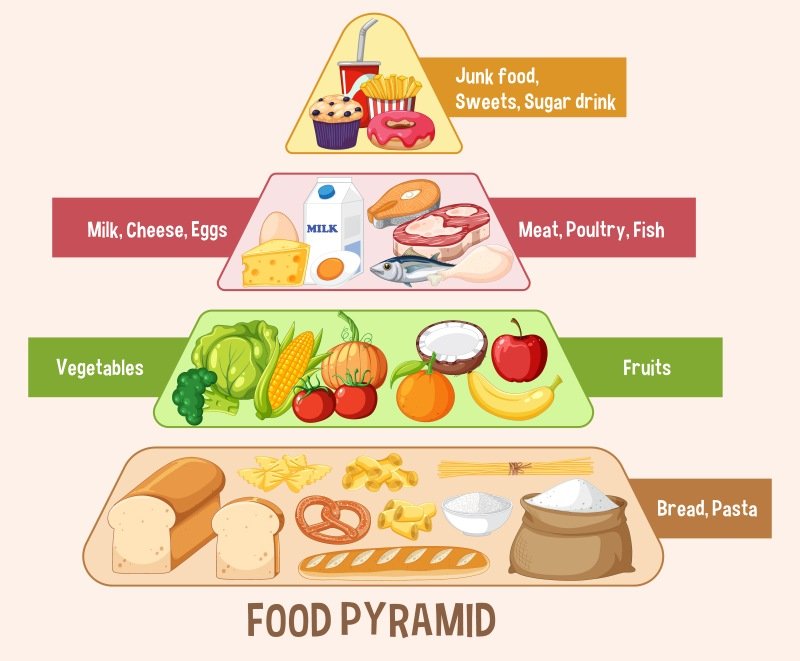
The foundation of any reliable Master Your Diet in the UK is the Eatwell Guide. This visual tool ensures you get the right balance of food groups to support metabolic health. It is designed to be a flexible framework rather than a rigid rulebook. For example, it highlights that starchy carbohydrates should form the base of your meals, but emphasizes choosing higher-fibre, wholegrain versions which release energy slowly, preventing the insulin spikes associated with white pasta and sugary cereals.
- Fruit & Veg: Aim for at least 5-A-Day. Focus on seasonal UK produce like apples, pears, and carrots to maximize nutrient intake and minimize cost.
- Starchy Carbs: These should make up just over a third of your food. Check the packaging for labels that indicate whole grain options when choosing breads and cereals.
- Dairy & Alternatives: Focus on lower-fat and lower-sugar options. If choosing plant milks, ensure they are fortified with calcium and B12.
- Proteins: Pulses, beans, and fish are excellent. The NHS recommends two portions of fish per week, one being oily (like mackerel) for heart health.
- Oils & Spreads: Choose unsaturated oils (like rapeseed or olive oil) and use them sparingly as they are energy-dense.
📊 Comparison Table: UK Supermarket Labeling (Traffic Light System)
A key skill taught in this Master Your Diet in the UK is reading the “Traffic Light” labels found on British food packaging. This system is a lifesaver for those with a busy schedule, allowing you to scan a product in seconds. The labels indicate the amount of energy, fat, saturated fat, sugars, and salt per 100g.
Your goal as a beginner is to prioritize “Green” labels, which indicate the product is low in those specific categories. “Red” doesn’t mean you can never eat it, but it signals that the food should be a “treat” rather than a daily staple.
🥗 Traffic Light Label Guide for Beginners
| Label Colour | Meaning | Advice for Beginners |
|---|---|---|
| 🟢 Green | Low | The healthiest choice; go for these as your daily staples. |
| 🟠 Amber | Medium | Fine most of the time; eat in moderation for a balanced diet. |
| 🔴 Red | High | Enjoy occasionally; check for healthier swaps where possible. |
Understanding these labels helps you avoid the “hidden” sugars in items like pasta sauces or “healthy” breakfast bars. By becoming a label-literate shopper, you take full control over your health markers.
🛒 The "Healthy UK Kitchen" Grocery List
Shopping for a Master Your Diet in the UK plan doesn’t have to be expensive. In fact, some of the healthiest staples in the UK are also the cheapest. Shops like Aldi and Lidl offer fantastic value on fresh staples, while Tesco and Asda often have “wonky” veg ranges that are nutritionally identical but much cheaper. A pro tip is to shop with a list to avoid the temptation of the snack aisles.
- Pantry Must-Haves: Red lentils, tinned chickpeas, brown rice, and British oats. These have long shelf lives and provide a low-cost base for many healthy meals.
- Frozen vs Fresh: Frozen vegetables are often frozen within hours of being picked, retaining more nutrients than “fresh” veg that has sat in a lorry for days. They also prevent food waste.
- Local Produce: Support British farmers by buying seasonal veg like kale in winter or berries in summer. It’s cheaper, tastes better, and has a lower carbon footprint.

📅 7-Day "British Style" Beginner Meal Chart
Consistency is the heartbeat of thisMaster Your Diet in the UK. Preparing a weekly plan helps you avoid the “What’s for dinner? stress that makes people rely on costly takeaway meals with excessive salt content. This 7-day structure is designed to be quick, easy, and culturally relevant to the UK, utilizing ingredients you can find in any local supermarket. By batch-cooking items like soup or dahl on a Sunday, you can save hours during the work week.
🗓️ 7-Day Beginner Nutrition Plan
| Day | Breakfast | Lunch | Dinner |
|---|---|---|---|
| Mon | Porridge with Berries | Tuna & Sweetcorn Jacket Potato | Lean Beef/Tofu Stir-fry |
| Tue | Poached Eggs on Whole-wheat | Lentil & Vegetable Soup | Baked Salmon with Asparagus |
| Wed | Greek Yoghurt & Seeds | Chicken/Chickpea Salad Wrap | Shepherd’s Pie (with extra veg) |
| Thu | Overnight Oats | Whole-wheat Pasta with Pesto | Roasted Vegetable Frittata |
| Fri | Avocado on Rye Bread | Smoked Mackerel Salad | Healthy Homemade Pizza |
| Sat | Full “Healthy” English | Turkey & Spinach Salad | Roast Chicken with Root Veg |
| Sun | Smoothie Bowl | Leftover Roast Salad | Red Lentil Dahl |
☀️ The "Sunshine Vitamin" Strategy in Master Your Diet UK
In the UK, between October and March, the sun’s rays aren’t strong enough for our bodies to synthesize Vitamin D. This Master Your Diet in the UK. highlights that the Department of Health and Social Care recommends everyone consider a daily 10-microgram supplement during these months. This is crucial because Vitamin D is essential for absorbing calcium, maintaining bone health, and supporting a robust immune system.
Furthermore, Vitamin D deficiency has been linked to “Seasonal Affective Disorder” (SAD), which affects many in the UK during the darker months. While you can find small amounts of Vitamin D in oily fish and fortified eggs, it is nearly impossible to get the recommended amount through food alone in the British climate. Making this small supplement a part of your morning routine is one of the most effective ways to protect your mental and physical well-being throughout the year.
🧠 Expert Insight: Mindful Eating & Mental Health
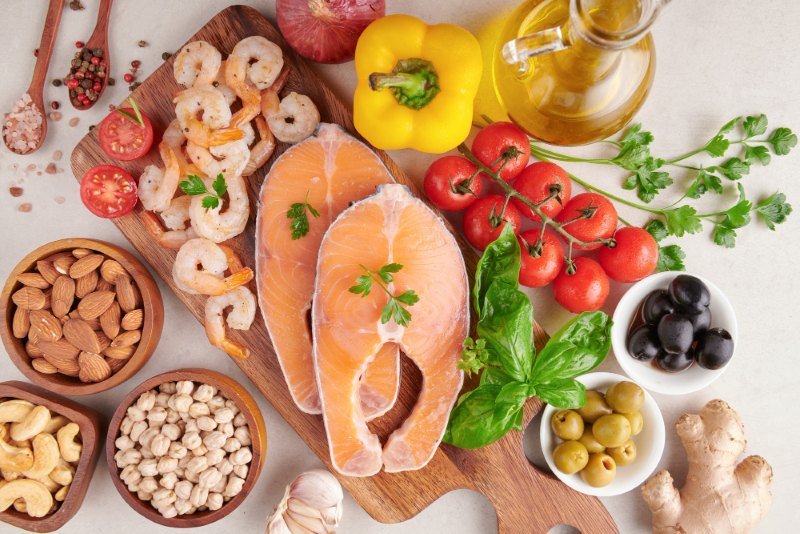
Nutrition is not just about the body; it’s about the mind. Master Your Diet in the UK. emphasizes the “Gut-Brain Axis”—the physical and chemical connection between your gut and your brain. Your gut produces about 95% of your body’s serotonin (the happy hormone), meaning that what you eat directly dictates how you feel. A diet high in fermented foods (like kefir, live yoghurt, or sauerkraut) and fibre can significantly improve your mood, focus, and reduce anxiety levels.
Avoiding the “sugar crash” from high-street biscuits, sugary coffees, and cakes is the first step toward mental clarity. When your blood sugar spikes and drops rapidly, it triggers irritability and fatigue. By choosing “slow-release” foods like nuts, seeds, and wholegrains, you provide your brain with a steady stream of fuel. Mindful eating also involves slowing down—turning off the TV and actually tasting your food—which helps your body register fullness and prevents overeating.
🧪 Nutrigenomics & Personalized Master Your Diet UK
The future of health in Britain lies in personalisation. This Master Your Diet in the UK acknowledges that DNA-based dieting is on the rise as technology becomes more accessible. Nutrigenomics is the study of how our genes respond to nutrients. For example, some people carry a gene that makes them process caffeine very slowly, while others might have a genetic predisposition to Vitamin B12 deficiency regardless of their intake.
By understanding your unique genetic markers through local UK services like Zoe or private DNA testing, you can move away from generic advice and tailor your diet for peak performance. This “precision nutrition” helps you understand why certain foods make you feel great while others make you feel bloated. While the Eatwell Guide is the perfect starting point for everyone, personalization is the “pro-level” step that can help you unlock your full biological potential and prevent long-term chronic illness.

❓ FAQ:
Q: Is eating healthy expensive in the UK?
A: No! Buying in bulk (grains, pulses) and choosing “wonky” vegetables at Tesco or Asda makes it very affordable. Seasonal shopping is also key to saving money.
Q: Are UK meal deals healthy?
A: Most are high in salt and saturated fat. If you must get one, choose a salad, water, and fruit as the snack instead of crisps or chocolate.
💡 Conclusion
Starting your journey with this Master Your Diet in the UK is an investment in your future self. By following the Eatwell proportions, staying hydrated, and shopping smart, you will notice an increase in energy and a decrease in brain fog within just a few weeks. Consistency is more important than perfection. Take it one meal at a time, and soon, these healthy habits will become second nature.

✍️ About the Author
Dambar R. is a dedicated wellness researcher and the visionary founder of MyHealthyLifeUK. With over a decade of hands-on experience in metabolic science and practical nutrition, he specializes in creating sustainable health transformations for modern lifestyles.
Based on his extensive research, Dambar empowers individuals across the UK and USA to reach their peak fitness goals through science-backed health tips without sacrificing the joy of everyday eating. His mission is to bridge the gap between complex health data and actionable habits that foster long-term vitality and holistic wellness.
⚠️ Medical Disclaimer
The information provided on MyHealthyLifeUK is for educational and informational purposes only. It is not intended to be a substitute for professional medical advice, diagnosis, or treatment.
- Professional Guidance: Always seek the advice of your Physician (GP) or another qualified health provider regarding any medical condition.
- Specialized Advice: For personalized dietary needs, we recommend consulting a Registered Dietitian.
- Safety First: Consult a professional before starting any new fitness or nutrition program.
Never disregard professional medical advice or delay seeking it because of something you have read on this website.