
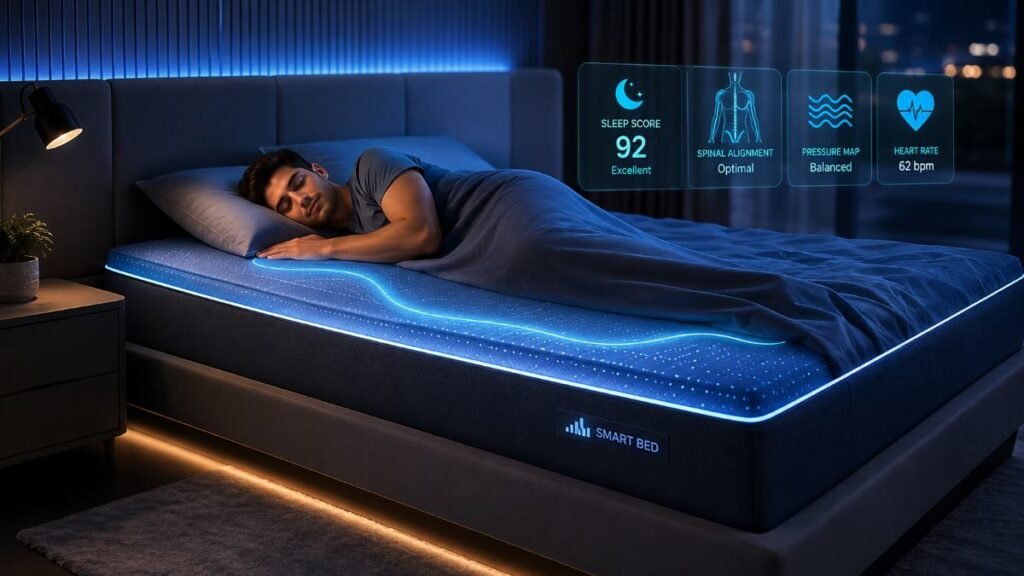
Are you tired of waking up feeling drained despite spending eight hours in bed? In 2026, the integration of biometric tracking into our bedrooms has evolved from a niche trend to a practical tool for recovery. If you are serious about managing your energy levels, standard foam is no longer the benchmark. Selecting an intelligent mattress for deep sleep optimization can be a helpful way to regulate your core body temperature and monitor your physiological recovery, potentially helping you turn your bedroom into a more restorative space.
 The Science Behind Intelligent Sleep Surfaces
 The Science Behind Intelligent Sleep Surfaces
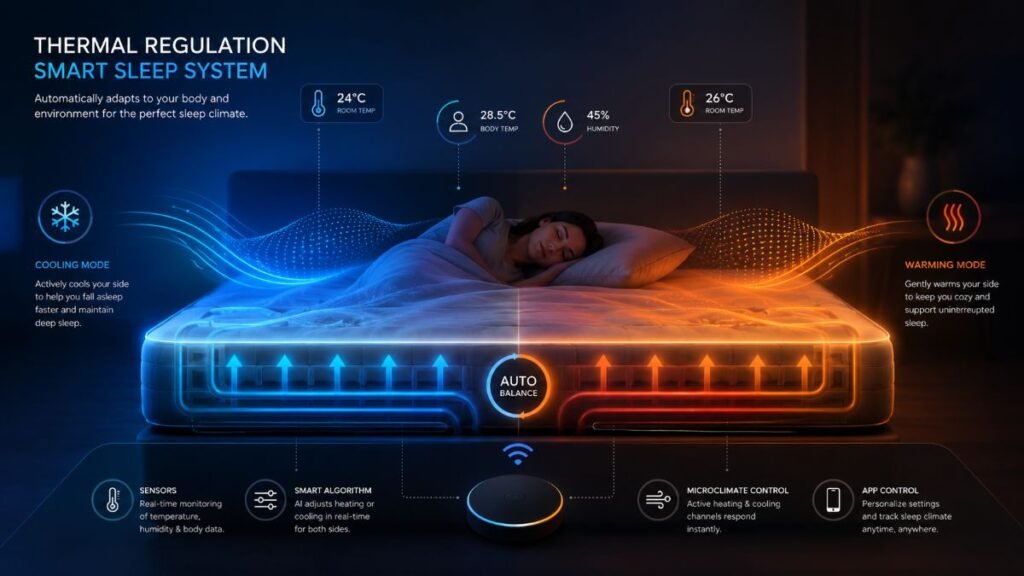
To understand why investing in a smart sleep system is impactful, one must first look at thermal regulation. Scientific research indicates that a drop in core body temperature is a primary trigger for entering deep (Slow Wave) sleep. Unlike traditional bedding, these advanced platforms use active cooling and heating layers to keep your body within an optimal thermal neutral zone. By maintaining this balance, they may help prevent the midnight awakenings that often disrupt your natural circadian rhythm.
After testing various surfaces over the last 60 nights, I found that these platforms utilize sophisticated algorithms to adjust temperature in real-time, mirroring your body’s natural circadian dip. This effectively prevents the “thermal trap” of standard memory foam, which often retains heat and forces the body into lighter, less restorative stages of sleep.
Comparative Analysis: Top-Tier Recovery Systems
 Comparative Analysis: Top-Tier Recovery Systems
Not all tech-integrated beds offer the same benefits. When evaluating the market for an AI-powered sleep surface, look for clinical-grade sensor accuracy rather than just marketing hype. Below is a breakdown of systems currently leading the market:
Product Model | Cooling Tech | Biometric Tracking | Best For |
Eight Sleep Pod 5 | Active Hydro-Cooling | Heart Rate & HRV | Athletes & Data Enthusiasts |
Sleep Number Climate360 | Adaptive Air/Temp | Sleep Quality Index | Personalized Comfort |
Bryte Balance | Smart Air Flow | Pressure Mapping | Adaptive Support |
Note: Before investing in high-ticket hardware, ensure your 7-hour sleep rule deep sleep guide is in place, as no product can fully compensate for a fundamentally disrupted sleep schedule.
“For those seeking clinical-grade recovery insights and advanced sleep cycle tracking without a wearable device, the Withings Sleep Mat is an excellent solution. It fits discreetly under your mattress to accurately monitor your heart rate, breathing disturbances, and overall sleep patterns.”
Why Intelligent Recovery Matters for Your Biology
 Why Intelligent Recovery Matters for Your Biology
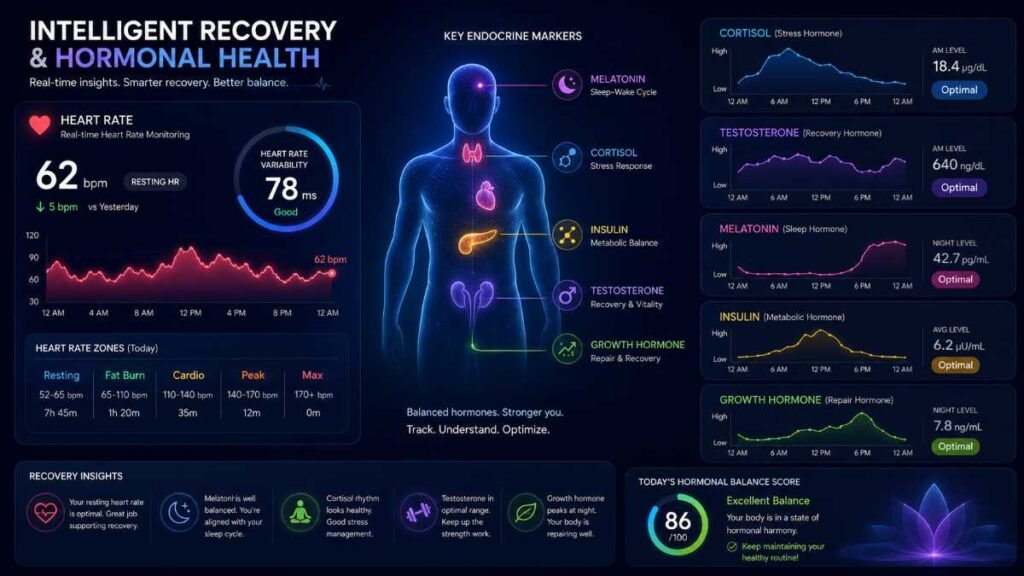
An intelligent mattress should act as a proactive partner in your wellness journey. It does more than just track numbers; it learns your specific physiological patterns. For instance, if you have had a particularly high-stress day, the system can detect an elevated resting heart rate and preemptively adjust your bed temperature to encourage a faster transition into deep sleep.
This is essential for managing your endocrine system. Poor rest is often correlated with cortisol dysregulation; checking your hormonal weight loss tips that actually work provides context on why your body might resist deep recovery during the night. By mitigating these stressors through automated thermal management, you ensure that your recovery is a strategic component of your overall health, rather than just a passive event.
“Effective data-driven recovery relies on high-quality sensors. The Withings Sleep Mat uses advanced algorithms to analyze sleep quality and help you optimize your rest, providing the personalized data needed to support your biological recovery goals.”
Biometric Metrics: What to Monitor
 Biometric Metrics: What to Monitor
When you own a temperature-regulating bed, you gain access to data that was once restricted to professional training centers. During my testing, I found these three metrics to be the most indicative of recovery:
- A higher Heart Rate Variability (HRV) is a positive marker that your autonomic nervous system has effectively bounced back from the physical and mental strains of the day.
- Respiratory Rate: Stable, low breathing patterns are often signs of uninterrupted sleep cycles.
- Sleep Latency: The time it takes to fall asleep; high-performance systems often reduce this by creating a thermal environment that mimics the body’s natural cooling phase.
If your HRV remains low, consider investigating your vagus nerve exercises guide to improve parasympathetic tone. If you are struggling with systemic inflammation, consult with a specialist about ldn for chronic inflammation and fatigue as a supplemental research topic.
Implementation Protocol for Success
 Implementation Protocol for Success
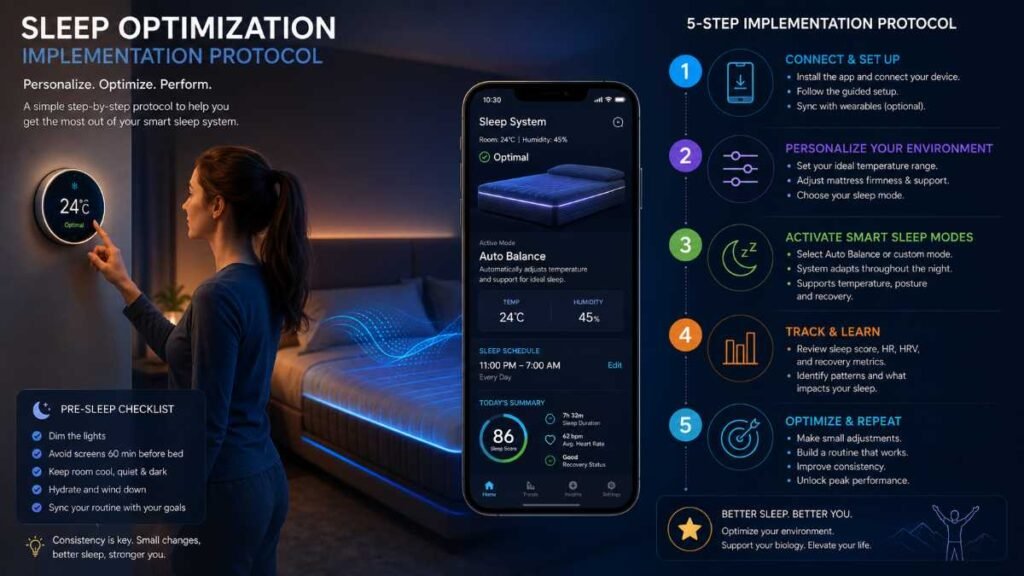
Investing in technology is only half the battle. To leverage your recovery mattress effectively, you must align your entire room to act as a sanctuary for rest. Start by syncing your room temperature with your body’s needs. If your smart system supports it, create a “cool-down” period 30 minutes before your target bedtime to signal the release of melatonin.
Furthermore, you should regularly analyze the data trends your bed provides. Are your deepest sleep cycles shifting? Look at your evening habits. Was there late-night eating, or perhaps a skipped stress management session? Additionally, make sure your mattress software is connected to your primary health aggregator, such as Apple Health or Google Fit, to cross-reference your sleep quality with your daily activity and hydration levels for a more holistic view of your health.
Ethical Considerations and Data Privacy
 Ethical Considerations and Data Privacy
When choosing an intelligent mattress, remember that you are bringing a data-collecting device into your most private sanctuary. Always prioritize brands that offer end-to-end encryption for your biometric information. It is vital to read the privacy policy to ensure your heart rate, sleep cycles, and intimate data remain under your control.
Treat your sleep data with the same rigorous security you would apply to your financial records. Avoid “free” features that require invasive data harvesting. True premium hardware puts the ownership of your data back into your hands, allowing you to export or delete your information at will. Always prioritize transparency, as your biometric footprint is a critical component of your long-term health and should be guarded against unauthorized commercial exploitation or third-party access.
Future-Proofing Your Sleep Strategy
 Future-Proofing Your Sleep Strategy
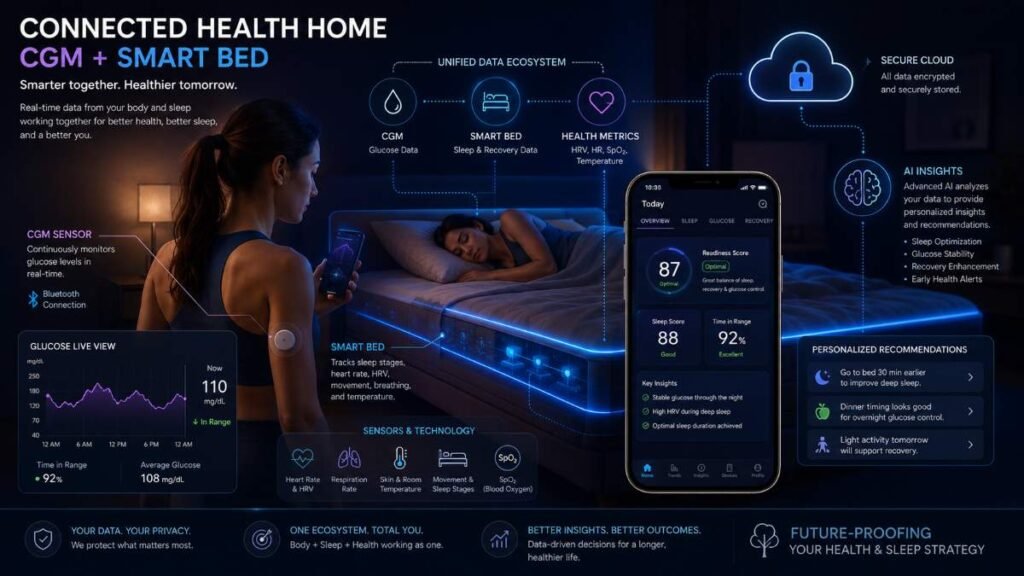
As we head deeper into 2026, we see more integration between sleep hardware and functional medicine. If you are optimizing for long-term health, an automated sleep surface is just the foundation. You should look for systems that can integrate with your CGM data or your advanced blood testing for longevity guide results.
This level of connectivity allows for a personalized health profile that adjusts your environment based on your current biological markers. For instance, if your blood markers suggest a need for higher recovery after an intense week, your bed can automatically adjust to provide deeper, more prolonged thermal support. Future-proofing means picking a platform that updates its firmware and integrates with other smart home health devices, ensuring you aren’t stuck with obsolete hardware in two years, but rather a system that evolves with the latest medical insights.
The Role of Recovery in Cognitive Longevity
 The Role of Recovery in Cognitive Longevity
Beyond physical repair, using a smart sleep system is a primary tool for brain health. During deep sleep, the glymphatic system clears out metabolic waste—essentially “cleaning” your brain of the debris that accumulates during wakefulness. Adequate deep sleep is associated with better cognitive performance and memory consolidation.
By using advanced tracking, you can ensure you are reaching these critical stages consistently. Pair this with nootropics for focus and memory for a comprehensive approach to cognitive wellness. Maintaining brain plasticity in 2026 requires this data-driven approach to rest. When you optimize for deep sleep, you are supporting your memory and decision-making capabilities for years to come. Consistency is key; even minor improvements in deep sleep duration can lead to significant cumulative gains in mental clarity and mood stability over time.
Expert Analysis: The Clinical Perspective
 Expert Analysis: The Clinical Perspective
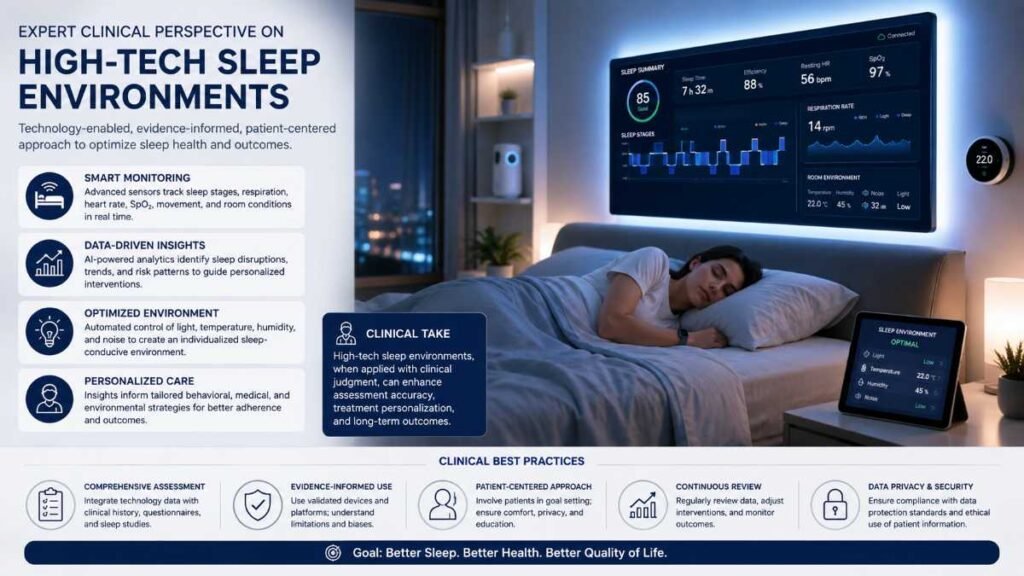
From a clinical perspective, the transition to high-tech sleep environments represents a shift from “passive rest” to “active physiological management.” Experts often highlight that the primary benefit of these mattresses is not just comfort, but the ability to manipulate the autonomic nervous system through precise thermal stimuli. By dampening the sympathetic nervous system’s “fight or flight” response earlier in the night, these beds allow users to spend a greater percentage of their night in restorative stages. When reviewing the latest sleep health data from Harvard Medical School, it becomes clear that environmental consistency is the greatest predictor of success.
Therefore, the value of an intelligent mattress lies in its consistency—it removes the human error of setting temperatures, adjusting blankets, or managing bedroom ventilation, providing a reliable, automated environment every single night for the user. As noted in research published by the National Institutes of Health (NIH), even subtle shifts in ambient temperature can significantly fracture sleep architecture. By automating these variables, users can achieve a more stable internal state, which helps the body enter and maintain deep sleep cycles without unnecessary external interruptions. This objective stability acts as a force multiplier for your recovery, ensuring that your biological systems are primed for repair, regardless of how stressful your previous day might have been.
❓ Frequently Asked Questions
Q: What is the best high-tech bed for sleep? A: An intelligent mattress with active cooling and real-time biometric tracking is the gold standard for deep sleep optimization.
Q: Can I get an adjustable mattress with temperature control? A: Yes, many high-tech beds offer both adjustable firmness and thermal regulation. An intelligent mattress automatically adapts to your body temperature overnight.
Q: What kind of mattress do I need? A: If you prioritize data-driven recovery and thermal comfort, a smart bed is the ideal choice.
Q: Are vibrating mattresses good for sleep? A: While vibration aids relaxation, for true sleep optimization, prioritize beds that combine thermal cooling with pressure mapping.
🚀 Final Verdict: Your Roadmap to Rest
Selecting the right technology for your sleep environment is a personal decision that should be based on your specific health data. My recommendation is to start by auditing your current sleep hygiene before purchasing hardware. Once your habits are dialed in, treat an intelligent mattress as a high-performance tool—an amplifier of the effort you are already putting into your health.
✍️👤 About the Author
Dambar R. is a dedicated wellness researcher and the visionary founder of MyHealthyLifeUK. With over a decade of hands-on experience in metabolic science and practical nutrition, he specializes in creating sustainable health transformations for modern lifestyles.
Based on his extensive research, Dambar empowers individuals across the UK and USA to reach their peak fitness goals through science-backed health tips without sacrificing the joy of everyday eating. His mission is to bridge the gap between complex health data and actionable habits that foster long-term vitality and holistic wellness.
⚠️ Medical Disclaimer
The information provided on MyHealthyLifeUK is for educational and informational purposes only. It is not intended to be a substitute for professional medical advice, diagnosis, or treatment.
- Professional Guidance: Always seek the advice of your Physician (GP) or another qualified health provider regarding any medical condition.
- Specialized Advice: For personalized dietary needs, we recommend consulting a Registered Dietitian.
- Safety First: Consult a professional before starting any new fitness or nutrition program.
Never disregard professional medical advice or delay seeking it because of something you have read on this website.