

Are you feeling like your body’s internal “battery” isn’t recharging the way it used to? From unexplained fatigue and mid-day brain fog to the frustrating struggle of maintaining muscle tone, the physiological shifts during perimenopause and beyond are significant. Let’s be real—most wellness trends promise the moon but deliver little. However, there is one molecule, backed by decades of rigorous clinical research, that is increasingly being recognized as a foundational tool for midlife women’s health. If you are looking to support your metabolic energy, maintain skeletal integrity, and sharpen your cognitive focus, understanding the potential benefits of creatine for women over 40 is a strategic step.
 The Science: Cellular Energy and Metabolic Support
 The Science: Cellular Energy and Metabolic Support
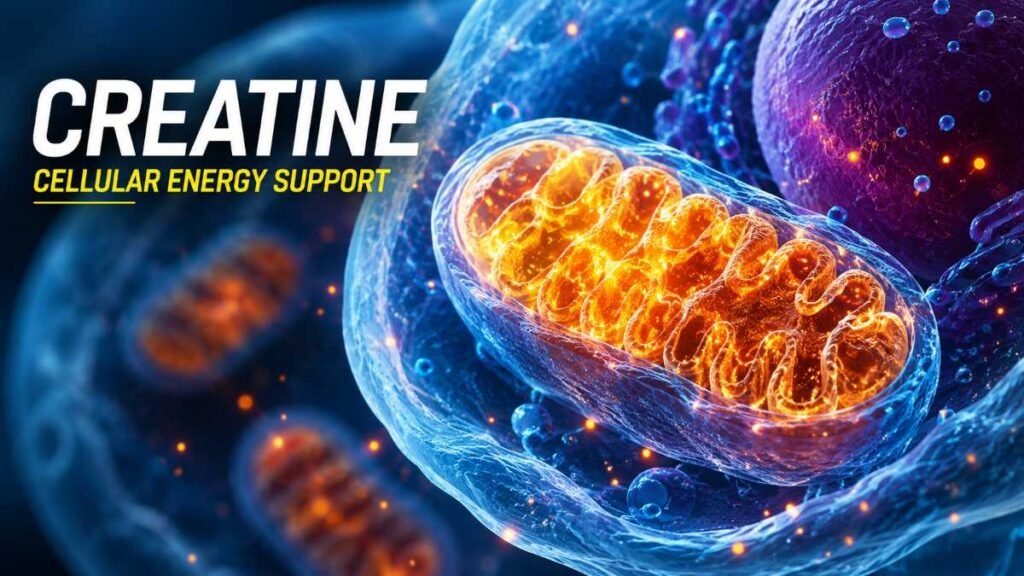
Creatine is frequently misunderstood as a niche supplement for bodybuilding, but clinical evidence indicates it is essentially “cellular fuel.” It facilitates the regeneration of ATP—the primary energy currency your cells use to power everything from daily movement to high-intensity cognitive tasks. As we move past 40, our natural creatine stores often dip, and clinical observations suggest that women generally maintain lower baseline levels than men, making the impact of this natural decline more pronounced.
By supplementing with creatine monohydrate, you are providing your mitochondria with the substrate required to produce energy more efficiently. It is not a stimulant that masks fatigue; rather, it is a metabolic optimizer that supports the body’s natural recovery processes. Think of it as a structural upgrade to your cellular efficiency, allowing your body to manage energy demands without the typical mid-day crash. Unlike stimulants that can disrupt your adrenal system, this approach works at the foundational, chemical level to ensure your cells aren’t running on empty.
Preserving Lean Muscle: The Sarcopenia Fighter
 Preserving Lean Muscle: The Sarcopenia Fighter
Losing muscle mass is a primary physiological concern as we age, often contributing to a slower resting metabolism and reduced physical robustness. Research consistently shows that creatine supplementation serves as a potent ally against sarcopenia (age-related muscle loss). When integrated with a balanced nutrition plan, such as a calorie-controlled approach, this strategy helps maintain the lean tissue that keeps you physically capable.
Strength Retention Chart: Cellular Performance
Metric | Baseline (Without Supplementation) | With Creatine (3-5g/day) |
Muscle Fiber Repair | Gradual | Enhanced |
Power Output | Diminishing | Maintained |
Metabolic Rate | Decreasing | Stable |
Maintaining lean tissue is critical for long-term health. For those looking to manage body composition effectively, focusing on metabolic flexibility alongside supplementation can yield superior long-term outcomes. Furthermore, resistance training provides the mechanical signal for growth, while the supplement provides the chemical fuel to sustain that growth. This dual-action approach prevents the common “softening” of muscle tone that many women experience during their late 40s.
Bone Health: Supporting Your Skeletal Foundation
 Bone Health: Supporting Your Skeletal Foundation
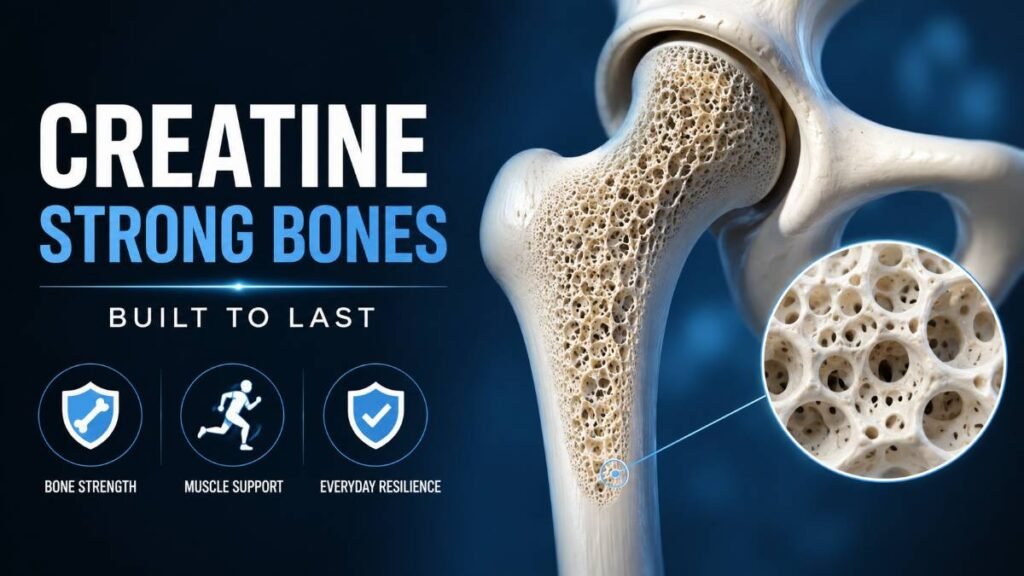
One of the most critical reasons to consider this supplement is skeletal density. As estrogen levels decline during the menopausal transition, bone resorption can exceed bone formation. While calcium and Vitamin D are foundational, emerging research suggests creatine for women over 40 acts as a structural helper. By supporting muscle force—which mechanically stimulates bone tissue—it helps maintain your skeletal foundation more effectively than relying on diet alone.
If you are concerned about mobility and bone strength, my comprehensive guide on bone health strategies provides deeper insights into these physiological changes. Please remember, consistency is vital. Clinical improvements in skeletal density are rarely instantaneous; they are the result of a 6-to-12-month commitment. It is an insurance policy for your future independence, ensuring you stay active, mobile, and confident well into your later years, reducing the risk of fragility-related injuries that often plague the aging population.
Battling Brain Fog: Enhancing Cognitive Resilience
 Battling Brain Fog: Enhancing Cognitive Resilience
Cognitive fatigue is a frequent complaint during perimenopause. The brain is incredibly energy-hungry, and clinical evidence suggests that creatine supplementation may help mitigate mental fatigue and improve processing speed, particularly under high-stress conditions. It is essentially providing your brain with supplemental energy when you are sleep-deprived or managing multiple life demands. It acts as a buffer against the cognitive “dip” associated with hormonal fluctuations.
For many, optimizing cognitive performance requires a multi-faceted approach. Integrating these habits with a science-backed nutrition strategy is a proven way to sustain mental clarity. It isn’t a “limitless” pill, but it supports the mental stamina needed to navigate a busy schedule without the constant reliance on excessive caffeine. By stabilizing brain energy levels, you can maintain focus through the afternoon slump, allowing for better decision-making and productivity without the jitters associated with traditional energy boosters.
Top-Tier Recommendations for Midlife Wellness
 Top-Tier Recommendations for Midlife Wellness
Choosing the right product is essential for E-E-A-T. Not all powders are created equal, and purity is the ultimate metric for quality.
- Thorne Creatine: Known for rigorous third-party purity testing, ensuring zero contaminants.
- Naked Creatine: A single-ingredient, high-purity option with no fillers or synthetic sweeteners.
- Optimum Nutrition: A highly consistent, widely vetted option that is perfect for daily use.
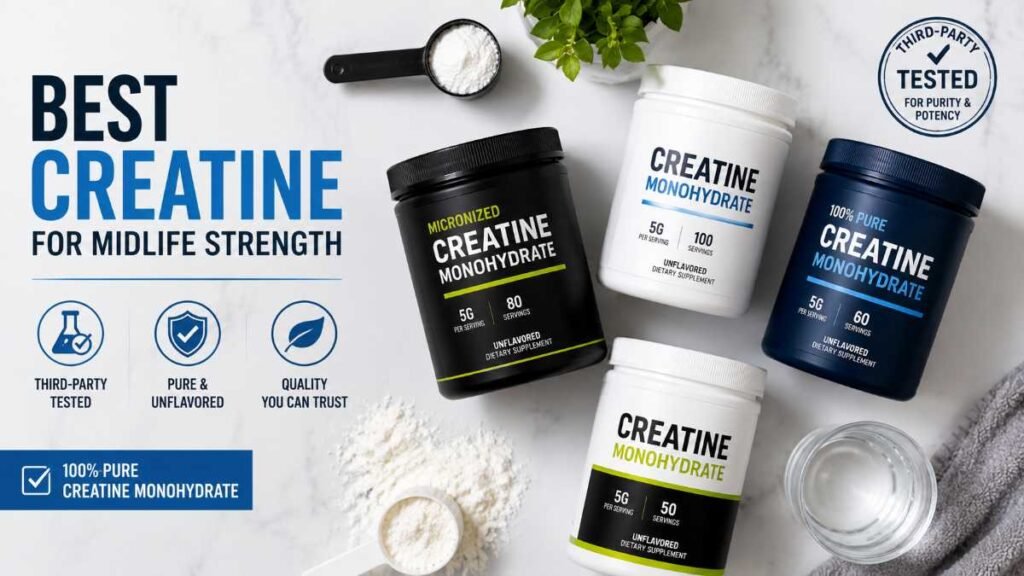
When selecting the best supplement, always prioritize third-party verification (such as NSF or Informed Choice) to ensure you are receiving pure Monohydrate. Purity prevents unnecessary gastric distress and ensures you are dosing accurately. Avoid complex “proprietary blends” that hide their dosages, as these often contain unnecessary fillers that distract from the main objective—achieving muscle saturation safely.
“For a high-purity, NSF-certified boost that ensures clean results, try Thorne Creatine here—it’s the gold standard for midlife wellness.”
Expert Protocol: How to Optimize Usage
 Expert Protocol: How to Optimize Usage
Complexity is the enemy of consistency. You do not require a loading phase, nor do you need to cycle this supplement.
- Form: Always stick to Creatine Monohydrate. It remains the most clinically researched and safe option.
- Dosage: 3 to 5 grams daily is the standard range for most adult women to see results.
- Consistency: Daily intake is paramount; your muscles need a steady saturation point to function optimally.
- Mixing: If texture is an issue, stir the powder into a small amount of liquid first to create a concentrated slurry before adding the rest of your beverage.
For those interested in how these small daily changes compound, my Beginner’s Guide to Nutrition outlines how to integrate these habits into a sustainable daily routine. Think of it as a low-cost, high-yield investment; once your stores are saturated, maintenance is simple and requires only seconds of your day.
“Ready to optimize your muscle health? Grab your daily Creatine Monohydrate here and start your journey toward better recovery today.”
Safety, Myths, and Clarifications
 Safety, Myths, and Clarifications
Is it safe? Extensive research indicates that for healthy women, creatine supplementation is remarkably safe. Common concerns regarding water retention usually refer to intracellular hydration—which is actually a positive sign that your cells are adequately fueled. It is a common misconception that this leads to “bloating,” when in reality, it reflects healthier, more hydrated muscle fibers.
Always refer to the International Society of Sports Nutrition (JISSN) for unbiased research data. Their reviews are the gold standard for navigating supplement safety. If you have pre-existing conditions, specifically renal issues, please consult with your primary healthcare provider before starting any new regimen. Transparency in labeling and a focus on single-ingredient products will keep you safe from any potential additives that might cause reactions.
The Holistic Ecosystem: Integration Strategy
 The Holistic Ecosystem: Integration Strategy
Supplementation is not a standalone solution; it functions best within a healthy lifestyle ecosystem. Combining creatine for women over 40 with the following strategies is highly recommended by longevity experts:
- Progressive Resistance Training: Engaging in 2–3 strength sessions weekly provides the necessary stimulus for bone and muscle health.
- Protein Density: Aiming for 1.0–1.2g of protein per kg of body weight supports systemic repair processes.
- Strategic Hydration: Because the supplement pulls water into the muscle, consistent daily hydration is essential.
You can refer to the Healthline Benefits of Protein for a more granular understanding of how protein intake influences metabolic health and longevity. When you stack these habits, the synergy created often leads to better recovery times and more resilient energy levels throughout the work week.
Frequently Asked Questions
Q: Should a 40-year-old woman take creatine daily? Yes. Daily 3-5g of creatine for women over 40 is vital to saturate muscle stores, boosting metabolic health and fighting age-related fatigue effectively.
Q: Does creatine really help women gain muscle? Yes. It improves power output during resistance training, supporting lean muscle mass and recovery without causing unwanted bulkiness.
Q: Why do doctors say no to creatine? It is generally safe, but doctors may advise against it if you have pre-existing renal conditions. Always consult your physician first.
Q: Is creatine safe for bipolar? Research is ongoing. Since it affects brain metabolism, consult your psychiatrist to ensure it doesn’t interact with your specific medications.
Final Verdict: Is It Worth the Commitment?
Absolutely. Supporting your skeletal and muscular health is an investment in your future independence. As we navigate the complex physiological transitions of midlife, having science-backed tools—like creatine supplementation—is a practical way to maintain your quality of life. Whether your goal is to enhance your physical output or simply feel mentally sharper, this sustainable biohack provides significant real-world results without the “hype.”
For more longevity-focused resources, I suggest reviewing Healthline’s deep dive on protein metabolism. Small, consistent habit shifts often create the most significant long-term transformations in health and body composition.

✍️👤 About the Author
Dambar R. is a dedicated wellness researcher and the visionary founder of MyHealthyLifeUK. With over a decade of hands-on experience in metabolic science and practical nutrition, he specializes in creating sustainable health transformations for modern lifestyles.
Based on his extensive research, Dambar empowers individuals across the UK and USA to reach their peak fitness goals through science-backed health tips without sacrificing the joy of everyday eating. His mission is to bridge the gap between complex health data and actionable habits that foster long-term vitality and holistic wellness.
⚠️ Medical Disclaimer
The information provided on MyHealthyLifeUK is for educational and informational purposes only. It is not intended to be a substitute for professional medical advice, diagnosis, or treatment.
- Professional Guidance: Always seek the advice of your Physician (GP) or another qualified health provider regarding any medical condition.
- Specialized Advice: For personalized dietary needs, we recommend consulting a Registered Dietitian.
- Safety First: Consult a professional before starting any new fitness or nutrition program.
Never disregard professional medical advice or delay seeking it because of something you have read on this website.