
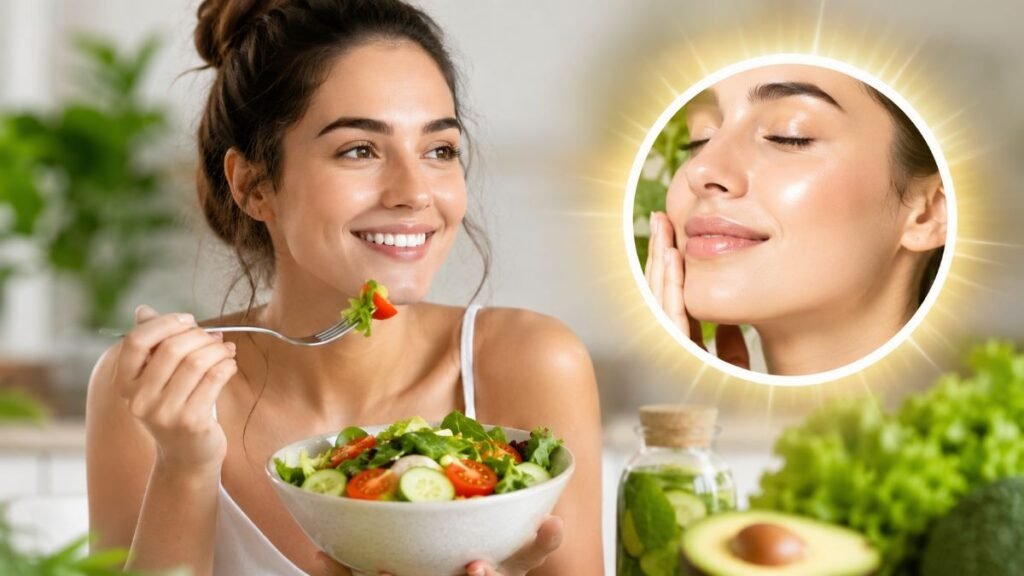
Are you tired of chasing expensive serums that only treat the surface? Real, sustainable transformation begins deep within your cells. In my experience, the true foundation of timeless vitality isn’t found in a luxury bottle—it is rooted in your metabolic health. If you are ready to stop masking fine lines and start reclaiming your natural radiance, this clinical-grade guide reveals exactly what to eat to look 20 years younger. Discover the science-backed secrets to biological longevity and how a targeted anti-aging diet can unlock your body’s innate ability to repair, regenerate, and thrive from the inside out.
 The Science of Cellular Rejuvenation
 The Science of Cellular Rejuvenation
Looking younger is not merely an aesthetic goal; it is a physiological marker of internal health. When you fuel your body with nutrient-dense foods, you actively reduce systemic inflammation—the primary driver of premature aging. Think of your skin as a window into your internal state.
My pro-tip for reversing cellular aging is to focus on whole-food staples that support your body’s natural repair pathways. By minimizing ultra-processed intake and prioritizing these foundational building blocks, you shift your biology from a state of “accelerated aging” to “optimal thriving.” An effective anti-aging diet focuses on:
- Oxidative Stress Reduction: This is the foundational step toward skin longevity. Research published in journals like Nature suggests that managing inflammation is key to slowing cellular senescence.
- Collagen Synthesis: Your anti-aging diet must provide specific amino acids, like glycine and proline, which act as the building blocks for skin elasticity and structural integrity.
- Cellular Cleanup: Dietary patterns that promote autophagy allow the body’s highly efficient mechanism for cleaning out damaged cells to function at its peak.
Top 7 Foods That Support Your Longevity Protocol
 Top 7 Foods That Support Your Longevity Protocol
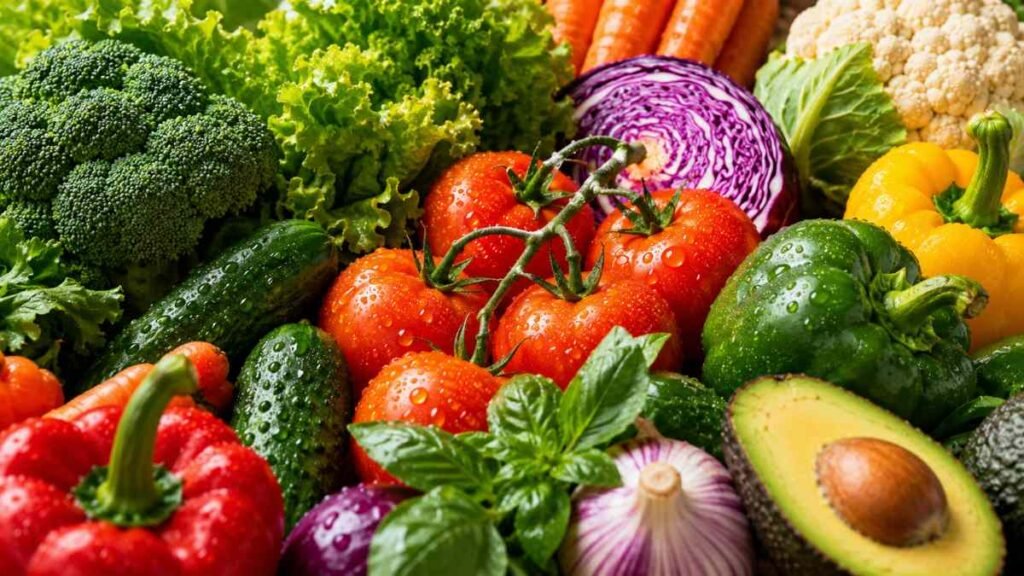
If you are wondering what to eat to look 20 years younger, look no further than these proven “longevity” superfoods. These aren’t just trendy ingredients; they are packed with bioactive compounds that clinical studies suggest can help maintain healthy cellular function over time.
Food Item | Anti-Aging Benefit | Key Compound |
Avocados | Deep skin hydration & barrier support | Healthy fats/Vitamin E |
Blueberries | Protects against oxidative stress | Anthocyanins |
Bone Broth | Structural integrity of skin | Collagen/Amino acids |
Fatty Fish | Maintains cell membrane health | Omega-3 Fatty Acids |
Walnuts | Reduces inflammatory markers | Polyphenols |
Pomegranate | Stimulates skin cell regeneration | Ellagic acid |
Green Tea | Fights UV-induced skin damage | Catechins (EGCG) |
Using these foods consistently provides the constant structural support your skin needs to recover from daily environmental stressors. Incorporating this high-performance anti-aging diet into your daily routine ensures you are feeding your cells the exact nutrients required for long-term health and a youthful glow.
“If you want the best results for your skin, check it out here and start your anti-aging journey today!”
Why "Food Coupling" is the Real Anti-Aging Secret
 Why "Food Coupling" is the Real Anti-Aging Secret
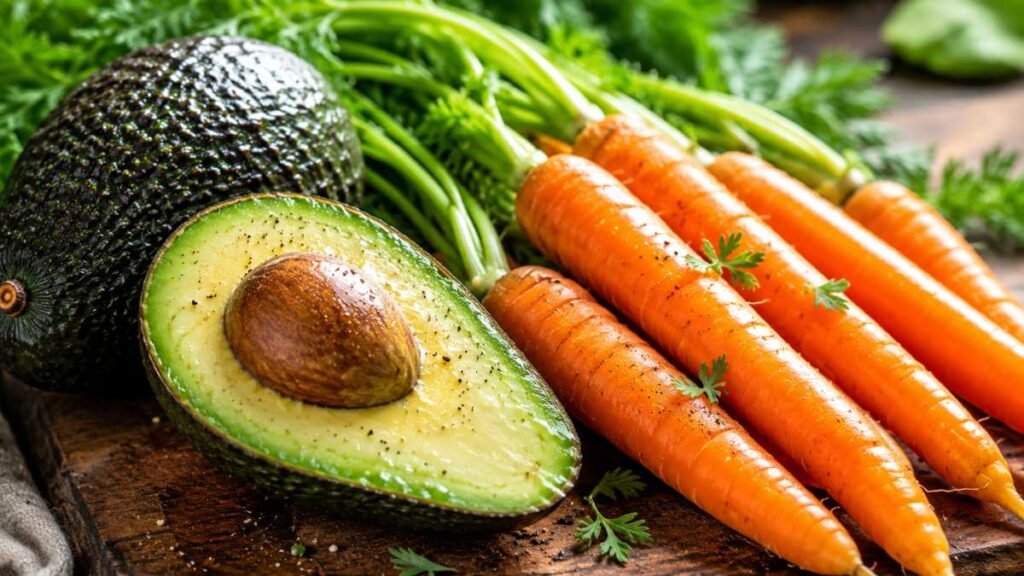
You cannot simply eat one superfood and expect a miracle; the synergy of your meal matters more. The secret to biological age support is “food coupling.” For example, beta-carotene in carrots is fat-soluble; pairing it with a healthy fat like avocado allows your body to actually absorb and utilize it for skin repair.
If your gut health guide is off, your body will struggle to absorb these nutrients. A healthy microbiome acts as the gatekeeper for your glow. When you combine high-antioxidant foods with healthy fats, you maximize the bioavailability of compounds that keep your skin supple. By following a strategic anti-aging diet, you benefit from:
- The “Sandwich” Strategy: Never eat a “naked” carb. Pair it with healthy fat or protein to blunt the glucose spikes that accelerate collagen degradation—a process known as glycation.
- Probiotic Synergy: Combine fermented, live-culture foods with your meals to improve nutrient uptake and reduce systemic, gut-derived inflammation.
Protecting Your Skin Barrier from the Inside Out
 Protecting Your Skin Barrier from the Inside Out
Just like we use topicals to protect our skin, we need internal protectors. The post-workout skincare routine is incomplete without systemic hydration and nutrient density. If you are constantly feeling drained or looking tired, check your nutrition guide to ensure you are hitting your protein targets.
- Hydration Density: Drinking plain water is insufficient if electrolytes are imbalanced. You need adequate minerals to pull water into the intracellular space where your skin cells reside.
- Glycation Defense: Limit added sugar intake. High blood glucose levels cause glycation, where sugar molecules attach to collagen, causing it to become stiff and lose its elasticity.
This anti-aging diet principle ensures you are effectively “protecting” your skin from the inside out, ensuring it remains firm, bright, and free from the premature sagging caused by elevated blood glucose levels.
The 30-Day Anti-Aging Diet Protocol: Transforming Your Biological Age"
 The 30-Day Anti-Aging Diet Protocol: Transforming Your Biological Age"
You don’t need a PhD to master this, but you do need a structuraed plan. If you want to see measurable results in your energy and skin brightness, you have to treat your diet as a long-term investment.
- Week 1: Focus on eliminating ultra-processed foods that contain refined, inflammatory seed oils.
- Week 2: Incorporate one serving of fatty fish or walnuts daily to stabilize your Omega-3 status.
- Week 3: Introduce high-quality collagen peptides or bone broth to support skin structure and joint health.
- Week 4: Assess your energy levels and skin brightness—many notice a shift in clarity once inflammation subsides.
For those who want to level up, look into metabolic flexibility to understand how your body burns fat versus sugar. Adopting this structured anti-aging diet allows you to identify which foods cause inflammation for your specific body. Keeping cortisol low is equally vital; by implementing mindful eating and a consistent self-care routine, you create a baseline for health that keeps stress levels in check.
Data-Driven Anti-Aging: The Modern Approach
 Data-Driven Anti-Aging: The Modern Approach
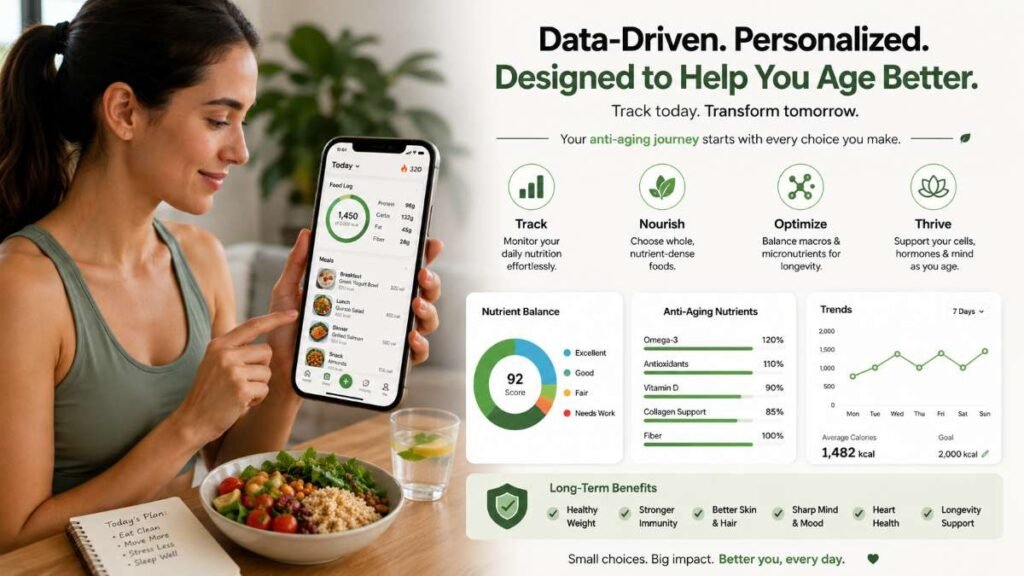
We are living in an era where we can track our internal progress with precision. Using tools like CGM for non-diabetics allows you to see in real-time which foods cause inflammation for your specific body. What makes me look vibrant might be different for you due to genetic and metabolic individuality.
Many biohackers now use biological age test kits to measure how their lifestyle choices are impacting their long-term health markers, rather than just guessing. This level of tracking is the ultimate form of personal health ownership. By logging your intake and noting how you feel, you remove the guesswork from your journey toward longevity. When you commit to a data-driven anti-aging diet, you learn to identify “trigger foods” that lead to bloating, brain fog, or skin breakouts. This proactive approach ensures that your nutritional protocol is personalized, optimizing not just how you look, but how you feel every single day. This data-backed method is the secret to sustained, visible youthfulness that goes deeper than just skin-deep maintenance.
“I highly recommend this—click here to take a look and see how it can upgrade your diet.”
Sleep: The Non-Negotiable Anti-Aging Tool
 Sleep: The Non-Negotiable Anti-Aging Tool
If you are asking what to eat to look 20 years younger but only sleeping five hours a night, you are unfortunately fighting a losing battle. Poor sleep quality spikes ghrelin, the hunger hormone, and significantly suppresses your body’s ability to repair collagen during the nightly REM cycle. Prioritize the 7-hour sleep rule to allow your metabolism to switch into “repair mode.”
Without adequate rest, your body remains in a sympathetic (fight-or-flight) state, which burns through your nutrient stores faster than you can replenish them. Even the most perfect anti-aging diet will fail to produce results if the body is not given the required 7-9 hours of restorative sleep to perform essential cellular cleanup and hormonal balancing. Sleep is when your body synthesizes the proteins that build your skin; without it, your metabolic efficiency drops, and your cellular repair processes stall. By treating sleep as a medical necessity rather than a luxury, you amplify the effects of your nutrition, ensuring that your body has the time and energy to utilize the building blocks you have provided.
Cognitive Longevity: The Brain-Skin Axis
 Cognitive Longevity: The Brain-Skin Axis
Did you know that your brain health directly influences how your skin ages? This is known as the “Brain-Skin Axis.” Chronic neuroinflammation is often visible on the face as persistent puffiness, dullness, and dark circles that no amount of concealer can fully hide. By prioritizing neuro-nutrients, you support this critical connection.
Foods rich in magnesium—like pumpkin seeds and dark leafy greens—and B-vitamins don’t just optimize neurotransmitter function for a sharper mind; they act as potent buffers against stress-induced aging. When you feed your brain high-quality fats like DHA and EPA, you effectively “calm” the systemic inflammatory fire that causes skin’s structural proteins to degrade. Beyond this, cognitive health supports the hormones that regulate skin cell turnover, meaning a sharper mind often leads to a visibly clearer, more luminous complexion.
Stress Management: The Silent Aging Factor
 Stress Management: The Silent Aging Factor
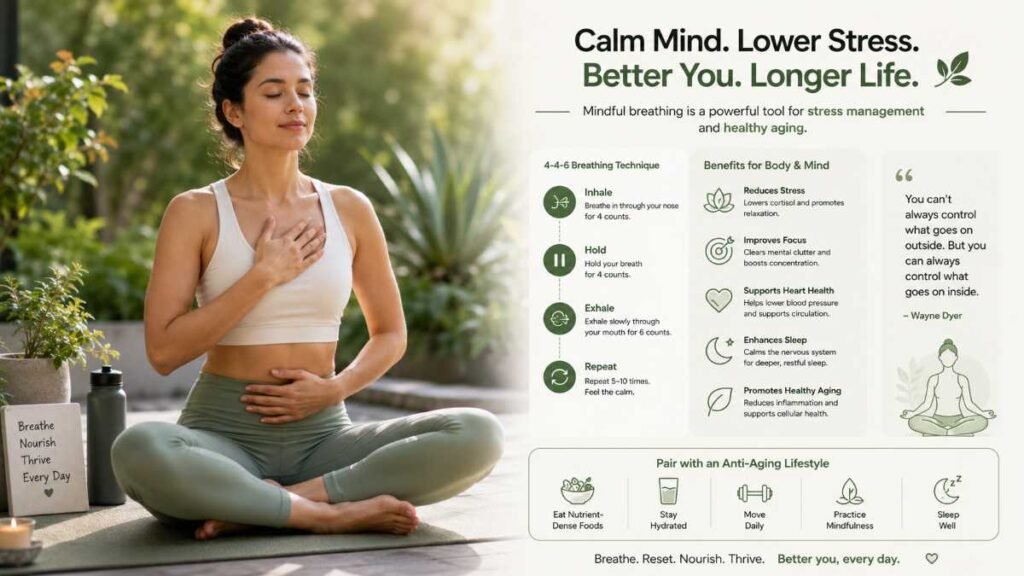
Stress is arguably the most potent accelerator of cellular aging, yet it is the factor most often ignored. When your cortisol levels remain chronically elevated, your body enters a catabolic state, breaking down muscle and skin tissue to mobilize energy for “survival.” This process directly interferes with collagen synthesis and accelerates the shortening of telomeres.
Incorporating vagus nerve exercises—such as deep, slow diaphragmatic breathing, meditation, or cold exposure—helps shift your nervous system into a parasympathetic “rest and digest” state. This is the only physiological state in which your body prioritizes “maintenance” and “repair” over survival, allowing your skin cells to regenerate effectively rather than weathering the constant storm of high-cortisol exposure. By actively managing your stress response, you protect your body from the “wear and tear” that manifests as premature wrinkles and fatigue.
Hydration and Micronutrient Density
 Hydration and Micronutrient Density
Beyond simple water intake, true cellular hydration is about precise mineral balance. Look toward best herbal teas for digestion or homemade, mineral-rich bone broths, which provide the electrolytes necessary for intracellular water retention. Micronutrient deficiency—specifically in Zinc, Vitamin C, and Selenium—is surprisingly common even in well-fed populations.
Zinc acts as a vital cofactor for collagen production, while Vitamin C is essential for stabilizing the collagen molecule itself. Selenium provides critical antioxidant defense against environmental pollutants that strip the skin of its vitality. By ensuring a diverse intake of colorful, nutrient-dense whole foods, you are not just “feeding” your body; you are providing the raw material for complex biochemical reactions that ensure cellular integrity and vibrant skin tone long into the future.
Editorial Verdict
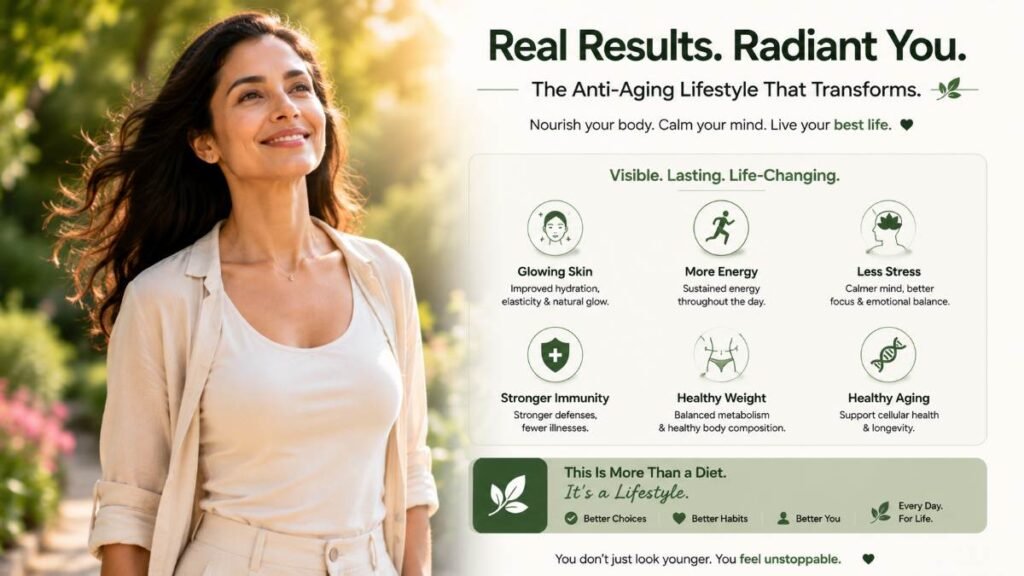
“This protocol acts as a comprehensive roadmap for metabolic longevity. By moving beyond superficial fixes and focusing on cellular repair, you are optimizing your biology rather than just slowing down aging. Consistent adherence to this anti-aging regimen is the most effective way to invest in your long-term radiance and vitality.”
Scientific References:
❓ Frequently Asked Questions
What are the top 10 foods for an Anti-Aging Diet?
Focus on nutrient-dense staples like avocados, blueberries, fatty fish, walnuts, pomegranate, and green tea, which combat oxidative stress and support cellular repair.
What is the Japanese secret to slow aging?
It revolves around three core habits that define an effective Anti-Aging Diet: Ikigai (finding a clear life purpose), Hara Hachi Bu (eating until 80% full), and a plant-forward nutrition plan rich in antioxidants to fight inflammation.
What are the 7 pillars of ageing?
These include genomic instability, telomere attrition, epigenetic alterations, loss of proteostasis, deregulated nutrient sensing, mitochondrial dysfunction, and cellular senescence—all of which can be better managed through a consistent Anti-Aging Diet.
What is the 90% cause of aging?
While genetics play a role, roughly 90% of premature aging is driven by lifestyle factors like chronic inflammation, poor metabolic health, and oxidative stress.
✍️👤 About the Author
Dambar R. is a dedicated wellness researcher and the visionary founder of MyHealthyLifeUK. With over a decade of hands-on experience in metabolic science and practical nutrition, he specializes in creating sustainable health transformations for modern lifestyles.
Based on his extensive research, Dambar empowers individuals across the UK and USA to reach their peak fitness goals through science-backed health tips without sacrificing the joy of everyday eating. His mission is to bridge the gap between complex health data and actionable habits that foster long-term vitality and holistic wellness.
⚠️ Medical Disclaimer
The information provided on MyHealthyLifeUK is for educational and informational purposes only. It is not intended to be a substitute for professional medical advice, diagnosis, or treatment.
- Professional Guidance: Always seek the advice of your Physician (GP) or another qualified health provider regarding any medical condition.
- Specialized Advice: For personalized dietary needs, we recommend consulting a Registered Dietitian.
- Safety First: Consult a professional before starting any new fitness or nutrition program.
Never disregard professional medical advice or delay seeking it because of something you have read on this website.