
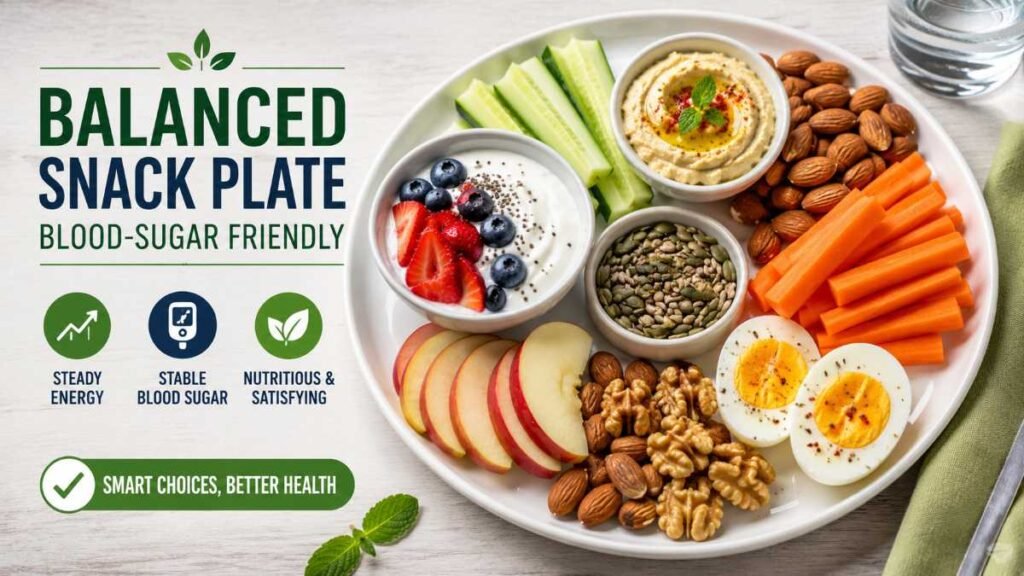
Do you ever hit that mid-afternoon wall where your focus vanishes, your hands get shaky, and all you can think about is a sugary treat? Let’s be real—the “sugar crash” cycle is a brutal productivity killer, but it doesn’t have to be your reality. I’ve spent years experimenting with nutrition to stabilize my own energy, and the secret isn’t cutting out snacks entirely; it’s choosing ones that respect your metabolism. In this guide, I’m sharing how you can leverage blood sugar friendly snacks to stay sharp, satiated, and fueled all day long without the dreaded glucose spikes
 Why Blood Sugar Management is Your Secret Weapon
 Why Blood Sugar Management is Your Secret Weapon
Most people treat their metabolism like a rollercoaster. You eat a high-carb snack, your glucose skyrockets, and then you crash. To get off this ride, you need to understand why blood sugar friendly snacks are the foundation of long-term health. When you stabilize your glucose, you aren’t just preventing diabetes; you are optimizing your brain function and mood. In my experience, the difference between a “good day” and a “foggy day” often comes down to the quality of the fats and proteins you pair with your carbohydrates. It’s not just about what you eat, but how those macros interact in your bloodstream.
I’ve found that managing these levels is about consistency, not perfection. When you stop the cycle of extreme highs and lows, you’ll notice that your cravings naturally diminish. It is less about restriction and more about metabolic liberation. By choosing foods that provide a sustained release of energy, you move from “surviving the afternoon” to “thriving through it.” If you’re feeling constantly drained, you might want to look into Simple Healthy Living Tips to see if other lifestyle habits are impacting your baseline energy.
The Glycemic Impact: A Quick Comparison
Snack Type | Glucose Response | Energy Consistency |
Refined Crackers | Rapid Spike | Short-lived |
Apple + Almond Butter | Moderate Rise | Stable |
Handful of Walnuts | Minimal Change | Very Stable |
��The Science of Satiety: How to Build Blood Sugar Friendly Snacks
Many people struggle because they think “healthy” means just eating fruit. While fruit is nutritious, a high-sugar fruit by itself can trigger a sharper glucose response in some individuals. To create truly blood sugar friendly snacks, you must master the art of “food coupling.” My pro-tip for a smoother metabolic response is always to include fiber, protein, or healthy fat with any carbohydrate. This combination slows down gastric emptying, ensuring that glucose enters your bloodstream at a steady, manageable pace.
If your gut health is off, no amount of smart snacking will save you. A diverse microbiome is essential for processing glucose correctly. When you combine high-fiber snacks with fermented foods, you aren’t just snacking—you’re fueling your longevity. It’s about building a robust internal system that can handle life’s stressors without reaching for a sugary “quick fix.” A healthy gut acts as a metabolic buffer, improving your body’s ability to handle the occasional dietary indulgence.
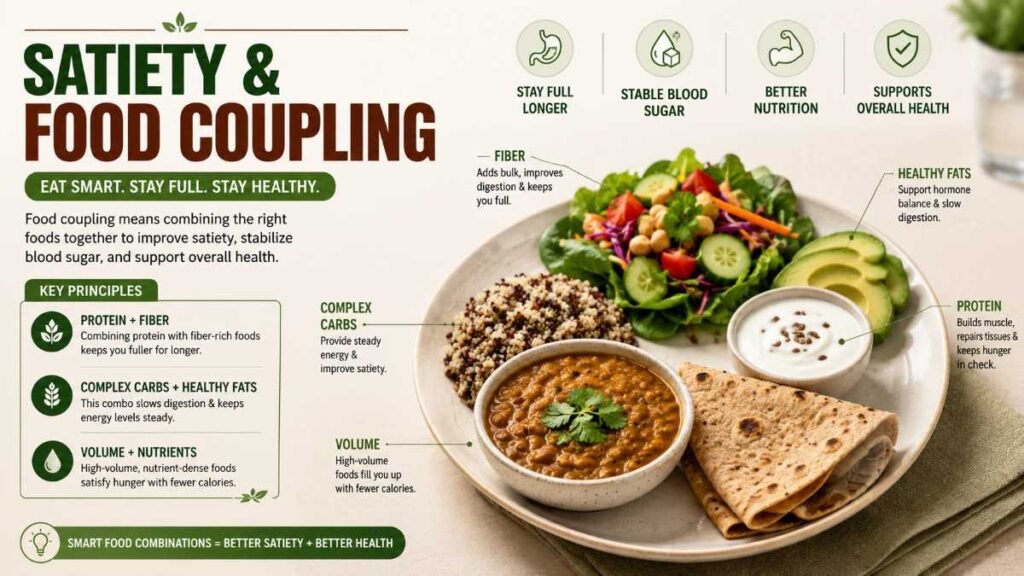
Top 5 Real-Food Blood Sugar Friendly Snacks for Busy Days
 Top 5 Real-Food Blood Sugar Friendly Snacks for Busy Days
Tired of wasting money on “sugar-free” bars that are secretly loaded with weird sugar alcohols? I’ve tried dozens of store-bought “health” snacks, and honestly, most didn’t live up to the hype. When you want something reliable, stick to these whole-food staples:
- Avocado with Sea Salt: The ultimate fat-fiber combo.
- Pumpkin Seeds (Pepitas): High in magnesium and excellent for metabolic health.
- Celery Sticks with Natural Almond Butter: Crunch + satiety.
- Full-Fat Cottage Cheese: Packed with casein protein for slow-release energy.
- Olives: A savory, fat-rich snack that provides steady energy.
If you are always on the go, preparation is key. I suggest checking out Healthy Meal Prep for Weight Loss to ensure you have these staples ready. Having a container of hard-boiled eggs or pre-portioned nuts in your fridge prevents that “hunger panic” that leads to poor food choices. It’s a game-changer for anyone trying to master their Metabolic Flexibility Blueprint. Remember, the goal is to choose snacks that are unprocessed; the closer to the source the food is, the better your body processes it.
The "Sandwich Method" for Metabolic Balance
 The "Sandwich Method" for Metabolic Balance
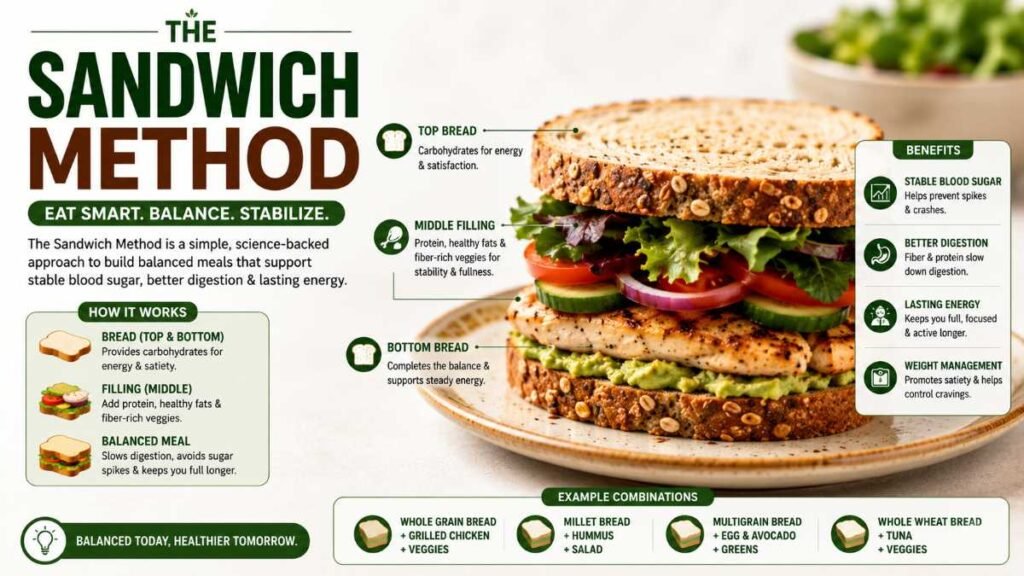
Just like we use the “Sandwich Method” for skincare to protect the skin barrier, you can use a similar concept for snacking. Never have a “naked” carb. If you want a slice of whole-grain toast, “sandwich” it between a layer of healthy fat (like olive oil or smashed chickpeas) and a protein source (like smoked salmon or hemp seeds). This is a simple, effective way to ensure your blood sugar friendly snacks keep you satiated for hours.
Think of it as a barrier against the spike. By surrounding your carbs, you physically inhibit the rapid absorption of glucose into the bloodstream. If you find your energy levels are still dragging despite these changes, you might need to look at your overall Nutrition Guide for Beginners to ensure you aren’t under-eating protein at your main meals. Remember, a snack is intended to be a bridge between meals, not a replacement for balanced nutrition.
Identifying the Hidden Culprits in Your Pantry
 Identifying the Hidden Culprits in Your Pantry
Let’s be real—marketing labels can be deceptive. A package might scream “Natural,” but that doesn’t mean it won’t wreck your glucose. When looking for blood sugar friendly snacks, ignore the front of the box. Go straight to the ingredients list. Watch out for high fructose corn syrup, dextrose, maltodextrin, and agave nectar.
Many people ignore the Ultra-Processed Food UPF List while focusing solely on sugar. Even if a snack is “low sugar,” if it’s filled with refined oils and fillers, it may contribute to systemic inflammation in some individuals. My advice? If you can’t pronounce the ingredients, or if there are more than five, leave it on the shelf. Quality matters just as much as the carbohydrate count; focusing on single-ingredient foods is the simplest way to bypass misleading labels.
How to Plan Your Snacking Strategy (Pro-Level)
 How to Plan Your Snacking Strategy (Pro-Level)
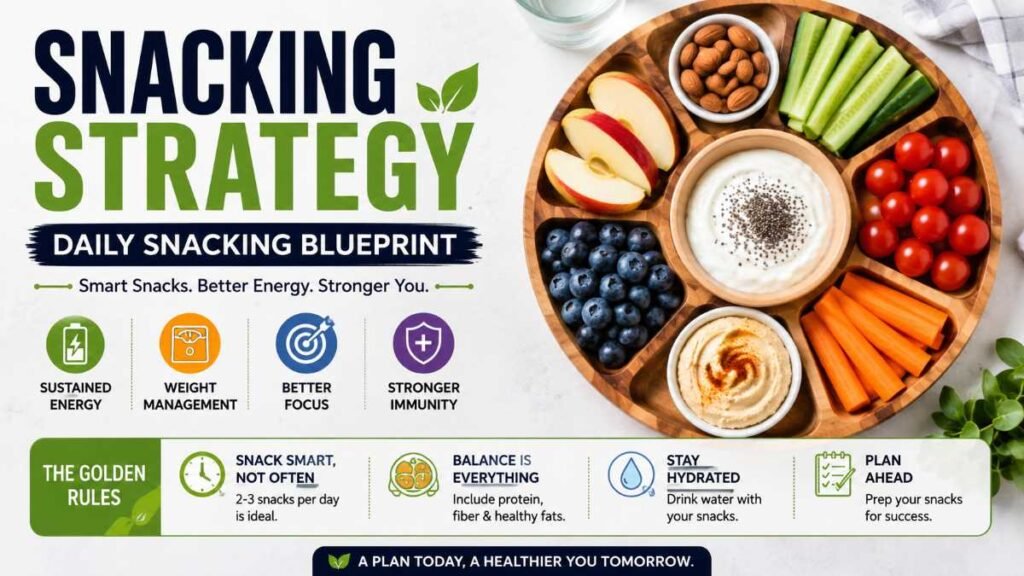
You don’t need a PhD to be a metabolic pro. I recommend keeping a simple log for one week. Write down what you ate, how you felt 30 minutes later, and whether you felt the need for a second snack shortly after. If you are hungry an hour after eating, your snack was likely too low in protein or fat.
My Daily Snacking Blueprint:
- 10:30 AM: A small portion of berries with a handful of walnuts.
- 3:30 PM: A savory snack like a hard-boiled egg or sliced cucumber with hummus.
If you are trying to lean out while managing energy, integrating the 30-30-30 Rule for Weight Loss can also help manage cortisol. High cortisol levels often drive sugar cravings; by controlling your stress and your snacks, you eliminate the double-threat of insulin and cortisol spikes. Planning your environment is just as important as planning your menu—keep the nutrient-dense options visible and the processed items out of sight.
�� Biohacking Your Glucose Levels: The Data Approach
We are living in an incredible time for health. Beyond just choosing the right food, you can now use data to see how your body reacts to specific items. Using a CGM for Non-Diabetics allows you to see in real-time which “healthy” snacks are actually causing you trouble.
You might be surprised to find that a sweet potato works great for you, but an apple causes a significant spike. This is the ultimate level of personalized nutrition, allowing you to tailor your intake to your unique biology rather than general guidelines. While CGM data is a powerful tool, it should be used for patterns, not obsession. I suggest tracking for two weeks to identify your “trigger foods” and then using that data to build your permanent snacking protocol. It is not about reaching for perfection every single day; it is about understanding your biological footprint so you can make informed choices.
The Connection Between Sleep and Snacks
 The Connection Between Sleep and Snacks
Did you know that one night of poor sleep can make you significantly more insulin resistant the next day? It’s true. Research suggests that sleep deprivation spikes ghrelin—the hunger hormone—while suppressing leptin, which signals fullness. Getting high-quality rest may support insulin sensitivity by allowing for better recovery. If you are exhausted, your body will naturally demand fast-acting sugar for energy to compensate for the fatigue.
By prioritizing your sleep quality, you make your journey toward blood sugar friendly snacks much easier because your body won’t be screaming for instant glucose. When you are well-rested, your willpower is stronger, and your metabolism is more efficient. Stop treating sleep as a luxury and start viewing it as a metabolic intervention. For more on this, check out my guide on the 7-Hour Sleep Rule for Deep Sleep.
Breaking the Sugar Cycle: A Psychological Shift
 Breaking the Sugar Cycle: A Psychological Shift
Let’s get real for a second—sometimes the desire to snack isn’t about hunger at all. It’s about emotion. Many of us reach for a biscuit when we are stressed, bored, or feeling uninspired. I’ve been exactly where you are, using sugar as a crutch to get through a long afternoon of meetings or household chores. The brain learns that sugar provides an instant (though temporary) hit of dopamine, which creates a psychological loop that is very hard to break. The most effective blood sugar friendly snacks won’t help if your brain is still “quiet quitting” on your health goals due to emotional triggers.
If you feel like your cravings are tied to stress rather than true physiological hunger, you need to address the root cause, not just the symptom. Consider a Dopamine Detox to Reset Your Focus if you feel like your cravings are constantly hijacking your productivity. When you decouple your emotions from food, you gain the freedom to eat only when you truly need the fuel. Start by asking yourself: “Am I hungry, or am I just looking for a distraction?” Once you can identify the emotion behind the hunger, you reclaim your power over the snack drawer.
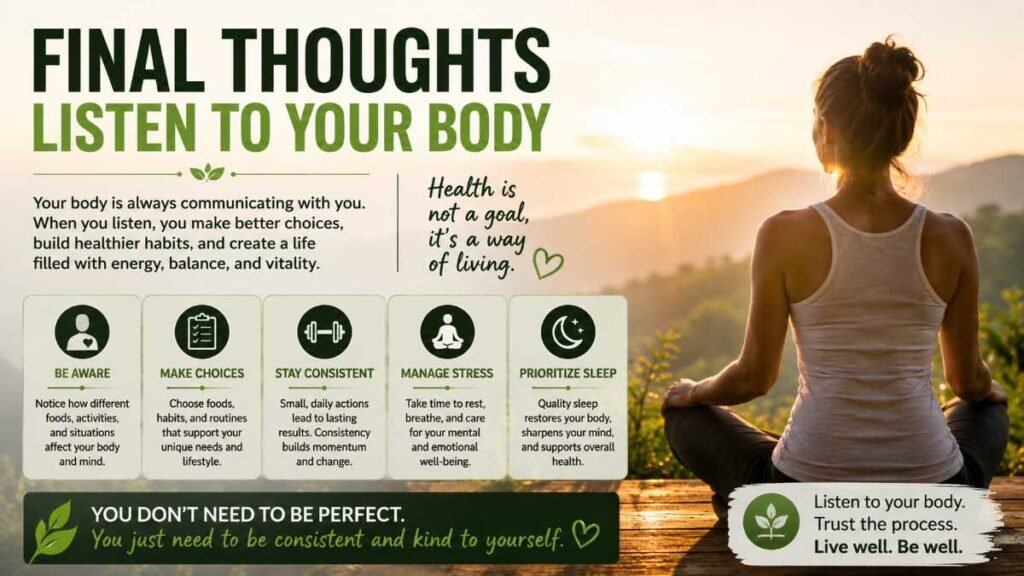
Final Thoughts: Listen to Your Body

At the end of the day, there is no “one-size-fits-all” diet. What works for my metabolism might differ from yours. The goal of choosing blood sugar-friendly snacks is to put you back in the driver’s seat of your own health. By avoiding those exhausting glucose spikes, you regain the mental clarity and steady energy you’ve been missing. Listen to your body’s signals—it knows what it needs. Trust the process, stay consistent, and enjoy the freedom of feeling truly balanced.
External Resources for Further Reading:
- Glycemic Index Explained: Insights on how different carbohydrates impact your glucose levels from Harvard Health Publishing.
- Evidence-Based Nutrition Advice: Comprehensive dietary guidance and standards provided by the American Diabetes Association.
Frequently Asked Questions
- Which snacks won’t spike my blood sugar? Opt for blood sugar friendly snacks rich in protein, healthy fats, and fiber. Celery with almond butter, eggs, or pumpkin seeds are great to slow glucose absorption and prevent energy crashes.
- How do I avoid glucose spikes? Practice “food coupling”—never eat “naked” carbs. Always pair them with protein or fat to ensure your blood sugar friendly snacks provide steady, balanced energy throughout the day.
- What is best for long-term metabolic health? Focus on unprocessed whole foods like avocado, olives, or cottage cheese. These blood sugar friendly snacks improve insulin sensitivity and support long-term metabolic longevity.
- How to get quick, stable energy? Skip sugary treats and choose nuts or seeds. They provide sustained satiety and steady fuel, keeping your energy sharp and consistent without the dreaded “sugar crash.”
✍️👤 About the Author
Dambar R. is a dedicated wellness researcher and the visionary founder of MyHealthyLifeUK. With over a decade of hands-on experience in metabolic science and practical nutrition, he specializes in creating sustainable health transformations for modern lifestyles.
Based on his extensive research, Dambar empowers individuals across the UK and USA to reach their peak fitness goals through science-backed health tips without sacrificing the joy of everyday eating. His mission is to bridge the gap between complex health data and actionable habits that foster long-term vitality and holistic wellness.
⚠️ Medical Disclaimer
The information provided on MyHealthyLifeUK is for educational and informational purposes only. It is not intended to be a substitute for professional medical advice, diagnosis, or treatment.
- Professional Guidance: Always seek the advice of your Physician (GP) or another qualified health provider regarding any medical condition.
- Specialized Advice: For personalized dietary needs, we recommend consulting a Registered Dietitian.
- Safety First: Consult a professional before starting any new fitness or nutrition program.
Never disregard professional medical advice or delay seeking it because of something you have read on this website.