
Lower back pain in women has become a silent epidemic in 2026, often dismissed as mere exhaustion. Let’s be honest—how many times have you pushed through a dull ache, blaming it on a long day or lack of sleep? The reality is far more complex, deeply rooted in our unique physiology and modern lifestyle demands. Whether it is the recurring, frustrating ache during hormonal shifts or chronic strain from desk-bound days, understanding these triggers is the first step toward reclaiming your mobility. In this guide, we explore the primary causes of lower back pain in women and provide evidence-based, expert strategies to restore your vitality, focusing on lasting spinal health rather than just quick fixes.
Sedentary Lifestyle and "Tech Neck"
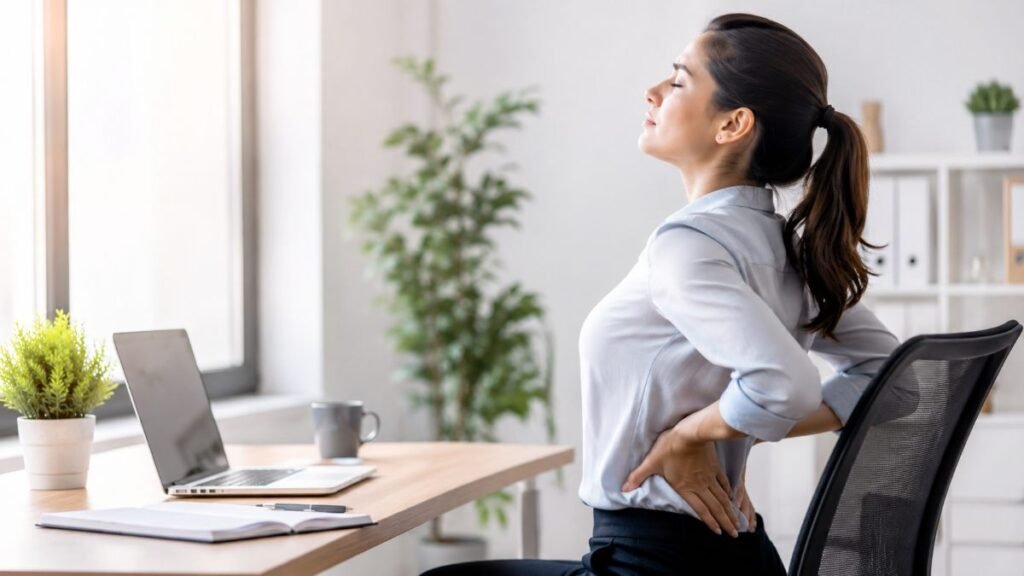
In 2026, women’s lower back pain is frequently linked to the rise of remote work. After hours of hunching over a laptop, have you noticed your lower back screaming for relief? Prolonged sitting causes hip flexors to shorten, pulling the pelvis forward and creating excessive lumbar strain.
- The Desk-Bound Trap: Sitting for 8+ hours effectively “shuts down” Your muscles gradually lose their ability to provide the necessary support.
- Muscular Imbalance: Weak glutes force the lumbar muscles to compensate, leading to chronic tightness.
If your job keeps you glued to a chair, you must incorporate dynamic movement. Many women tell me they just try to “sit straighter,” but the real answer is moving more often. Instead of static, boring stretching, focus on dynamic mobility. The mind-body connection is essential for managing the back pain in women that arises from modern occupational hazards. Stand up, pace around, or do a few squats every 45 minutes; these tiny transitions prevent long-term spinal degradation.
Long hours at your desk put immense pressure on your spine. Using ergonomic support like The Sleep Company SmartGRID Seat + Back Cushion Combo helps maintain healthy posture and relieves lumbar strain, keeping your back pain-free even during the longest work days.
Period-Related Pain: The Hidden Connection
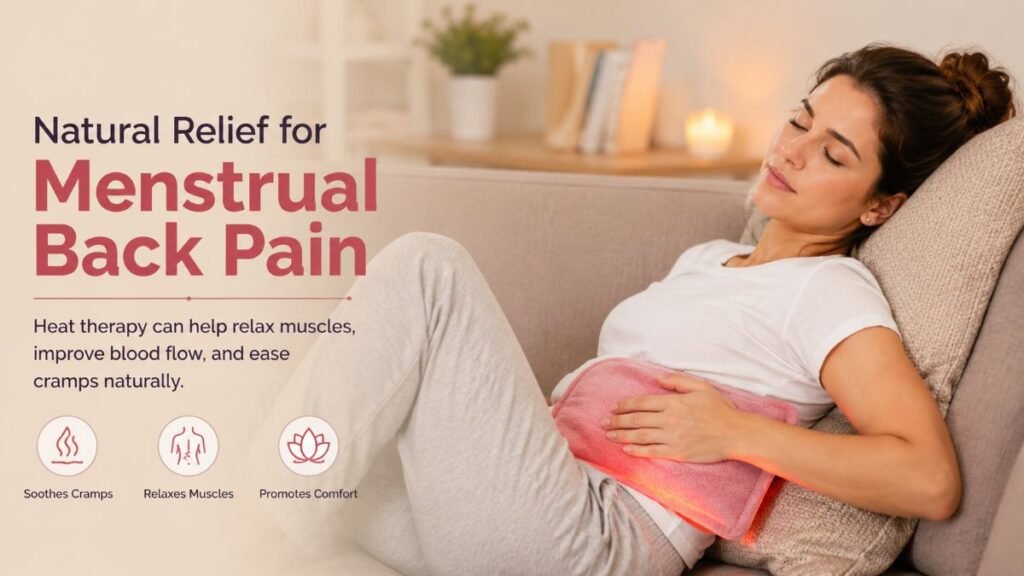
Many women experience significant, deep discomfort during their menstrual cycle. Prostaglandins, natural chemicals released during menstruation, cause uterine contractions that radiate into the lower back.
- Prostaglandin Surge: These inflammatory mediators increase pain sensitivity across the entire pelvic girdle.
- Pelvic Floor Tension: Excessive tightening during cramps often radiates directly to the lumbar vertebrae.
For many, lifestyle adjustments like gentle heat therapy may help manage symptoms associated with hormonal fluctuations. Keep a pain diary to track if your lumbar pain in women spikes during specific cycle phases. Please understand that this isn’t just in your head; there are very real biological factors at play here. Always consult with a doctor if the pain interferes with daily life, as it could indicate conditions needing professional intervention. Consistent tracking helps you anticipate the pain rather than being caught off guard every single month.
Endometriosis and Structural Issues
Sometimes, the pain isn’t just “period pain” or “muscle fatigue.” Conditions like endometriosis can cause tissue growth that exerts pressure on surrounding nerves, causing a deep, gnawing pain.
- Referral Pain: Tissue growth outside the uterus often irritates spinal nerve pathways.
- Systemic Inflammation: Endometriosis creates an inflammatory environment that impacts total spinal health.
Managing these structural issues requires a multidisciplinary approach. Complementary lifestyle-based approaches can be a piece of the puzzle, focusing on lowering systemic inflammation. If your pain is debilitating and keeps you from living your life, seeking specialized medical advice is non-negotiable. Don’t settle for “just take a painkiller.” Early intervention remains the gold standard, as delayed treatment allows inflammation to become deeply embedded in the surrounding tissues.
Aging and Bone Density
Female lower back pain after 40 is frequently linked to a natural, gradual decrease in bone density.
- Osteopenia Awareness: Early bone density scans are key to preventing structural collapse.
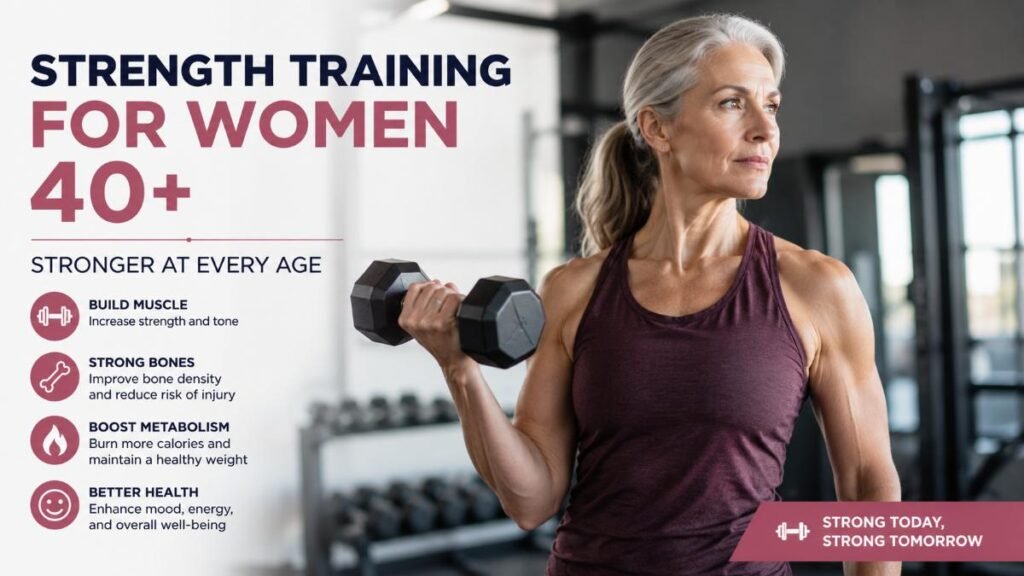
- Structural Support: Consistent weight-bearing exercises build spinal integrity.
It’s easy to ignore bone health until something goes wrong, but focusing on specialized movements now is your best insurance policy. Using an advanced blood testing guide helps identify deficiencies in Vitamin D or Calcium before they impact your bone health. By combining proactive health screenings with consistent strength training, you can effectively manage the natural challenges of aging and maintain your mobility for years to come.
The Role of Core Weakness
Many women overlook deep core engagement. It’s not just about getting a “toned” look; your transversus abdominis acts as a natural corset for your spine.
- Activation: Focus on controlled, deep breathing techniques rather than surface crunches.
- Stability: Prioritize static holds to build muscle endurance and protect the lumbar discs.
Strengthening the core is one of the most effective strategies for managing mechanical lower back pain in women. Think of your core as the foundation of your body; when it lacks strength, it’s like trying to build a house on unstable ground, which inevitably puts excess pressure on your lower back. I’ve seen so many women find relief simply by mastering how to “brace” their core during daily tasks like lifting groceries or even just standing at the kitchen counter. It’s a game-changer.
Your core is your spine’s natural corset. To build stability and protect your lumbar discs, I recommend using a high-quality Yoga Mat or Stability Ball. These tools are perfect for core-strengthening moves that effectively manage mechanical lower back pain in women.
Stress, Cortisol, and Back Tension
Have you ever noticed your lower back feels tighter during a stressful work week? Stress is a physical force. High cortisol levels cause your muscles to remain in a chronic state of tension.
- The Stress-Pain Cycle: Chronic cortisol exposure slows down tissue repair.
- Somatic Release: Using somatic exercises for stress helps the nervous system release physical tension.
Learning how to lower cortisol levels is a powerful, often overlooked tool. By managing your stress, you allow the muscles to relax, ending the cycle of persistent tightness that limits your daily mobility. Taking intentional steps to regulate your nervous system through meditation or breathing techniques can prevent stress from manifesting as structural back pain.
Sleep Architecture and Recovery
Much of your body’s recovery process occurs while you sleep. If you wake up feeling like you’ve been run over by a truck, your sleep environment is likely the culprit.
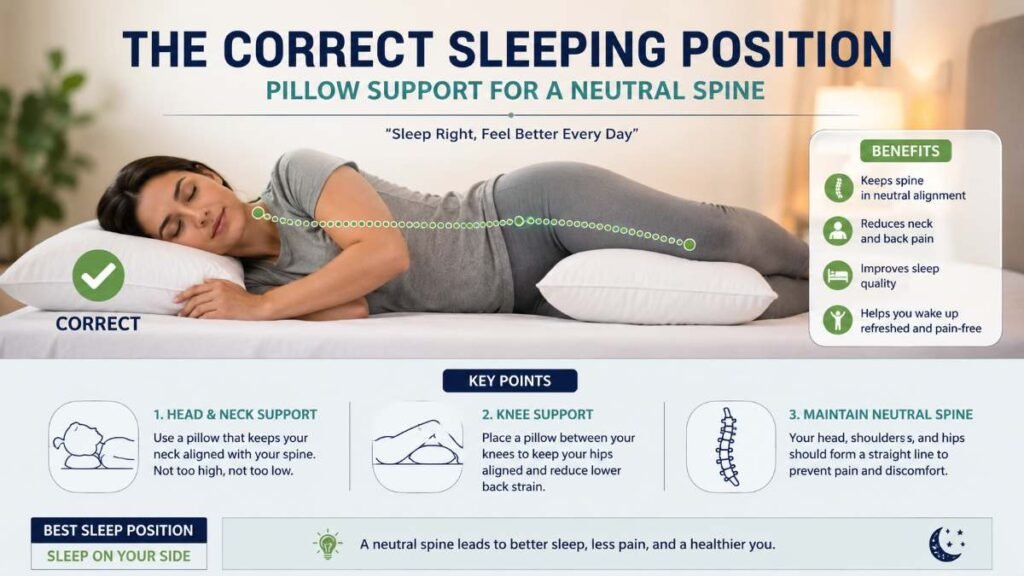
- Spinal Neutrality: Use pillows to maintain a neutral spine.
- Mattress Integrity: An aged mattress lacks the support necessary for deep recovery, forcing the spine into unnatural curves all night.
Checking your deep sleep guide can change your recovery speed. Treat your bedroom like a sanctuary for spinal healing to mitigate lower back pain in women arising from poor rest. Proper sleep hygiene is fundamental to ensuring your musculoskeletal system gets the rest it requires to heal from the day’s wear and tear.
Metabolic Health and Spinal Inflammation
Inflammation is often systemic. If blood sugar is unstable, the body stays in a state of high inflammation, which makes joint pain worse.
- Blood Sugar Stability: Fluctuating glucose levels can aggravate chronic pain.
- Nutrition: Adopting a balanced diet guide provides nutrients to calm systemic irritation.
Reducing refined sugars can be a total game-changer for those dealing with persistent lower back pain in women. A stable metabolic environment supports cartilage and disc health, significantly reducing the frequency and severity of inflammatory flare-ups. You might be surprised how much better your back feels when you stop the “blood sugar rollercoaster.”
The Ergonomic Evolution
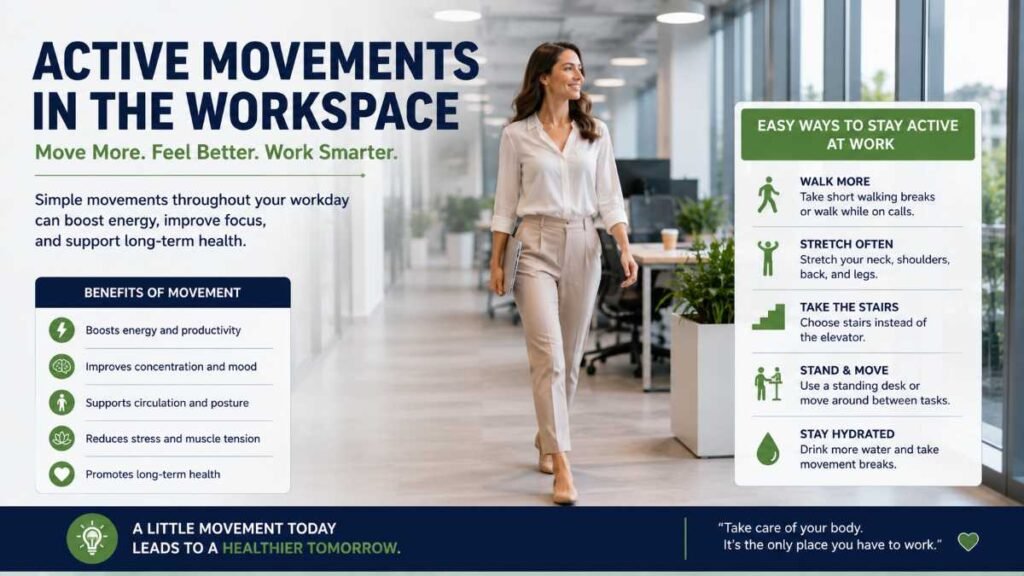
In 2026, the “Active Workspace” concept is crucial. It’s not just about the chair; it’s about how you move throughout the day.
- Movement Breaks: Stand or walk every 45 minutes to prevent stiffening.
- Eye-Level Alignment: Proper screen height prevents forward head posture that strains the spine.
Implementing these changes transforms your workspace from a risk factor into a tool for prevention. Small, consistent ergonomic adjustments are far more effective than trying to “fix” back pain after years of damage have already occurred. Treat your desk setup with the same care you would treat a high-performance vehicle—your spine deserves nothing less.
Expert Summary: Symptom Indicators
Cause Category | Primary Indicator | Recommended Priority |
Mechanical | Relief with light movement | Physical Therapy |
Hormonal | Cyclic flare-ups | Nutrition & Lifestyle |
Neurological | Radiating numbness/tingling | Immediate Clinical Care |
Inflammatory | Morning stiffness > 30 mins | Diagnostic Bloodwork |
Red Flags: When to Seek Emergency Care
If you experience any of these, contact a healthcare provider immediately:
- Loss of bladder or bowel control.
- Progressive leg weakness or “foot drop.”
- Saddle anesthesia (numbness in the groin area).
- Unexplained, severe weight loss or fever combined with back pain.
Frequently Asked Questions
Q: How can I manage lower back pain in women?
A: While there is no instant “cure,” you can effectively manage lower back pain in women through targeted physical therapy, core-stabilization exercises, and consistent lifestyle habits. Always consult a specialist for a tailored plan.
Q: Which three exercises are best for core stability?
A: For spinal support, the curl-up, side bridge, and bird-dog are the gold standard. These movements build the core endurance needed to stabilize your spine and provide long-term relief from lower back pain in women.
Q: What are the 5 red flags of back pain?
A: Seek immediate care for: loss of bladder/bowel control, progressive leg weakness, saddle numbness, unexplained fever, or sudden weight loss.
Q: How to achieve long-term relief?
A: Permanent relief for lower back pain in women requires an active workspace, a strong core, and an anti-inflammatory diet.
Conclusion
Managing lower back pain in women isn’t about finding a miracle cure; it’s about a holistic commitment to spinal health. By optimizing your ergonomics, metabolic balance, and stress management, you build the foundation your spine needs to thrive. Remember, consistent, small adjustments—like mastering core stability and prioritizing sleep posture—deliver the most significant results. Listen to your body and make professional screenings a priority. You only have one spine; care for it with the focus it deserves, because your long-term mobility and vitality depend on it.
References
✍️👤 About the Author
Dambar R. is a dedicated wellness researcher and the visionary founder of MyHealthyLifeUK. With over a decade of hands-on experience in metabolic science and practical nutrition, he specializes in creating sustainable health transformations for modern lifestyles.
Based on his extensive research, Dambar empowers individuals across the UK and USA to reach their peak fitness goals through science-backed health tips without sacrificing the joy of everyday eating. His mission is to bridge the gap between complex health data and actionable habits that foster long-term vitality and holistic wellness.
⚠️ Medical Disclaimer
The information provided on MyHealthyLifeUK is for educational and informational purposes only. It is not intended to be a substitute for professional medical advice, diagnosis, or treatment.
- Professional Guidance: Always seek the advice of your Physician (GP) or another qualified health provider regarding any medical condition.
- Specialized Advice: For personalized dietary needs, we recommend consulting a Registered Dietitian.
- Safety First: Consult a professional before starting any new fitness or nutrition program.
Never disregard professional medical advice or delay seeking it because of something you have read on this website.