
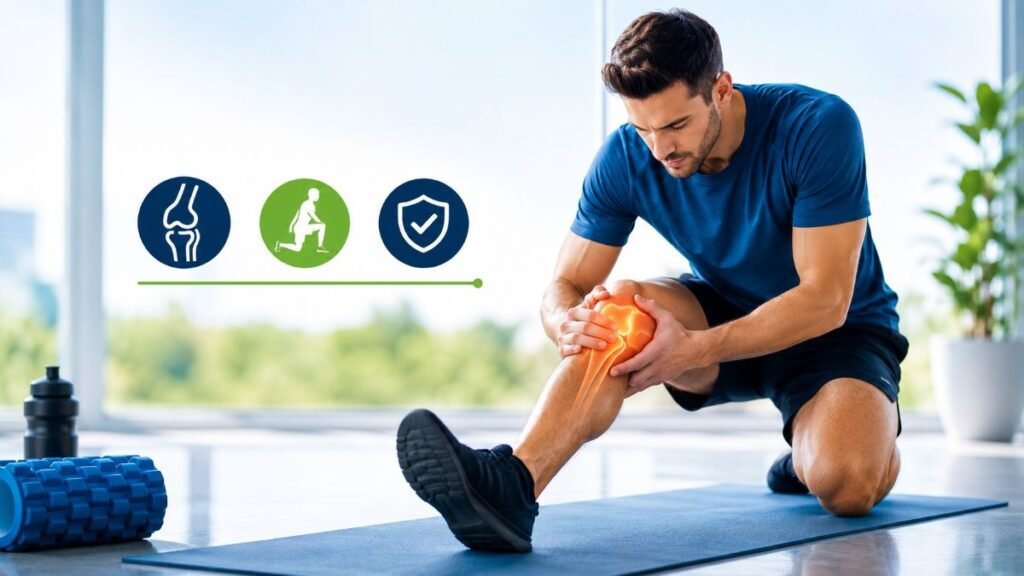
If your knee joint has started to feel like a rusted hinge that only works after a period of struggle, you aren’t just imagining things—you are feeling the result of cumulative mechanical stress. Walking, climbing stairs, or even standing up from a chair shouldn’t be a negotiation with your own body. Many people get lost in a cycle of temporary fixes, but the real path to knee pain relief lies in understanding how your entire leg moves as a single, integrated unit rather than just treating the point of pain.
Understanding the Anatomy of Discomfort
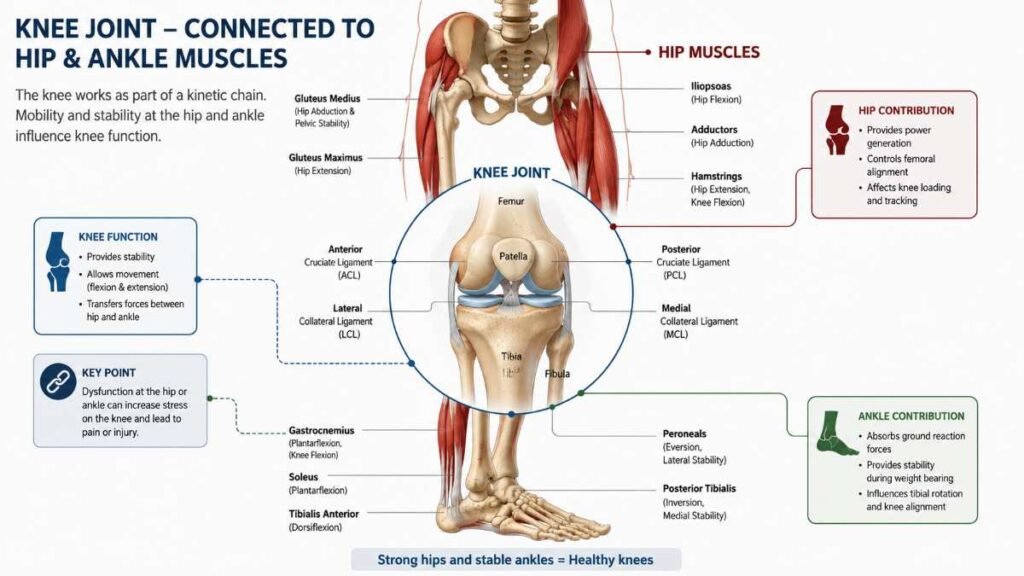
“Your knee acts as the central link connecting your hip and ankle in the kinetic chain. When patients come to me with chronic discomfort, the problem is rarely just the joint itself. Often, the knee is simply the “victim” of poor support from the muscles above and below it. If your glutes are underactive, your knee takes the burden of every step. By strengthening your hip abductors and improving ankle range of motion, you create a stable foundation that removes the unnecessary grind from your patellofemoral joint.
- Stability First: Your quadriceps act as the primary tension cables. If they are tight or imbalanced, the knee cap tracks off-center.
- Movement Patterns: Small errors in how you walk—like inward knee caving—create uneven cartilage wear.
- The Inflammation Cycle: Persistent swelling is often a sign of ongoing mechanical overload, not just a “bad knee.”
The Evidence-Based "RICE" Evolution
For years, we were told to put ice on everything and stay off our feet. While resting is necessary after an acute injury, modern physical therapy now emphasizes gradual movement. Today, we follow the principle of “optimal loading.” Moving the joint gently encourages synovial fluid—the body’s natural joint lubricant—to circulate. By avoiding complete immobilization, you prevent the stiff, disorganized scar tissue that often makes a recovering knee feel tighter than the injured one.
Table: Clinical Approach to Joint Management
Phase | Focus | Recommended Action |
Acute | Pain Management | RICE protocol for initial 48 hours |
Recovery | Restoring Mobility | Gentle range-of-motion movements |
Maintenance | Progressive Loading | Functional strength training |
“Need extra support during recovery? A breathable Boldfit Knee Support provides the proprioceptive feedback your joint needs to feel secure while moving.”
Sustainable Exercises for Resilient Joints
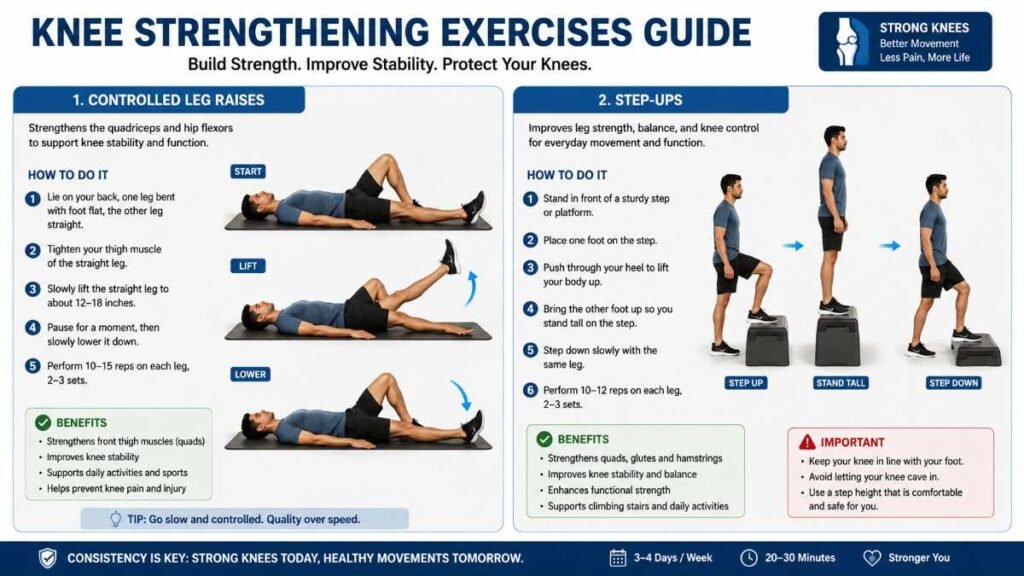
To support your knees, you must train the surrounding muscles to act as natural braces. If your VMO (the teardrop muscle on the inner thigh) is weak, your knee cap won’t move smoothly. Instead of high-impact jumping, focus on “isometrics”—holding a position under tension. This strengthens the tendon and muscle attachment without grinding the joint surfaces together. It isn’t about how much weight you lift; it is about how much control you have during the movement.
- Straight-Leg Raises: A simple way to build quad strength without putting weight on the joint.
- Controlled Step-Ups: Focus on keeping the knee aligned with your middle toe.
- Hamstring Curls: These help balance the pull of the quads, preventing the knee from locking out under pressure.
“Strengthening the muscles around your knee is the safest way to offload mechanical stress. Use a durable resistance band set to perform your leg raises and step-ups with added control.”
Lifestyle Protocols: The Internal Foundation
Your body cannot repair cartilage if it is constantly fighting internal inflammation. High blood sugar and systemic inflammation make tendons brittle and slow to heal. By managing your blood glucose through consistent meal timing, you provide your tissues with the stable environment they need for cellular repair. Think of nutrition not as a diet, but as the raw materials your body uses to rebuild your structural integrity every single night while you sleep.
- Load Management: Every extra kilo you carry adds four kilos of pressure to your knees. Learn how in our calorie deficit guide for weight loss.
- “Daily Movement: Prolonged sitting at a desk restricts blood flow, causing connective tissues to stiffen and lose their natural flexibility.”
Nutritional Basics: Focus on whole foods. You can find practical, sustainable advice in our balanced diet and healthy eating guide
When to Seek Professional Intervention
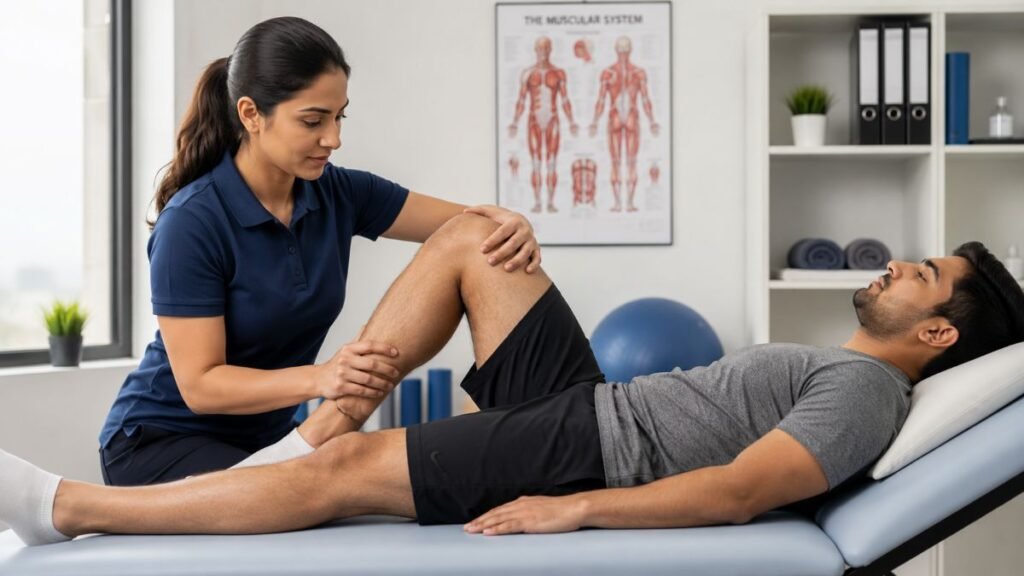
It is important to know the difference between soreness and damage. Adaptive soreness happens when you train hard and recover; pathological damage happens when the structure itself is compromised. If your knee catches, locks, or gives way, it is time for a professional opinion. A diagnostic ultrasound or an orthopedic consult isn’t a sign of defeat—it is a smart way to get the data you need to fix the issue before it leads to long-term wear.
- Mechanical Locking: If the knee feels “stuck” and won’t straighten.
- Inability to Bear Weight: If standing is impossible.
- Night Pain: Pain that prevents deep, restorative sleep.
- Persistent Swelling: If the knee remains puffy for more than a few days after activity.
The Role of Proprioception in Joint Resilience
“Consider proprioception as your body’s personal navigation system. When a knee injury occurs, the sensory signals that map your leg’s position in space can become sluggish, often causing that ‘unstable’ feeling even after the pain has faded. This is why people often “twist” their knee even after the original pain is gone—the joint has forgotten how to stabilize itself. By practicing simple balance drills, you force your nervous system to wake up.
- Micro-Adjustments: Balance work forces the stabilizer muscles to react in real-time.
- Neurological Safety: It tells your brain that the knee is safe to move, reducing protective tension.
- Reactive Stability: This is what turns a stiff, guarded joint back into a fluid, responsive part of your body.
Managing the Inflammatory Cascade
We don’t need “hacks” to reduce swelling; we need consistent habits that support the body’s internal environment. While basic inflammation is part of the healing process, chronic inflammation is just biological noise that hides the root cause. By prioritizing deep recovery—specifically quality sleep and anti-inflammatory nutrition—you help your body transition from the “crisis” phase of an injury into the “repair” phase. True healing isn’t about suppressing the signal; it’s about providing your cells the resources they need to rebuild.
- Consistency: Inflammation remains elevated if you keep aggravating the tissue with repetitive, unsupportive movements.
- Hydration: Proper fluid levels are non-negotiable for joint capsule health and nutrient transport.
- Natural Recovery: Keep your diet simple, as discussed in our gut health guide for beginners.
- Systemic Load: Reducing processed foods significantly lowers the overall inflammatory burden on your joints.
- Evidence: Research highlights how controlling systemic inflammation protects cartilage. For practical tips, check the Arthritis Foundation’s dietary guidelines.
- Metabolic Support: Stable blood sugar is vital; high glucose levels can fuel joint inflammation, making it harder for your body to cool down the “fire” in the knee joint.

Psychological Resilience and Pain Science
Pain is a signal, not always an absolute fact of structural damage. When you are genuinely afraid to move your knee, your brain instinctively keeps your muscles tight to “protect” the area. This often creates a self-fulfilling prophecy: that tension restricts blood flow and increases the feeling of stiffness. Moving with confidence, even in small, manageable amounts, tells your nervous system the joint is safe. This psychological shift is often the precise difference between a knee that stays perpetually stuck and one that begins the real journey of recovery.
Pairing physical movement with mindful self-care routines is essential to ensure your stress levels aren’t amplifying your discomfort. When you lower your baseline cortisol, you effectively raise your pain threshold. By choosing low-risk, controlled movements, you begin to “re-map” your brain’s perception of the joint. Over time, this builds the resilience needed to move away from a cycle of fear toward functional freedom. If stress feels overwhelming, learn more about nervous system regulation to help quiet the “fight or flight” response—a calm brain coordinates pain-free movement much better than a stressed one.
Final Verdict: Reclaiming Your Mobility
Knee pain relief isn’t found in a magic pill; it’s built through consistent, smarter daily habits. By strengthening your kinetic chain and choosing movement over rest, you can finally transform your joint health. Stop “guarding” your knee—start engineering its resilience today.
Frequently Asked Questions
Q: What is the newest treatment for knee pain?
A: Knee Pain Relief now focuses on “optimal loading”—using controlled movement to kickstart joint healing instead of just resting.
Q: Which fruit is good for knee ligaments?
A: Berries (blueberries, strawberries) are best. Their antioxidants fight the inflammation that causes Knee Pain Relief struggles.
Q: How to permanently remove knee pain?
A: Think of your knee as part of a larger system. To find lasting relief, stop focusing only on the joint and start “engineering” the muscles above and below it—specifically your hips and ankles. By correcting your overall movement patterns, you naturally offload mechanical stress from the knee. Consistency in building this structural balance is the true secret to long-term mobility.
Q: What is the number one mistake that makes knees worse?
A: Immobilization. Avoiding movement out of fear leads to stiffness and muscle loss. Movement is medicine.
✍️👤 About the Author
Dambar R. is a dedicated wellness researcher and the visionary founder of MyHealthyLifeUK. With over a decade of hands-on experience in metabolic science and practical nutrition, he specializes in creating sustainable health transformations for modern lifestyles.
Based on his extensive research, Dambar empowers individuals across the UK and USA to reach their peak fitness goals through science-backed health tips without sacrificing the joy of everyday eating. His mission is to bridge the gap between complex health data and actionable habits that foster long-term vitality and holistic wellness.
⚠️ Medical Disclaimer
The information provided on MyHealthyLifeUK is for educational and informational purposes only. It is not intended to be a substitute for professional medical advice, diagnosis, or treatment.
- Professional Guidance: Always seek the advice of your Physician (GP) or another qualified health provider regarding any medical condition.
- Specialized Advice: For personalized dietary needs, we recommend consulting a Registered Dietitian.
- Safety First: Consult a professional before starting any new fitness or nutrition program.
Never disregard professional medical advice or delay seeking it because of something you have read on this website.