
🌐The Post-Digital Wellness Revolution
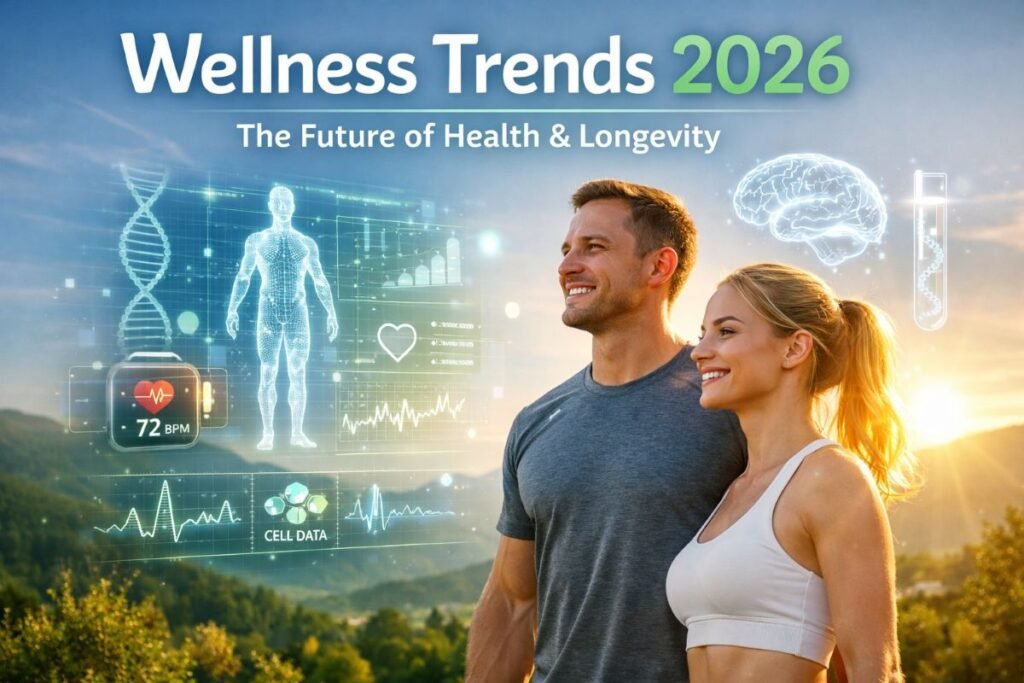
Imagine waking up to a simple alert about your health—before symptoms even begin. By 2026, we are moving beyond the “fix it when it breaks” approach into a smarter, proactive era of wellness. Backed by a rapidly growing $8.5 trillion industry, the focus is shifting toward better energy, focus, and long-term health. From London to New York, people are no longer settling for average—they want optimized living. This guide explores how AI, personalized data, and modern habits can help you take control of your health and thrive.
🧬 Biohacking 2.0: Moving from Gadgets to Biological Optimization
Biohacking is no longer a niche hobby for Silicon Valley techies; it is becoming a mainstream global lifestyle for busy professionals. We have moved past simply counting steps on plastic wristbands and are now entering the age of “internal biological monitoring.” This evolution is a cornerstone of the Wellness Trends 2026 movement, where we finally understand the micro-changes happening inside our blood chemistry in real-time. Instead of waiting for an annual check-up, we are now the CEOs of our own cellular health, using data to make minute-by-minute decisions.
My Experience: I personally tried tracking my glucose levels (CGM) for 14 days, and it was a revelation. I realized that my “healthy” mid-day oatmeal was actually causing a sugar spike that led to my 3 PM brain fog. Once I tweaked my breakfast based on my internal data— and healthy fats switching to high-protein—my energy stayed rock-solid all day. This kind of personalized insight is what makes the future so exciting.
The 2026 Biohacking Hierarchy
- Nutrigenomics: Designing a diet plan based on your unique DNA report. How your body processes fats, carbs, or caffeine will no longer be a mystery.
- Real-time CGM: Continuous Glucose Monitoring isn’t just for diabetics anymore. It is used by health enthusiasts wanting to manage energy crashes and chronic inflammation.
- Epigenetic Testing: Monitoring how your daily habits—stress, sleep, and food—may physically influence whether your genes are “on” or “off.”
The Reality: In the UK and USA, the craze for Nutrigenomics is exploding as people demand more than generic advice. According to a landmark study in the Journal of Personalized Medicine, those who follow a DNA-based diet stay significantly fitter and have a 40% higher compliance rate compared to generic plans. In 2026, “one size fits all” diets are officially dead, replaced by precision-engineered lifestyle protocols.
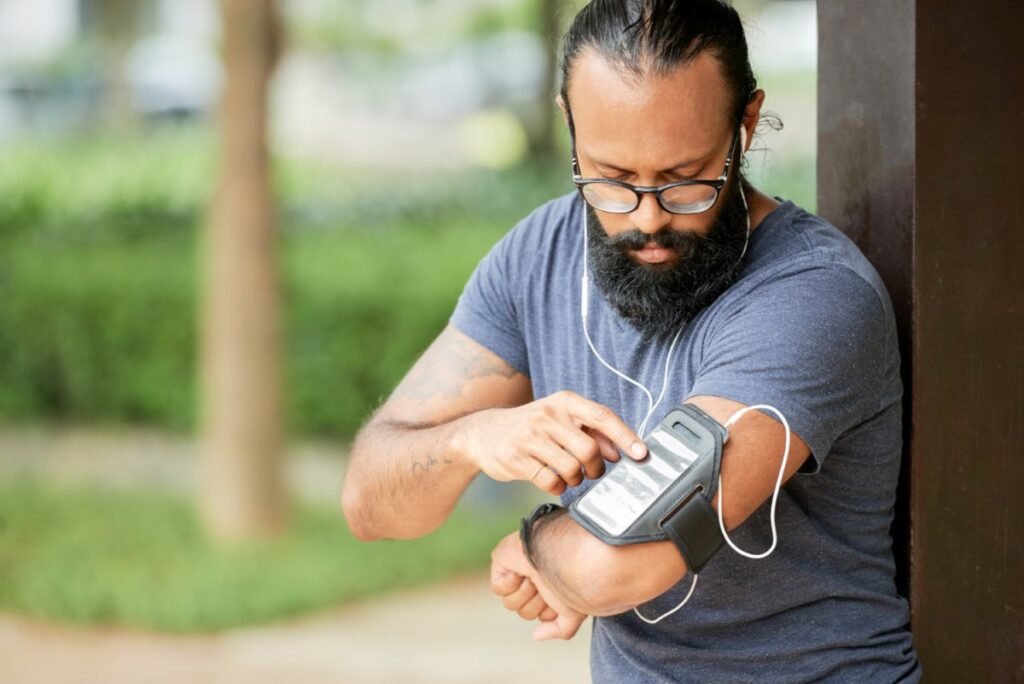
🤖 AI-Driven Personalization: Your Virtual Health Twin
What if you could “test-drive” a diet on a digital version of yourself before eating a single bite? This is the most revolutionary aspect of Wellness Trends 2026: the “Digital Twin.” This isn’t a hypothetical idea; researchers at Stanford Medicine are already using multi-omics data to create virtual models of patients to predict health outcomes with staggering accuracy. This technology bridges the gap between biological potential and real-world results by simulating thousands of scenarios in seconds.
AI analyzes your Heart Rate Variability (HRV), oxygen levels, sleep cycles, and blood markers to build a clone of your physiology. The benefit? Emerging evidence suggests you can see the potential impact of a new workout or a high-carb meal on your “digital twin” before you ever feel the physical consequences. This allows for a level of risk management that was previously impossible for the average person.
How Your ‘Digital Twin’ Functions Today:
- Data Sync: The system continuously pulls data from your smart devices (like the Oura Ring or Apple Watch) and clinical blood reports.
- Risk Simulation: Early AI models are now being refined to help predict early health signals or potential burnout up to 72 hours in advance.
- Proactive Alerts: The system avoids generic advice. If your stress levels are rising, it might instruct: “Skip today’s HIIT workout. Take 200mg of Magnesium instead; your nervous system is showing signs of reaching a breaking point.” This personalized coaching ensures you never push yourself into injury or illness.
❤️ Longevity Medicine: Improving Your 'Health Span'
Can we stop the clock? By 2026, aging is being treated as a “manageable condition” rather than an inevitable fate. The focus has shifted from “Life Span” (total years lived) to “Health Span” (years lived in peak, youthful fitness). This move toward life extension is one of the most discussed Wellness Trends 2026. The goal is no longer just to live to 90, but to feel like a 40-year-old when you get there. We are essentially compressing the period of “old age” into the smallest possible window.
Biological Age vs. Chronological Age
Metric | Chronological Age | Biological Age (Target) |
Measurement | Calendar Years | DNA Methylation (Cellular Health) |
Control | Fixed (Unchangeable) | Flexible (Optimized via lifestyle) |
2026 Goal | 70 Years Old | 40-45 Years ‘Young’ in function |
Expert Insight: Although “reversing aging” is a bold claim, Dr. David Sinclair (Harvard) demonstrated in the journal Cell that cellular reprogramming may restore youthful function. Elite clinics in London and NYC now use epigenetic clocks to tell clients exactly how fast their lifestyle is aging them at a molecular level. The goal of 2026 is the absolute “Mastery of Aging,” giving you the power to stay active and sharp well into your later decades.
🧠Mental Wealth: Cognitive Excellence & Neuro-Resilience
By 2026, a sharp, focused mind is a bigger status symbol than a six-pack. We are moving beyond basic “mindfulness” toward Cognitive Excellence. This shift is a key driver in Wellness Trends 2026, where we train our brains using Neuro-feedback and Cognitive Enhancement protocols to handle the digital noise. In a world of infinite distractions, the ability to focus deeply is the ultimate competitive advantage, both professionally and personally.
According to research from Johns Hopkins University, we can better manage our brainwaves through sound therapy and light, making it easier to enter a “Flow State” at will. Mental health is no longer just a “treatment” for those in distress; it is a “performance metric” for those who want to thrive. This has led to the rise of “Brain Gyms” where people train their focus just as they train their muscles.
Practical Application: In the UK, corporate offices are building “neuro-sanctuaries” where light, sound, and temperature are adjusted to help your brain recover from “Zoom fatigue.” People are using sensory deprivation pods to reset their brains from digital overload. Mental fitness in 2026 means having a mind that remains calm, creative, and fast even in the midst of global noise. We are finally treating our gray matter with the same respect as our heart and lungs.

🥗 Functional Nutrition: Beyond the Calorie
Forget the calorie labels. In 2026, we track “instructions,” not just numbers. We now focus on “Functional Nutrition,” where the gut microbiome is respected as your “second brain.” This deep metabolic understanding is reshaping the Wellness Trends 2026 dietary landscape. We have learned that a calorie of kale affects the body very differently than a calorie of corn syrup, but more importantly, how your gut bacteria reacts to that kale is the real secret to health.
The trend of “Pro-Metabolic” living is rising, focusing on thyroid health and cellular energy (ATP) production. This means we eat to fuel the “fire” of our metabolism, rather than starving it into a sluggish state. We are choosing nutrient density over volume.
- Mushroom Coffee: Lion’s Mane (for focus) and Cordyceps (for physical stamina) are now staples in healthy pantries.
- Adaptogens: Ashwagandha and Rhodiola are “micro-dosed” based on real-time stress levels measured by your smart ring.
- The ZOE Study (UK): Research has shown that two people eating the same apple can have completely different blood sugar responses. This is why nutrition in 2026 is personal. Your kitchen now functions like a pharmacy where every meal is designed for a specific biological outcome—whether it’s deep focus, gym recovery, or a night of perfect sleep.
🌿 Sustainable Health & Planetary Wellness
True health isn’t possible if the environment around us is unhealthy. In Wellness Trends 2026, the concept of “Planetary Wellness” is paramount. If our environment is full of pollutants, microplastics, and endocrine disruptors, we can never be fully fit regardless of our diet or exercise. This has led to a surge in “Clean Living” that extends beyond food to the air we breathe and the fabrics we wear.
- Eco-Gyms: Facilities that use the energy generated during your workout to power the building’s lights and systems.
- Plogging: The trend of picking up litter while jogging has gone viral across the UK and USA as a way to combine community service with cardio.
- Biophilic Design: Creating “indoor forests” at home using specific plant species to improve oxygen quality and humidity.
Research in Environmental Health Perspectives suggests this can reduce cortisol by up to 15%. “Green Exercise” (working out in nature) is proving to be far more effective than working out in a sterile room. People are realizing that by healing the planet, we are directly healing ourselves.

🌙The "Quiet" Movement: Micro-Dosing Silence
In an age of constant notification pings and digital chatter, silence is the new luxury “drug.” Wellness Trends 2026 has introduced “Micro-Dosing Silence” as a clinical tool for nervous system regulation. We have turned 10 minutes of daily sensory deprivation into a “performance move” to protect our brains from the constant dopamine drain of the modern world.
The Science of Silence: According to a study in Brain, Structure and Function, two hours of silence a day can support the development of new cells in the brain’s hippocampus. In 2026, people are using “Silent Walking” and high-tech pods to protect the brain from digital fatigue. Silence is no longer the absence of noise; it is a “vital nutrient” for the human brain to repair and reorganize itself. Without intentional quiet, our brains never leave a state of high-alert, leading to long-term cognitive decline.
⚖️ Metabolic Flexibility: The End of Carb-Phobia
In 2026, the obsession with “Keto” or “Low-Carb” is being replaced by Metabolic Flexibility. This is the ability of your body to switch seamlessly between burning sugar and burning fat for fuel based on availability. This dietary evolution is a vital pillar of the Wellness Trends 2026 philosophy, moving away from restrictive dieting toward metabolic mastery. A healthy body should be able to enjoy a pizza and then burn fat the next morning without skipping a beat.
Why it matters: Most people are “metabolically brittle”—they can only burn sugar. When their blood sugar drops, they crash, feel tired, and crave sweets. A metabolically flexible person can skip a meal without getting “hangry” because their body simply taps into stored fat.
- Strategy: Using timed carbohydrate intake around workouts and practicing intermittent fasting to “train” the mitochondria.
- The Result: Consistent energy throughout the day without the roller-coaster spikes and crashes. This is the ultimate tool for sustainable weight management and sustained mental energy.
✔️The "7-Day Bridge to 2026"
To truly adopt the Wellness Trends 2026 lifestyle, you need a structured plan. Use this 7-day reset to baseline your health and see where your biological gaps might be:
- Day 1: Baseline Testing. Get a DNA kit or a functional blood panel to find what your body actually needs. Stop guessing and start knowing.
- Day 2: Light alignment. Step into direct sunlight for 15 minutes soon after waking. This is the foundation of your circadian rhythm and hormonal health.
- Day 3: Digital Fast. Turn off all screens 2 hours before bed. Use blue-light blocking glasses to protect your natural melatonin production.
- Day 4: Metabolic Check. Check your Resting Heart Rate (RHR) every morning. A rising RHR is an early indicator that your body needs more recovery.
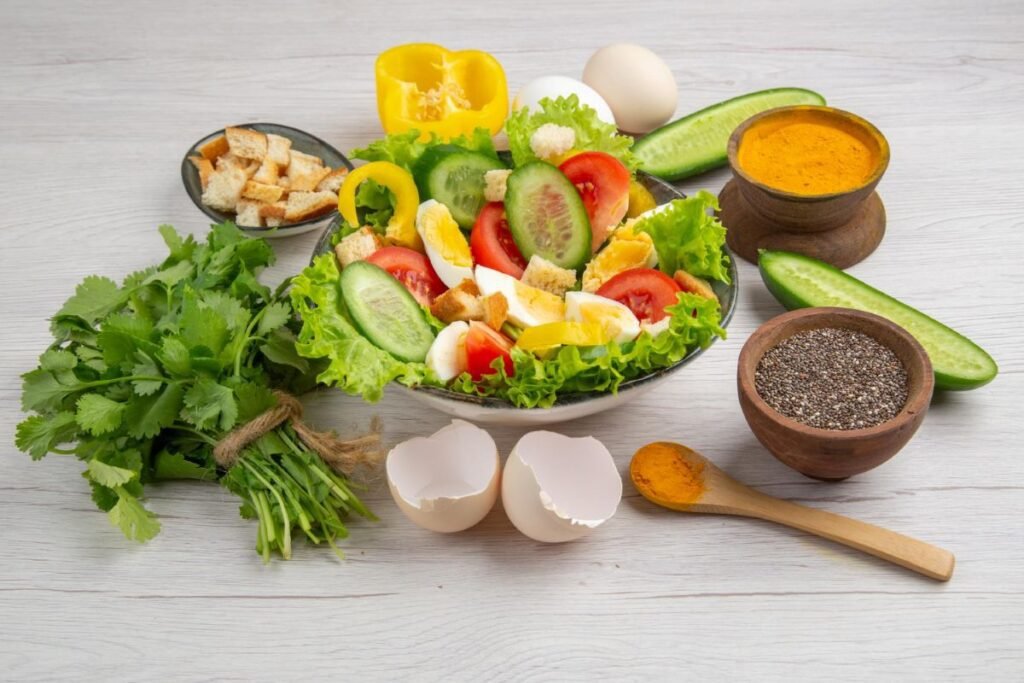
- Day 5: Microbiome Boost. Eat a fermented food (Kimchi, Sauerkraut, or Kefir) today. Your gut health is your first line of defense against stress.
- Day 6: Green Movement. Take a 30-minute walk in a park or forest. Nature is the most effective way to manage cortisol and blood pressure naturally.
- Day 7: Quiet time. Spend 10 minutes in complete silence. No music. No phone. Just repair.
❓ FAQ: Navigating the Future of Health
- Can biological age really be reduced? Yes. Preliminary research within the scope of Wellness Trends 2026 suggests that through lifestyle and targeted protocols (like cold plunges, fasting, and supplements), we can significantly slow and sometimes marginally reverse cellular aging markers.
- Will AI health coaching replace my doctor? No. Instead, it will become a tool to provide your doctor with hyper-accurate, personalized data for your care, making your consultations much more effective and data-driven.
- Is 2026 wellness very expensive? Not at all. While gadgets exist, the true pillars—sunlight, silence, nature, and whole foods—remain completely free or affordable. The future of health is about intentionality, not just high price tags.
🔬Scientific Sources & Research Backing
The data behind Wellness Trends 2026 is anchored in peer-reviewed science from leading global institutions:
- Nutrigenomics & Dietary Compliance – Journal of Personalized Medicine.
- Cellular Reprogramming & Longevity – Cell (Harvard Research by Dr. David Sinclair).
- Personalized Nutrition & Blood Sugar – Nature Medicine (The ZOE Health Study).
- Green Exercise & Environmental Impact – Environmental Health Perspectives.
- Silence & Brain Neurogenesis – Brain, Structure and Function.
🚀Conclusion
Wellness Trends 2026 teach us that health is not a destination we reach; it is a continuous process of optimization. When we combine cutting-edge science with the ancient wisdom of nature, we don’t just survive the modern world—we thrive in it. The future is not hidden in a miracle capsule. It is found in the precision of your daily habits and the data you use to guide them. Start with just one habit today. The best time to start was ten years ago; the second best time is right now.

✍️ About the Author
Dambar R. is a dedicated wellness researcher and the visionary founder of MyHealthyLifeUK. With over a decade of hands-on experience in metabolic science and practical nutrition, he specializes in creating sustainable health transformations for modern lifestyles.
Based on his extensive research, Dambar empowers individuals across the UK and USA to reach their peak fitness goals through science-backed health tips without sacrificing the joy of everyday eating. His mission is to bridge the gap between complex health data and actionable habits that foster long-term vitality and holistic wellness.
⚠️ Medical Disclaimer
The information provided on MyHealthyLifeUK is for educational and informational purposes only. It is not intended to be a substitute for professional medical advice, diagnosis, or treatment.
- Professional Guidance: Always seek the advice of your Physician (GP) or another qualified health provider regarding any medical condition.
- Specialized Advice: For personalized dietary needs, we recommend consulting a Registered Dietitian.
- Safety First: Consult a professional before starting any new fitness or nutrition program.
Never disregard professional medical advice or delay seeking it because of something you have read on this website.