
🌱 Getting Started

In the fast-paced modern world, we often focus on what we look like on the outside, but the real secret to health lies deep within our digestive tract. This gut health guide for beginners is designed to simplify the complex science of the microbiome. Your gut is responsible for much more than just breaking down food; it is a central hub for your immune system, your mood, and your metabolic health. By learning how to nurture this internal ecosystem, you can stop fighting symptoms like bloating and fatigue and start addressing the root cause of your wellness.
Overview
The American wellness landscape in 2026 has officially entered the “Age of the Microbiome.” From New York to California, people are realizing that a balanced gut is the foundation of a balanced life. However, with so much conflicting information online, it’s easy for a beginner to feel overwhelmed. This gut health guide for beginners strips away the fluff and focuses on actionable, science-backed strategies. We will explore how to fuel your beneficial bacteria, identify hidden “gut-killers” in your environment, and create a sustainable routine that transforms your health from the inside out.
1: The Science of the Microbiome: Why Your Gut is Your "Second Brain"
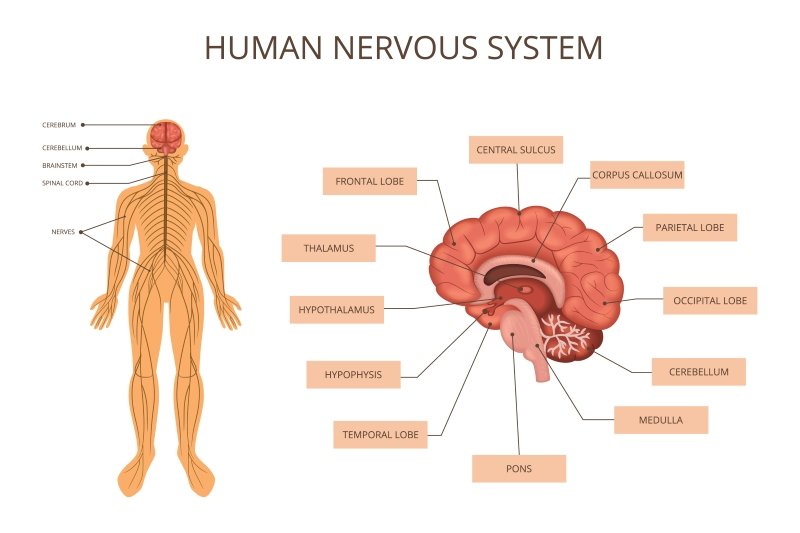
Modern science has revealed that your gut and brain are in a constant, 24-hour conversation through the Vagus nerve. This is often called the “Gut-Brain Axis.” To follow a gut health guide for beginners effectively, you must realize that your gut produces about 95% of your body’s serotonin—the hormone responsible for your mood and happiness. When your gut bacteria are out of balance, it doesn’t just cause stomach pain; it can lead to brain fog, anxiety, and even intense sugar cravings.
Inside your digestive system lives a complex community of microorganisms—such as bacteria, fungi, and viruses—that play a vital role in maintaining overall health. A healthy gut is defined by “diversity”—having many different types of beneficial microbes. In the US, our diet of highly processed foods has significantly reduced this diversity, leading to systemic inflammation. By focusing on rebuilding this bacterial community, you are essentially fine-tuning your body’s internal operating system. This biological partnership is why healing your gut is often the “missing piece” in weight loss and mental health journeys.
2: Signs of an Unhealthy Gut: Red Flags You Should Never Ignore
Many Americans dismiss digestive issues as a “normal” part of aging or stress, but your body is always talking to you. A true gut health guide for beginners must help you identify the signals of an imbalanced microbiome (dysbiosis). If you experience these symptoms regularly, it is a sign that your internal ecosystem is struggling to stay afloat.
- Chronic Bloating: Feeling like you’ve swallowed a balloon after every meal.
- Skin Irritations: Eczema, rosacea, and adult acne are often “external” signs of internal inflammation.
- Autoimmune Flare-ups: A compromised gut lining (leaky gut) can cause the immune system to attack healthy tissue.
- Sleep Disturbances: Since the gut produces melatonin precursors, poor gut health often leads to insomnia or restless nights.
By recognizing these signs early, you can take a proactive approach to your health. In 2026, we have moved past just “managing” pain; we are now focused on restoring the gut’s integrity so these symptoms disappear naturally over time.
3: Prebiotics vs. Probiotics: The "Fuel and the Fleet" Strategy
To build a resilient microbiome, you need a two-pronged approach. In any gut health guide for beginners, we categorize these as Prebiotics and Probiotics. Think of Probiotics as the beneficial “fleet” of live bacteria you introduce into your system, while Prebiotics are the specialized plant fibers that act as “fuel” to feed them.
| Category | Function | USA Grocery Staples |
|---|---|---|
| Probiotics | Introduces live good bacteria. | Greek Yogurt, Kombucha, Kimchi, Kefir. |
| Prebiotics | Feeds existing good bacteria. | Garlic, Onions, Bananas, Asparagus, Oats. |
| Polyphenols | Protects the gut lining. | Blueberries, Green Tea, Dark Chocolate. |
The mistake most beginners make is taking expensive probiotic supplements while eating a low-fiber diet. Without prebiotics (fiber), the probiotics cannot survive or colonize your gut. For the best results, aim for a “Food First” strategy by sourcing these from local American supermarkets like Costco or Trader Joe’s, ensuring you get a wide variety of bacterial strains naturally.
4: Why High-Fiber Foods are the Secret to Long-Term Gut Resilience
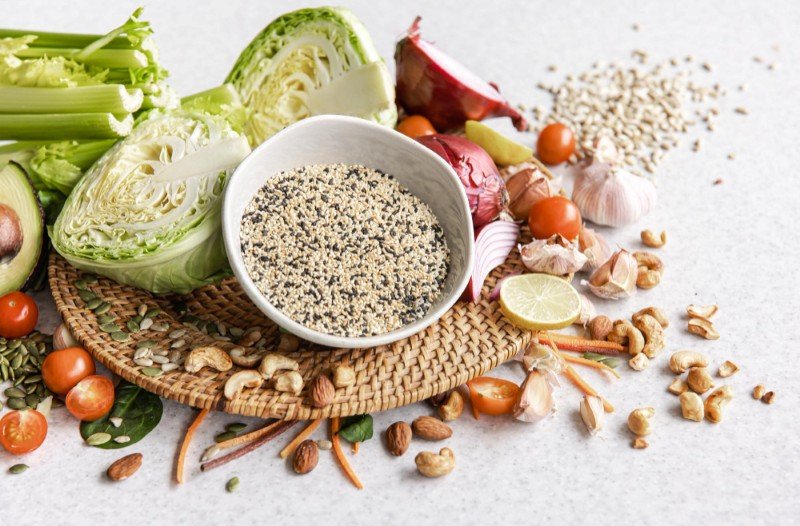
Fiber is the single most important nutrient for a thriving gut. While the average American consumes only about 15 grams of fiber per day, the target for a healthy microbiome should be closer to 30-35 grams. In this gut health guide for beginners, we emphasize “diversity of fiber.” Different bacteria eat different types of fiber, so the more variety you eat, the more diverse your microbiome becomes.
When your bacteria ferment fiber, they produce “Short-Chain Fatty Acids” (SCFAs) like butyrate. These SCFAs are the primary energy source for the cells lining your colon and play a massive role in reducing inflammation throughout your entire body. By filling your plate with colorful vegetables, legumes, and whole grains, you are literally “cultivating” a garden of health inside you. This prevents the thinning of the gut’s protective mucus layer, which is the first line of defense against “Leaky Gut Syndrome.”
5: Environmental Disruptors: Avoiding the "Gut Killers" in Modern Life
Even the best diet can be sabotaged by environmental factors. A comprehensive gut health guide for beginners must address the things that kill your good bacteria. In the US, our obsession with “antibacterial” everything has actually harmed our internal health.
- Artificial Sweeteners: Aspartame and sucralose, common in “diet” sodas, can negatively alter your microbiome within weeks.
- Chlorinated Water: While safe to drink, tap water chlorine can have a mild antibiotic effect on your gut over time.
- Chronic Stress: High cortisol levels “leak” the gut lining and kill off beneficial Bifidobacteria.
- Conventional Meat: Trace antibiotics used in factory-farmed livestock can disrupt your internal balance.
To protect your gut, consider investing in a water filter and choosing “Certified Organic” or pasture-raised meats when possible. Small changes in your environment can lead to massive improvements in your bacterial diversity.
6: The "5-R" Framework for Gut Healing
If you are serious about your journey, follow this professional “5-R” protocol used by functional medicine experts in the US:
- Remove: Eliminate inflammatory foods, parasites, and stressors.
- Replace: Add back digestive enzymes or HCL if your digestion is sluggish.
- Reinnoculate: Introduce high-quality probiotics and fermented foods.
- Repair: Use nutrients like L-glutamine, zinc, and collagen to heal the gut lining.
- Rebalance: Address lifestyle factors like sleep and stress to maintain your results.
Using this structured approach ensures you aren’t just “guessing” but are following a proven path to a healthy microbiome.
📋7 . The Bio-Individual Approach: Why One Size Doesn’t Fit All
One of the most frequent mistakes novices make is blindly adopting a generic diet plan found online. A core, high-level principle of The Ultimate Gut Health Guide for Beginners is that every person’s microbiome is as unique as their DNA. What acts as a “superfood” for one person might be the direct trigger for severe bloating or digestive distress in another. In the United States, while raw kale smoothies are a major health trend, someone with a compromised gut lining may find raw cruciferous vegetables nearly impossible to break down initially.
The Solution: You must adopt a strategy of “Elimination and Controlled Reintroduction.” Begin by removing inflammatory triggers like refined sugars and industrial seed oils for at least 14 days to observe your baseline reaction. Following this, slowly reintroduce fermented foods one at a time. This personalized method allows you to identify exactly which bacterial strains and fiber types your specific body requires to flourish. Remember, gut healing is a marathon of discovery, not a sprint toward a generic goal.
⚠️ 8. The Silent Disruptors: Non-Food Factors That Ruin Your Gut
You can consume the highest quality organic produce in the world, but if your daily lifestyle is “gut-toxic,” you will never achieve optimal results. To make The Ultimate Gut Health Guide for Beginners truly effective, we must address the stressors that exist outside of your kitchen. The American “Hustle Culture” keeps many in a state of chronic stress, which physically thins the protective mucus layer of the intestines, leading to systemic inflammation.
Gut-Killer Checklist:
- Sleep Deprivation: Getting less than seven hours of sleep decimates the diversity of your beneficial bacteria.
- Blue Light Overexposure: Excessive late-night screen time disrupts the gut’s natural circadian rhythm.
- Sedentary Behavior: Without daily physical movement, the “migrating motor complex” (the gut’s internal cleaning cycle) fails to function.
By actively managing these non-food factors, you create a stable, protected environment where your microbiome can finally colonize and support your long-term health.

🚀 9. The 30-Day Gut Transformation: How to Track Real Progress
Beginners frequently ask, “How will I know if my internal ecosystem is actually shifting?” This final phase of The Ultimate Gut Health Guide for Beginners focuses on tracking progress through biological markers rather than just the number on a scale. While weight loss is a natural byproduct of a healthy gut, the real indicators of success are reflected in your daily energy levels and digestive consistency. Functional medicine experts often suggest using the “Bristol Stool Chart” to monitor your improvements objectively.
Signs of Real Success:
- Reduced Food Reactivity: Ingredients that previously caused gas or lethargy will begin to feel much easier to process.
- Stable Energy Curves: You will notice the disappearance of the “afternoon slump” and the desperate need for sugar.
- Skin and Clarity: As internal inflammation subsides, adult acne, rosacea, and “brain fog” often clear up naturally.
Be patient during this 30-day window. It takes time for new bacterial colonies to stabilize. Once your gut foundation is strong, your immune system and mood will begin to function at an elite, peak-performance level.
Final Thought
Healing your gut is not an overnight fix; it is a lifestyle of consistency. This gut health guide for beginners is your starting point toward a version of yourself that is more energetic, focused, and resilient. Respect your microbes, and they will take care of you.
Start your journey today by adding one serving of fiber or a fermented food to your next meal. Small steps lead to big shifts.

FAQ
- Can I heal my gut while still drinking coffee?
Yes, but keep it black or use a splash of unsweetened almond milk. High-sugar creamers can feed “bad” bacteria and cause inflammation.
- Are gut health supplements necessary?
While they can help, this gut health guide for beginners prioritizes “whole foods” first. Supplements should be used to support a healthy diet, not replace it.
- Is “Leaky Gut” a real medical condition?
Yes, it is medically known as “increased intestinal permeability,” where the tight junctions of your gut wall loosen, allowing toxins into your bloodstream.
- How do I know if a probiotic is working?
You will notice less bloating, more regular bowel movements, and improved skin clarity within 2–4 weeks.
- Does exercise affect my gut?
Absolutely. Physical activity increases the production of beneficial bacteria that produce butyrate, which protects against colon cancer and inflammation.
✍️ About the Author
Dambar R. is a dedicated wellness researcher and the visionary founder of MyHealthyLifeUK. With over a decade of hands-on experience in metabolic science and practical nutrition, he specializes in creating sustainable health transformations for modern lifestyles.
Based on his extensive research, Dambar empowers individuals across the UK and USA to reach their peak fitness goals through science-backed health tips without sacrificing the joy of everyday eating. His mission is to bridge the gap between complex health data and actionable habits that foster long-term vitality and holistic wellness.
⚠️ Medical Disclaimer
The information provided on MyHealthyLifeUK is for educational and informational purposes only. It is not intended to be a substitute for professional medical advice, diagnosis, or treatment.
- Professional Guidance: Always seek the advice of your Physician (GP) or another qualified health provider regarding any medical condition.
- Specialized Advice: For personalized dietary needs, we recommend consulting a Registered Dietitian.
- Safety First: Consult a professional before starting any new fitness or nutrition program.
Never disregard professional medical advice or delay seeking it because of something you have read on this website.