
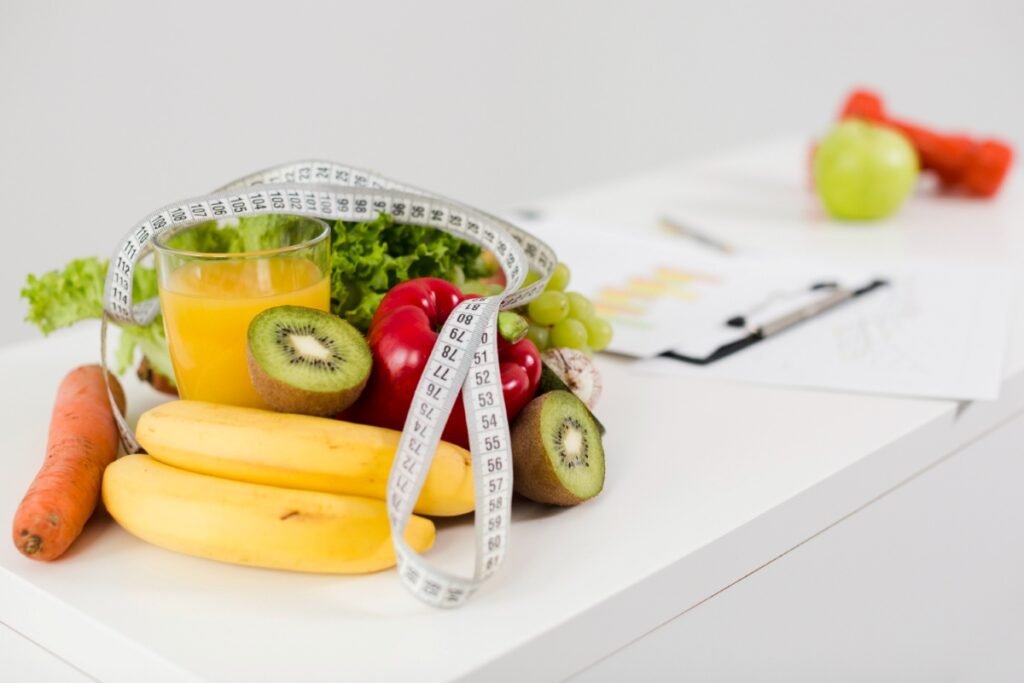
Losing weight quickly can feel challenging, but a structured plan makes it achievable. This 7 day plan to weight lose guides you to drop unwanted weight safely while providing your body with the essential nutrients it needs to stay healthy and energized . By following a balanced mix of nutritious meals, light exercise, and proper hydration, you can jumpstart your weight loss journey effectively. This guide provides a day-by-day roadmap, practical tips, and realistic expectations to ensure you stay motivated and healthy throughout the week.
Overview of the 7 Day Weight Loss Diet Plan
The 7 day weight loss diet plan is a carefully structured approach to help you achieve quick and safe results. By combining balanced meals, proper hydration, and light exercise, this plan focuses on creating a mild calorie deficit while ensuring your body gets essential nutrients. Short-term fat loss works by encouraging your body to burn stored fat efficiently without compromising muscle mass. Following this plan requires consistency and mindful eating, along with moderate physical activity. With a clear day-by-day structure, practical tips, and realistic expectations, the plan empowers you to jumpstart your weight loss journey safely and maintain a healthier lifestyle beyond the seven days.
7 Day Diet Chart
Day Breakfast Mid-Morning Snack Lunch Evening Snack Dinner
1 Oats porridge with fruits Green tea + almonds Grilled chicken / paneer + salad + brown rice Apple / walnuts Vegetable soup + steamed veggies
2 Smoothie with spinach, banana, and yogurt Handful of nuts Lentil soup + quinoa / roti + vegetables Carrot sticks Grilled fish / tofu + steamed broccoli
3 Poha with peas & veggies Buttermilk or herbal tea Chicken salad / chickpea salad + multigrain bread Fruit bowl Light vegetable stir-fry + soup
4 Greek yogurt with berries Handful of seeds Grilled fish / paneer + brown rice + salad Green tea + fruit Vegetable soup + quinoa
5 Moong dal cheela / oats pancakes Apple slices Lentil curry + roti + salad Nuts & seeds mix Steamed veggies + tofu stir-fry
6 Smoothie bowl with oats & nuts Herbal tea Chicken / paneer wrap + veggies Carrot & cucumber sticks Vegetable soup + grilled fish / paneer
7 Upma with vegetables Handful of almonds Quinoa salad / mixed vegetable salad Fruit + green tea Light soup + steamed vegetables
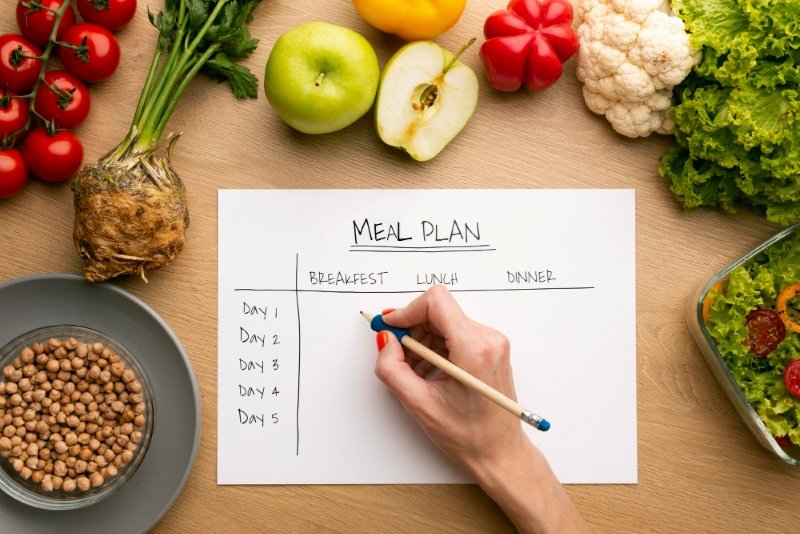
 Tips & Guidelines for Maximum Results
 Tips & Guidelines for Maximum Results
Achieving weight loss results requires more than just following a diet. The 7 day weight loss diet plan works best when paired with consistent lifestyle habits that support metabolism and overall wellness. Proper hydration, sufficient sleep, and moderate daily exercise can accelerate fat burning while keeping energy levels steady. Mindful eating and avoiding processed or sugary foods ensures that your body receives essential nutrients. Implementing small yet powerful daily habits can boost motivation and make your weight loss journey sustainable. These simple strategies complement your diet chart and maximize results safely, helping you achieve noticeable changes within a week while maintaining long-term health.
- 💧 Drink 8–10 glasses of water daily – Boost metabolism and flush out toxins
- 🥗 Eat whole, unprocessed foods – Enhance digestion and reduce bloating
- 🏃♂️ Moderate exercise daily – Melt calories and tone muscles naturally
- 🛌 Prioritize 7–8 hours of sleep – Support fat loss and recovery
- ✨ Track meals and habits – Improve accountability and speed up results
- 🥬 Include fiber-rich snacks – Cut down cravings and stabilize blood sugar
Supporting paragraph: Following these tips ensures your body responds efficiently to the 7-day weight loss diet plan, making the process healthier and sustainable. Healthy habits improve the effectiveness of daily nutrition and metabolism. Following mindful eating tips for women helps control portions naturally and supports better consistency while maintaining a 7 Day Weight Loss Diet Plan.
Exercise & Activity Recommendations
 Exercise & Activity Recommendations
Incorporating the right exercises alongside your diet is crucial for maximizing fat loss and maintaining muscle tone. The 7 day weight loss diet plan becomes far more effective when paired with light cardio, strength training, and simple home workouts. Even short daily routines can significantly boost metabolism and accelerate calorie burning. Mindful movement also improves flexibility, energy levels, and overall health. Consistency is key, and avoiding overexertion ensures that your body burns fat safely without compromising muscle mass. Combining structured activity with a healthy diet helps achieve visible results while promoting long-term wellness.
- 🏃♀️ Light Cardio – Melt calories efficiently and improve heart health
- 🏋️ Strength Training – Enhance muscle tone and prevent muscle loss
- 🧘 Yoga & Stretching – Reduce stress and boost metabolism naturally
- 🚶♂️ Short Walks – Cut down sedentary time and increase daily activity
- ⏱️ 15–20 Minute Home Workouts – Speed up fat burn without gym
- 🔄 Consistent Routine – Improve results and maintain long-term fitness
Supporting paragraph: Following these exercise recommendations ensures your 7-day weight loss diet plan delivers optimal results while keeping your body strong and energized. Daily movement supports metabolism and improves overall fitness during a fat-loss routine. Simple activities like light workouts for women daily can strengthen results and make the 7 Day Weight Loss Diet Plan more effective.

Common Mistakes to Avoid During 7-Day Diet
 Common Mistakes to Avoid During 7-Day Diet
Following the 7 day weight loss diet plan can deliver excellent results, but many people unintentionally make mistakes that slow progress or harm their health. Skipping meals, overdoing exercise, or relying on crash diets can cause fatigue, nutrient deficiency, and even muscle loss. Mindful execution of the plan ensures your body burns fat safely and stays energized. Avoiding shortcuts and maintaining consistency is key. Understanding common pitfalls helps you stay on track and achieve sustainable results while keeping your metabolism active.
- ❌ Skipping Meals – Reduce energy and slow metabolism
- 🏋️ Overdoing Exercise – Risk injury and burn out
- ⚡ Crash Diets – Cause nutrient deficiencies and rebound weight gain
- 🍬 Sugary Snacks – Cut down cravings and stabilize blood sugar
- ⏳ Ignoring Rest – Improve recovery and enhance fat loss
Supporting paragraph: Staying aware of these mistakes ensures your 7-day weight loss diet plan works efficiently and safely. Many people experience slow progress due to hidden metabolic factors and poor habits. Understanding causes of slow metabolism helps avoid setbacks while following a 7 Day Weight Loss Diet Plan effectively.
Overview / Summary of Week
 Overview / Summary of Week
The 7 day weight loss diet plan offers a structured approach to kickstart your weight loss journey safely and effectively. By following the day-wise diet, exercising moderately, and staying consistent with healthy habits, you can expect noticeable changes in energy, reduced bloating, and mild fat loss. It is important to set realistic expectations—while some may see up to weight loss, others may achieve 2–3kg depending on metabolism and lifestyle. The key is consistency, mindful eating, and maintaining hydration. Reflecting on your progress helps you stay motivated and make long-term lifestyle changes beyond this week.
- 🎯 Set Realistic Goals – Track progress and avoid frustration
- 🥗 Follow Balanced Meals – Boost metabolism and maintain nutrients
- 💦 Stay Hydrated – Enhance fat burning and support digestion
- 🏃 Maintain Light Activity – Melt calories and improve energy
- ✨ Stay Consistent – Improve results and build sustainable habits
Supporting paragraph: Reviewing the week ensures your 7 day weight loss diet plan is effective and sets the foundation for healthy, long-term results. Consistent healthy habits improve results and support gradual fat reduction. Insights from healthy weight management guidance also emphasize balanced nutrition and activity, making a 7 Day Weight Loss Diet Plan safer and more sustainable for beginners.
Visuals / Infographics
 Visuals / Infographics
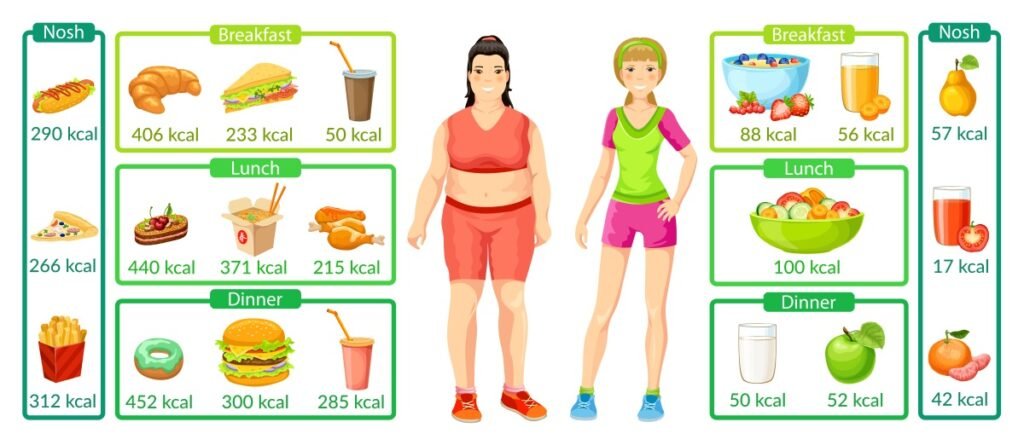
Visual content enhances understanding and keeps readers engaged while following the 7 day weight loss diet plan. Graphical representations of meal charts, portion sizes, and weekly progress make the diet easier to follow. Infographics simplify complex information, showing how calories, nutrients, and food portions work together for effective fat loss. Visual aids also motivate users by providing a clear view of daily goals, portion control, and results. Including before-after illustrations or charts can help track changes, boosting confidence and accountability.
- 📊 Diet Chart Graphic – Boost comprehension of day-wise meals
- 🥗 Portion Size Visuals – Reduce confusion and ensure balanced intake
- 🔄 Progress Tracker – Enhance motivation by showing weekly results
- ✨ Before-After Images – Improve engagement and inspire readers
- 📌 Nutrient Infographics – Speed up understanding of calorie and nutrient balance
Supporting paragraph: Using visuals ensures your 7 day weight loss diet plan content is easy to follow, engaging, and more likely to deliver real results. Clear visuals and simple charts help readers understand meal portions, progress, and daily goals more effectively. Using visual guides regularly can improve consistency and make healthy eating routines easier to follow.
Healthy Snack & Drink Options
 Healthy Snack & Drink Options
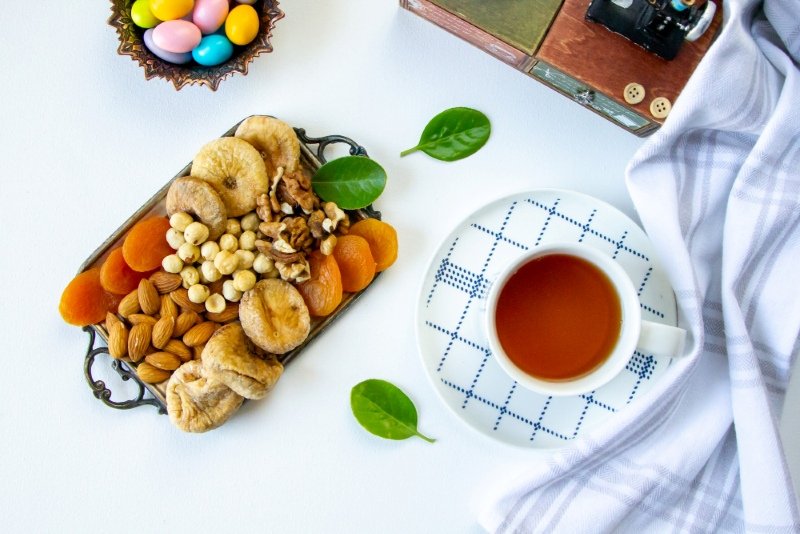
Healthy snacks and drinks play a key role in supporting the 7 day weight loss diet plan. Smart snack choices prevent overeating, curb cravings, and provide essential nutrients without extra calories. Hydrating with natural beverages boosts metabolism, improves digestion, and maintains energy throughout the day. Replacing sugary drinks with herbal teas, infused water, or low-fat options keeps your body nourished while enhancing fat-burning. Simple, nutritious snacks between meals help you stay on track and make the diet plan easier to follow.
- 🥜 Nuts & Seeds – Boost energy and reduce cravings
- 🥤 Herbal Teas – Enhance metabolism and aid digestion
- 🍓 Fresh Fruits – Cut sugar cravings and add fiber
- 🥒 Veggie Sticks – Improve satiety and provide vitamins
- 💧 Infused Water – Speed up hydration and flush toxins
Supporting paragraph: Including these options ensures your 7 day weight loss diet plan is effective, enjoyable, and sustainable.
Choosing nutritious snacks and refreshing drinks during the day helps control cravings and maintain steady energy levels. Adding balanced snack options to your routine can make healthy eating more enjoyable and sustainable.
Lifestyle & Mindset Tips
 Lifestyle & Mindset Tips
A healthy mindset and positive lifestyle habits are essential to maximize the 7 day weight loss diet plan results. Staying motivated, managing stress, and maintaining consistent routines help your body respond efficiently to the diet. Paying close attention to your meals helps control portion sizes and supports smoother digestion naturally. . Small daily habits like proper sleep, hydration, and movement enhance metabolism and overall wellness. Adopting a growth mindset ensures that weight loss is sustainable beyond just seven days. Focusing on long-term health, rather than shortcuts, helps build confidence and encourages lifestyle changes that last.
- 🛌 Prioritize Sleep – Boost recovery and support fat loss
- 💧 Stay Hydrated – Enhance metabolism and reduce bloating
- 🧘 Practice Mindfulness – Cut stress and improve focus
- ✨ Track Progress – Improve motivation and accountability
- 🚶 Include Light Activity – Speed up calorie burn and energy levels
Supporting paragraph: Following these lifestyle and mindset tips ensures your 7 day weight loss diet plan works efficiently while keeping your body and mind healthy. A positive mindset and small daily habits play a powerful role in long-term wellness. Staying consistent with healthy routines, proper rest, and mindful choices can gradually support better health and lifestyle improvements.
Conclusion
 Conclusion
Following a structured 7 day weight loss diet plan can help you develop healthier eating habits and improve overall wellness. Focus on balanced nutrition, regular activity, and proper hydration to achieve sustainable results.

❓ FAQ
Q1: Can I lose weight safely in 7 days?
A: Yes, you may notice some weight loss in a week if you follow a balanced diet, drink enough water, and stay active with light daily exercise.
Q2: Can vegetarians follow this diet plan?
A: Yes, vegetarians can easily follow the plan by choosing protein sources like paneer, tofu, lentils, beans, and nuts to maintain balanced nutrition.
Q3: Is exercise necessary for better results?
A: Exercise is not strictly required, but light activities like walking, stretching, or short workouts can improve metabolism and help your body burn calories more effectively.
Q4: What should I do if I miss a meal?
A: If you miss a meal occasionally, simply continue with the next planned meal. Try not to skip meals frequently to maintain energy and stable metabolism.
Q5: Can I repeat this diet plan for several weeks?
A: You can repeat the plan occasionally, but it is best to add food variety and maintain balanced nutrition for long-term health and sustainable weight management.
✍️ About the Author
Dambar R. is a dedicated wellness researcher and the visionary founder of MyHealthyLifeUK. With over a decade of hands-on experience in metabolic science and practical nutrition, he specializes in creating sustainable health transformations for modern lifestyles.
Based on his extensive research, Dambar empowers individuals across the UK and USA to reach their peak fitness goals through science-backed health tips without sacrificing the joy of everyday eating. His mission is to bridge the gap between complex health data and actionable habits that foster long-term vitality and holistic wellness.
⚠️ Medical Disclaimer
The information provided on MyHealthyLifeUK is for educational and informational purposes only. It is not intended to be a substitute for professional medical advice, diagnosis, or treatment.
- Professional Guidance: Always seek the advice of your Physician (GP) or another qualified health provider regarding any medical condition.
- Specialized Advice: For personalized dietary needs, we recommend consulting a Registered Dietitian.
- Safety First: Consult a professional before starting any new fitness or nutrition program.
Never disregard professional medical advice or delay seeking it because of something you have read on this website.